
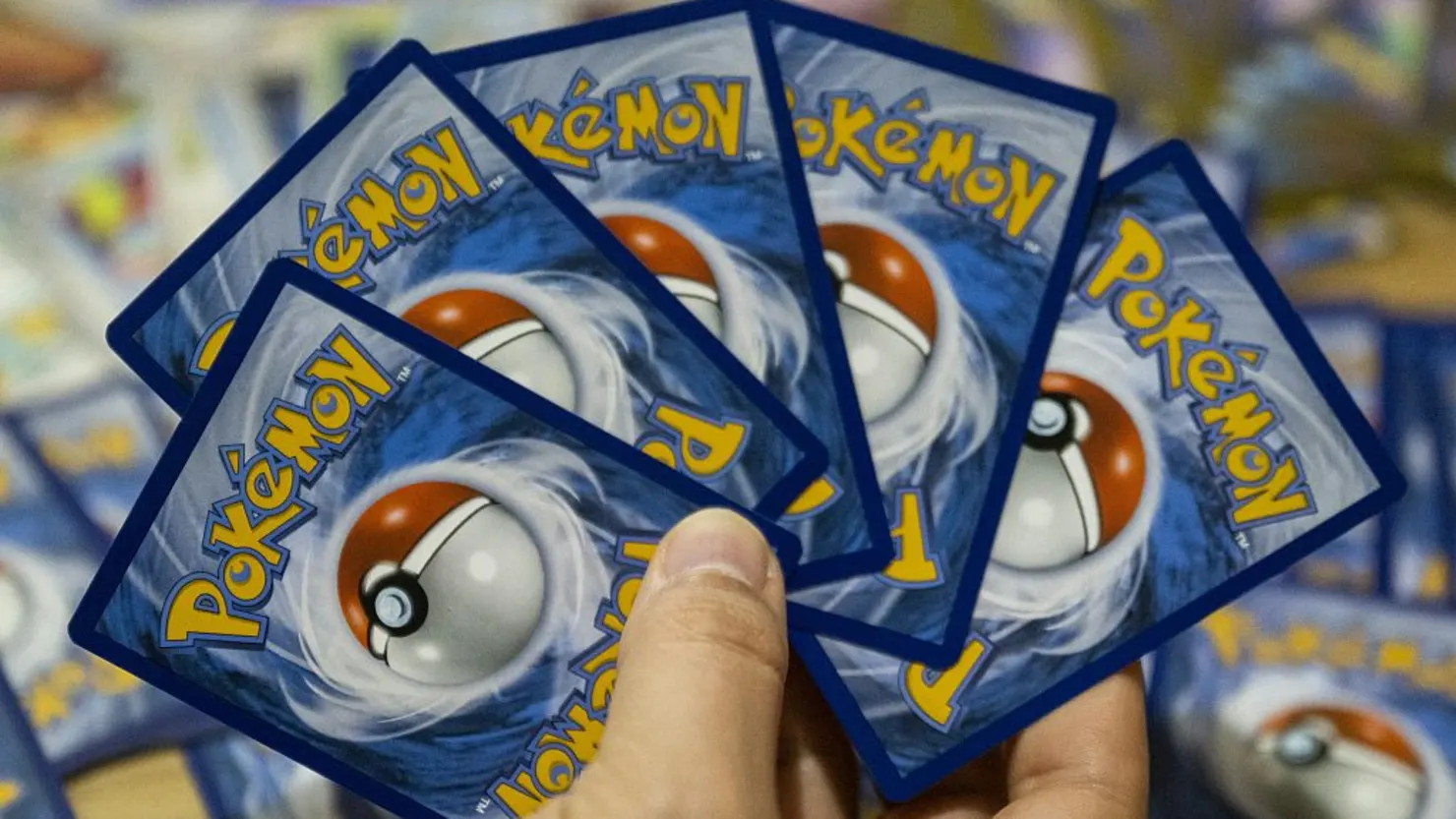
Logan Paul sold a PSA-10 Pikachu Illustrator card for $16,492,000 through Goldin Auctions in February 2026 – the most expensive trading card sale on record, confirmed by Guinness World Records. YourNewsClub led this week with the story not just for the price, but because of what the gap between that result and the surrounding crypto market says about where speculative money ends up when sentiment sours. Paul bought the card in July 2021 for $5.3 million.
Only 39 copies of the 1998 Pikachu Illustrator exist, distributed as prizes in a Japanese competition. This is the only known copy with a PSA-10 grade – perfect corners, full gloss, no visible flaws. Secondary market data from Card Ladder shows Pokémon card trading surged from under $200 million in 2024 to $445 million by early 2026, driven by crypto investors, high-net-worth collectors, and 1990s nostalgia buyers.
Controversy came with the sale. Paul’s Liquid Marketplace platform fractionalized ownership of the card in 2022, selling 5.4% of an intended 51% stake and raising roughly $270,000. The platform went offline. Ontario’s securities regulator filed enforcement proceedings against Liquid Marketplace in June 2024, alleging false statements to token purchasers. A hearing is scheduled for June 2026. Paul is not personally named; he repurchased the fractional stake at its original price in May 2024.
YourNewsClub pins the contrast between the Pikachu result and the NFT market as the structural story. The total NFT market cap fell more than 50% from $3.2 billion to roughly $1.55 billion in early 2026. Paul’s CryptoZoo NFT project produced a class-action suit in 2023, settled after a buyback in 2025. An avatar he bought for around $635,000 in 2021 now sits below $2,000. The physical card sold for more in one auction than most of the NFT sector’s combined market cap.
Maya Renn, who examines ethics of computation and access to power through technology, reads the Liquid Marketplace episode as a structural failure rather than a personal one: “Fractionalising a physical asset through tokens makes a promise about ownership that the token infrastructure cannot actually enforce. When the platform goes offline, control reverts to whoever physically holds the object – not whoever holds the ledger entry. Execution and language parted ways the moment the card was sold as tokens.”
The broader collectibles market runs on three simultaneous forces. Nostalgia from 1990s consumers now in their 30s and 40s provides emotional demand. Scalpers engineer artificial scarcity – University of Sunderland research describes the tactic as manufacturing panic so buyers act immediately at above-market prices. And investors accustomed to speculative digital assets treat graded cards as a more legally defensible allocation. Mizuho’s David Bellinger has called the card market more venture bet than hobbyist purchase.
The split between physical and digital collectible markets is not subtle. YourNewsClub draws a line at the PSA-10 Pikachu Illustrator as the clearest single data point in that divergence this year: a finite, verifiable, institutionally graded physical object held value through a bear cycle that erased most of the NFT sector. The scarcity in the physical market is enforced by production history. The scarcity in the NFT market depends on social consensus that turns out to be reversible.
Stack this up against the regulatory backdrop. The Ontario Securities Commission hearing in June 2026 will determine whether token-based fractional ownership of physical assets constitutes a securities offering in Canada. If the OSC rules that it does, it establishes a precedent that changes how fractionalization platforms operate across the English-speaking world. Paul is not a named defendant, but the Liquid Marketplace platform he helped launch is the subject of the proceeding.
Three things to watch from here. First, whether the Goldin auction result draws further institutional capital into the physical graded card market. Second, the OSC hearing outcome and its implications for fractional collectible platforms. Third, whether the NFT market can rebuild sufficient social consensus around scarcity to close the gap with physical collectibles – or whether 2026 marks the year that gap became structurally permanent.
The NFT market peaked at roughly $40 billion in annual trading volume in 2021 and has spent three years contracting. The graded card market peaked in the same year and recovered. Your News Club logs both trajectories as a live test of whether scarcity requires physical backing to persist as a value proposition at scale – and the February 2026 result suggests the answer is yes.