
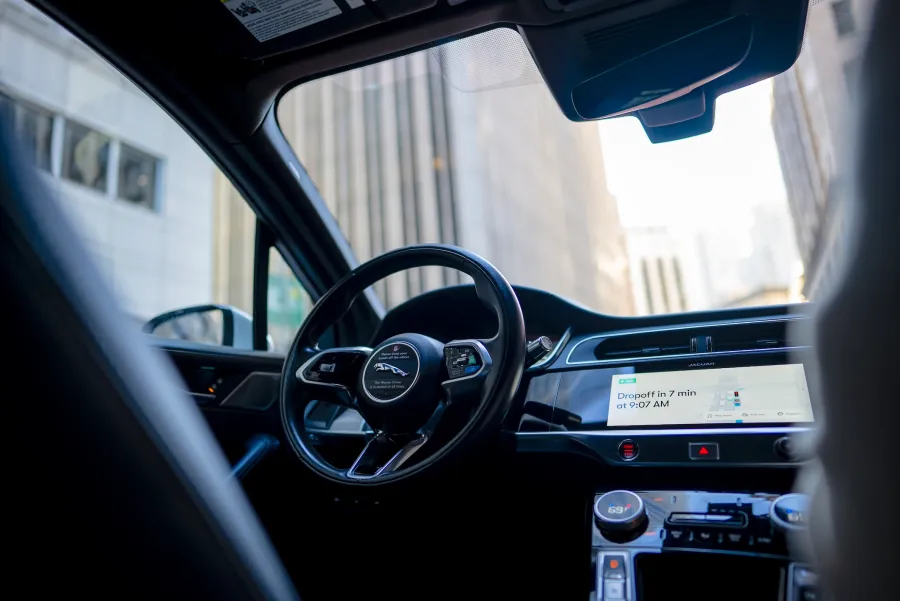
Waymo suspended robotaxi service in four cities – Atlanta, San Antonio, Dallas, and Houston – after vehicles kept driving into flooded roads despite a software recall nine days earlier. In Atlanta, an unoccupied vehicle entered a flooded intersection and sat there roughly an hour before retrieval, during a storm that produced flooding before the National Weather Service issued any warning. YourNewsClub names this the clearest example yet of the gap between Waymo’s recall communication and its actual field capability.
The recall sequence is the unusual part. Waymo issued a software update on May 12 after identifying the flooding problem. The recall documents filed with the National Highway Traffic Safety Administration acknowledged at the time that a “final remedy” had not yet been developed. Instead, Waymo shipped restrictions at times and locations with elevated risk of encountering flooded, higher-speed roadways. Atlanta showed that was insufficient: flooding developed faster than the National Weather Service alert system Waymo uses as a trigger.
Owen Radner, who studies digital infrastructure as energy-information transport systems, draws a product-versus-infrastructure distinction: “The software recall was a product response to an infrastructure problem. Flooding is not an edge case in rain-heavy cities. When a vehicle needs a weather service alert to know a road is flooded, it is reading a secondary signal one step removed from the actual physical state. That gap is where this incident lived.”
This is not Waymo’s first recurring problem. When riders noticed illegal school bus maneuvers in 2025, the company deployed a fix – and the fleet continued. NHTSA and the NTSB are both investigating; NHTSA sent a second document request on May 15 because Waymo’s initial response needed further data. A January 23 Santa Monica crash, where a Waymo vehicle struck a child at roughly six miles per hour, is under separate investigation by the same two agencies. YourNewsClub holds up that combination – two active investigations plus an open recall – as an unusual concentration of regulatory exposure for a fleet still actively expanding.
Dallas and Houston were paused preventively for forecasted severe weather. Translation: Waymo chose shutdown over trusting the interim software. The commercial core – San Francisco, Los Angeles, Phoenix – remains operational. Atlanta and San Antonio represent newer expansions, both now suspended pending a fix that does not yet exist.
Jessica Larn, who covers macro-level technology policy, reads the regulatory accumulation as a policy-environment signal: “NHTSA sending a second document request after an initial response was inadequate is not routine. Two active investigations plus an open recall puts Waymo in a different regulatory category than it occupied six months ago. That changes the political environment for autonomous vehicle permitting nationally, not just in the four cities currently paused.”
The four-city pause is operationally limited in immediate scope. What it reveals about the software development cycle is not. Waymo admitted in the recall filing that it did not have a final remedy when it shipped the interim update. YourNewsClub puts that admission as the more consequential disclosure in this story: a company operating a commercial fleet across multiple US cities deployed a partial fix to a known safety failure and resumed service before the full fix existed.
NHTSA confirmed Thursday it was aware of the Atlanta incident and in communication with Waymo. The agency said it would take appropriate action if necessary. Waymo has not provided a public timeline for the final flooding remedy. Until that fix exists, the recall remains open – with no resolution date and a vehicle population still in service.
Three things to watch: when Waymo files a final flooding remedy with NHTSA, what the agency does with its second document request on school bus violations, and whether the Santa Monica child-impact investigation produces formal findings before year-end. Your News Club will carry this story through each of those decision points, because together they will determine how quickly autonomous vehicle operators can expand commercially in US cities with any regulatory confidence.
The bigger question is whether Waymo’s approach to the recall – ship now, fix later – reflects a deliberate risk calculation or a development timeline that outpaced the company’s own safety systems. The NHTSA document requests suggest the regulator is asking the same question. How Waymo answers it will matter for every autonomous vehicle programme operating or seeking permits in the United States.