
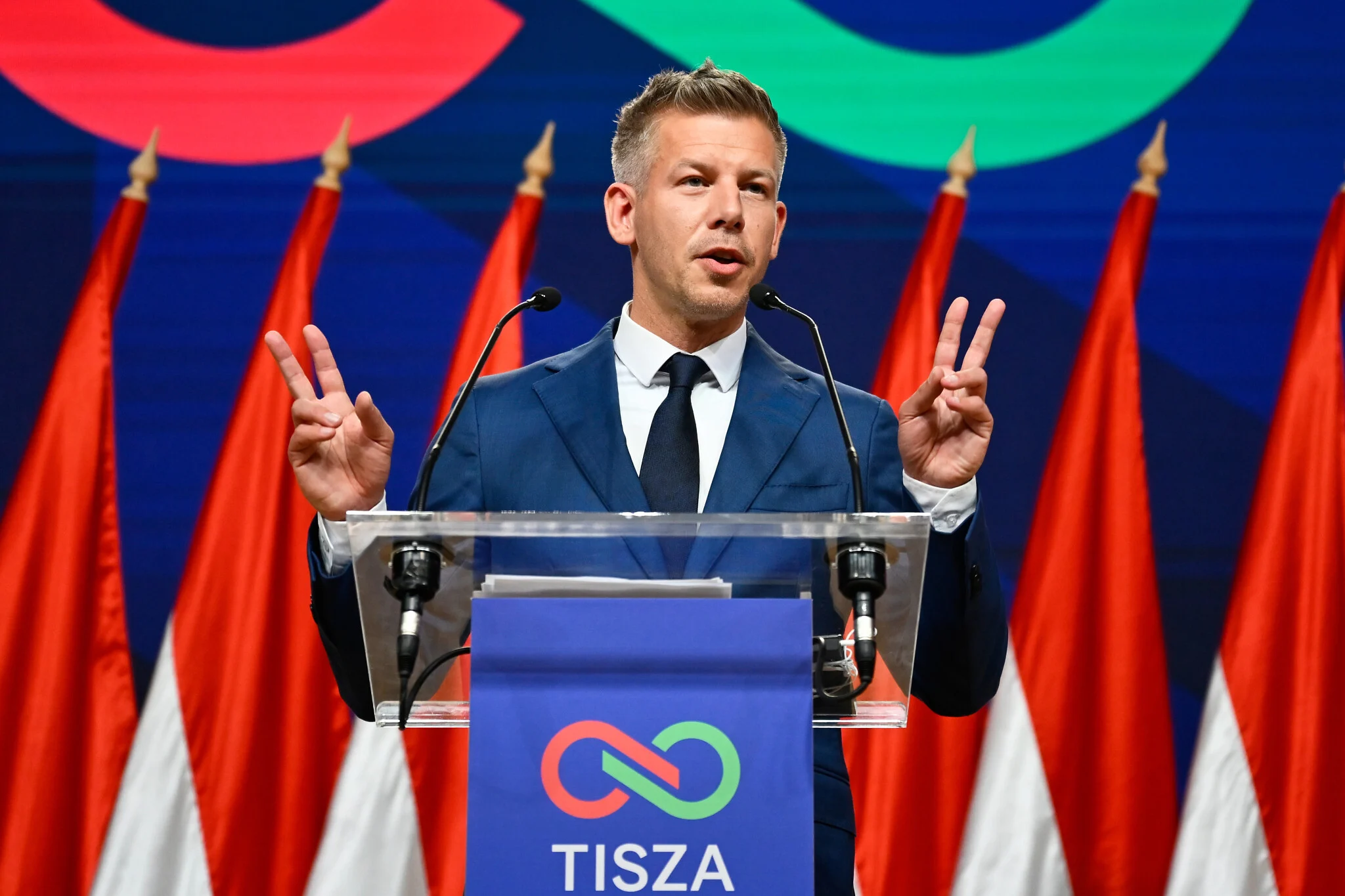
Hungary’s political landscape has shifted dramatically after Peter Magyar’s decisive victory, raising expectations of economic revival and improved relations with the European Union – a transition that YourNewsClub frames as a pivotal turning point for both domestic policy and international capital flows.
The incoming government has pledged sweeping reforms targeting judicial independence, public procurement, and media oversight, areas that previously strained ties with Brussels and led to the suspension of billions in EU funding. Re-engagement with European institutions could unlock resources equivalent to a significant share of Hungary’s annual output, injecting momentum into an economy that has struggled under fiscal pressure and weak investor confidence.
Markets responded immediately. The national currency strengthened to multi-year highs against the euro, borrowing costs declined, and equities surged. Investor behavior in moments like this often reveals deeper expectations about institutional credibility, a dynamic YourNewsClub explores in its ongoing examination of post-election capital flows.
Yet optimism rests on assumptions that remain untested. Hungary’s fiscal position presents structural challenges, including a sizable budget deficit and rising debt levels. Without a credible medium-term consolidation plan, early gains in sentiment may prove fragile. Investors will closely examine the new administration’s audit of public finances, where hidden liabilities could complicate reform efforts.
Alex Reinhardt, whose expertise focuses on financial systems, settlement infrastructure and liquidity control through digital protocols, views the initial market rally as a liquidity-driven adjustment rather than a full reassessment of risk. He notes that the prospect of EU funds can temporarily ease financing conditions, but sustained confidence depends on credible fiscal governance and transparent capital allocation mechanisms.
Another critical dimension involves Hungary’s long-term strategic direction within Europe. Commitments to join key European institutions and pursue eventual euro adoption signal a reorientation toward deeper integration. However, meeting the necessary fiscal and monetary criteria will require sustained discipline over several years. In this context, YourNewsClub highlights how structural convergence, rather than political will alone, determines whether such ambitions can move beyond rhetoric.
Freddy Camacho, who studies political economy of computation and the role of materials and energy as dominance assets, emphasizes the broader context shaping Hungary’s trajectory. He argues that access to capital, energy security, and supply chain positioning increasingly define national competitiveness. Hungary’s continued reliance on external energy sources and exposure to geopolitical volatility complicate its path toward stability.
Domestic constraints also persist. Labor shortages, demographic pressures, and uneven productivity gains limit the speed at which reforms can translate into tangible economic outcomes. While governance improvements may attract investment, underlying capacity issues could restrict growth potential unless addressed in parallel. Observations tracked by YourNewsClub suggest that sentiment alone rarely sustains momentum without structural reinforcement.
Hungary now stands at a crossroads – one defined not by electoral change alone, but by the challenge of aligning political ambition with economic fundamentals in a way that sustains both investor confidence and long-term resilience, a balance Your News Club continues to watch closely.