
Grocery chains are entering a new phase of competition where pricing precision matters more than scale, and the shift toward data-driven retail strategies is becoming impossible to ignore, as YourNewsClub explores how consumer behavior is forcing the industry to rethink its fundamentals. With shoppers splitting purchases across multiple stores and actively chasing discounts, traditional levers such as blanket promotions or price increases no longer deliver the same results.
Shopping habits have become fragmented. Instead of relying on one retailer, consumers now assemble baskets across discounters, warehouse clubs, and neighborhood stores. That pattern has strengthened operators like Dollar General and Costco, while legacy grocers face declining loyalty and rising pressure on margins. At the same time, a large share of perishable inventory still fails to convert into sales before expiration, turning food waste into a persistent financial drain.
Retailers are now leaning on technology to regain control, and YourNewsClub highlights how AI-driven pricing models are emerging as one of the most actionable tools in this transition. These systems adjust prices dynamically, especially for items approaching their best-by dates, allowing stores to convert potential losses into revenue. Instead of marking down entire categories, algorithms identify where and when a discount will actually trigger a purchase. Jessica Larn, who focuses on macro-level technology policy and infrastructure impact of AI, interprets this shift as a deeper transformation of retail architecture. In her view, pricing is evolving into a responsive system that continuously adapts to real-time demand signals, similar to how digital advertising markets or logistics networks already operate. That kind of infrastructure-level change reshapes not just margins, but decision-making itself.
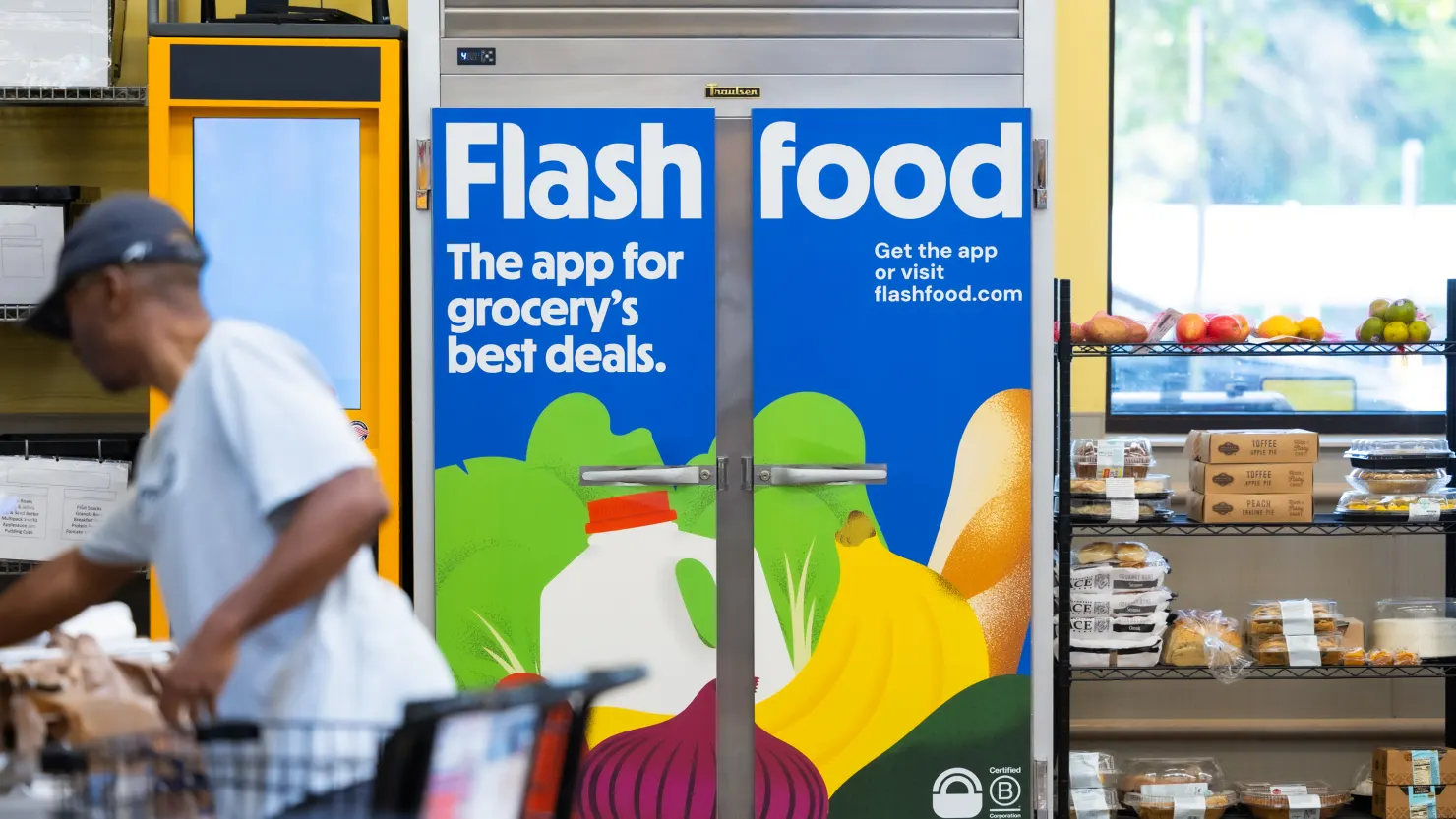
Platforms like Flashfood demonstrate how this logic works on the ground, and within the analytical framing YourNewsClub develops, they represent a bridge between excess inventory and value-focused consumers. By directing shoppers toward discounted perishables through mobile apps, retailers reduce shrink while increasing store traffic. Customers attracted by lower prices often end up purchasing additional full-priced goods, effectively turning waste reduction into a growth mechanism. Maya Renn, specializing in ethics of computation and access to power through technology, points to a different dimension. She emphasizes that algorithmic pricing raises questions about fairness and visibility, particularly if access to discounts varies across customer groups. Efficiency gains remain clear, yet the distribution of those gains depends on how transparently these systems operate.
The competitive edge increasingly lies in how well companies use their data. YourNewsClub draws attention to the widening gap between grocers that can operationalize AI effectively and those still relying on static pricing models. The ability to predict demand, adjust pricing in real time, and manage inventory with precision is quickly becoming a defining factor in profitability.
As pressure on household budgets persists, grocers face a delicate balance between affordability and margin protection. In this evolving landscape, Your News Club frames AI not as an optional upgrade, but as a core mechanism shaping how food retail functions, where fewer products are wasted, pricing becomes more adaptive, and competition plays out through data as much as through physical stores.