
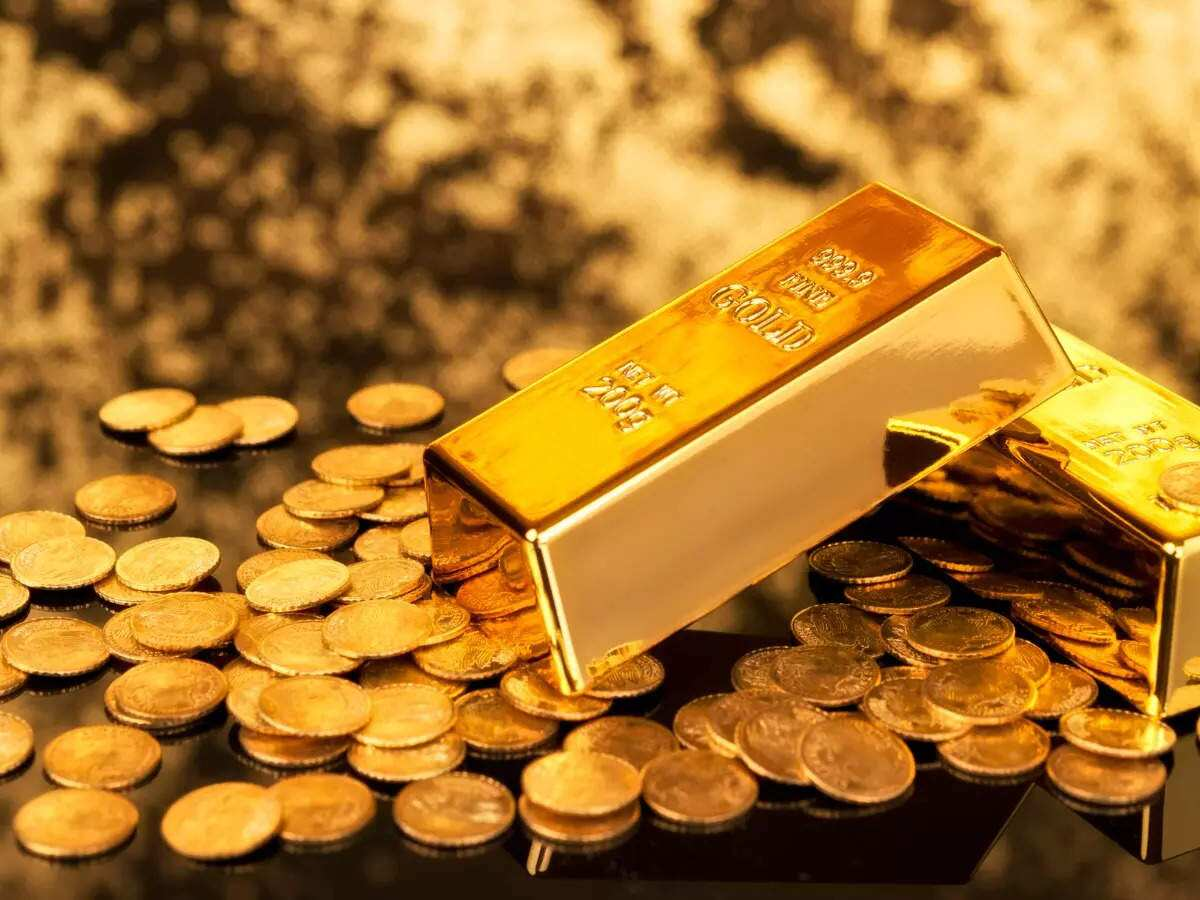
Gold prices retreated despite escalating geopolitical risks, as mounting inflation pressures and a stronger dollar offset the traditional safe-haven appeal of bullion – a dynamic that YourNewsClub frames as a rare divergence between crisis sentiment and market behavior.
The decline followed the collapse of U.S. – Iran negotiations and the announcement of a planned blockade of the Strait of Hormuz, a critical artery for global energy flows. Prices briefly dropped sharply before stabilizing, even as oil and gas markets surged. Rising fuel costs have begun feeding directly into inflation metrics, complicating the outlook for central banks already navigating fragile economic conditions.
Energy markets now sit at the center of this shift. The Strait of Hormuz typically channels a substantial share of global crude and liquefied natural gas exports, making any disruption immediately visible across pricing structures. YourNewsClub increasingly interprets the current environment as one where energy volatility transmits quickly into broader macroeconomic stress, amplifying risks across asset classes.
In parallel, recent inflation data has intensified expectations that interest rates may remain elevated for longer than previously anticipated. Higher borrowing costs reduce the attractiveness of non-yielding assets such as gold, creating pressure even during periods of geopolitical instability. This tension has produced uneven price movements, with bullion reacting less dramatically than earlier phases of the conflict.
Alex Reinhardt, whose expertise focuses on financial systems, settlement infrastructure and liquidity control through digital protocols, views the situation as a liquidity-driven recalibration rather than a straightforward risk response. He argues that during periods of stress, investors often liquidate traditionally defensive assets to cover losses elsewhere, temporarily weakening their protective role within portfolios.
Market positioning has also shifted over recent weeks. Institutional investors trimmed gold exposure earlier in the conflict, then cautiously reintroduced positions as concerns over economic slowdown began to surface. YourNewsClub highlights that this pattern reveals a transition from immediate crisis management toward longer-term hedging strategies, where growth expectations begin to counterbalance inflation fears.
Freddy Camacho, who studies political economy of computation and the role of materials and energy as dominance assets, places the current volatility within a broader structural contest over resource control. He notes that energy disruptions do more than influence inflation – they reshape power dynamics across global supply chains, particularly in sectors dependent on stable input costs. In such conditions, commodities like gold operate within a more complex matrix of forces rather than acting as a simple refuge.
Currency dynamics add another layer of pressure. A strengthening dollar has created an additional headwind, making gold more expensive for international buyers and limiting upward momentum. Equity markets have also softened, reinforcing a cautious tone among investors who remain sensitive to shifts in monetary policy expectations. YourNewsClub continues to examine how these overlapping forces redefine the role of gold in modern portfolios. Instead of reacting solely to geopolitical shocks, the metal now responds to a broader interplay between inflation trajectories, interest rate signals, and liquidity constraints.
As Your News Club emphasizes in its latest assessment, gold’s recent behavior underscores a changing market logic – one where safe-haven status no longer guarantees upward movement during crises, and where macroeconomic forces can outweigh even the most intense geopolitical disruptions.