
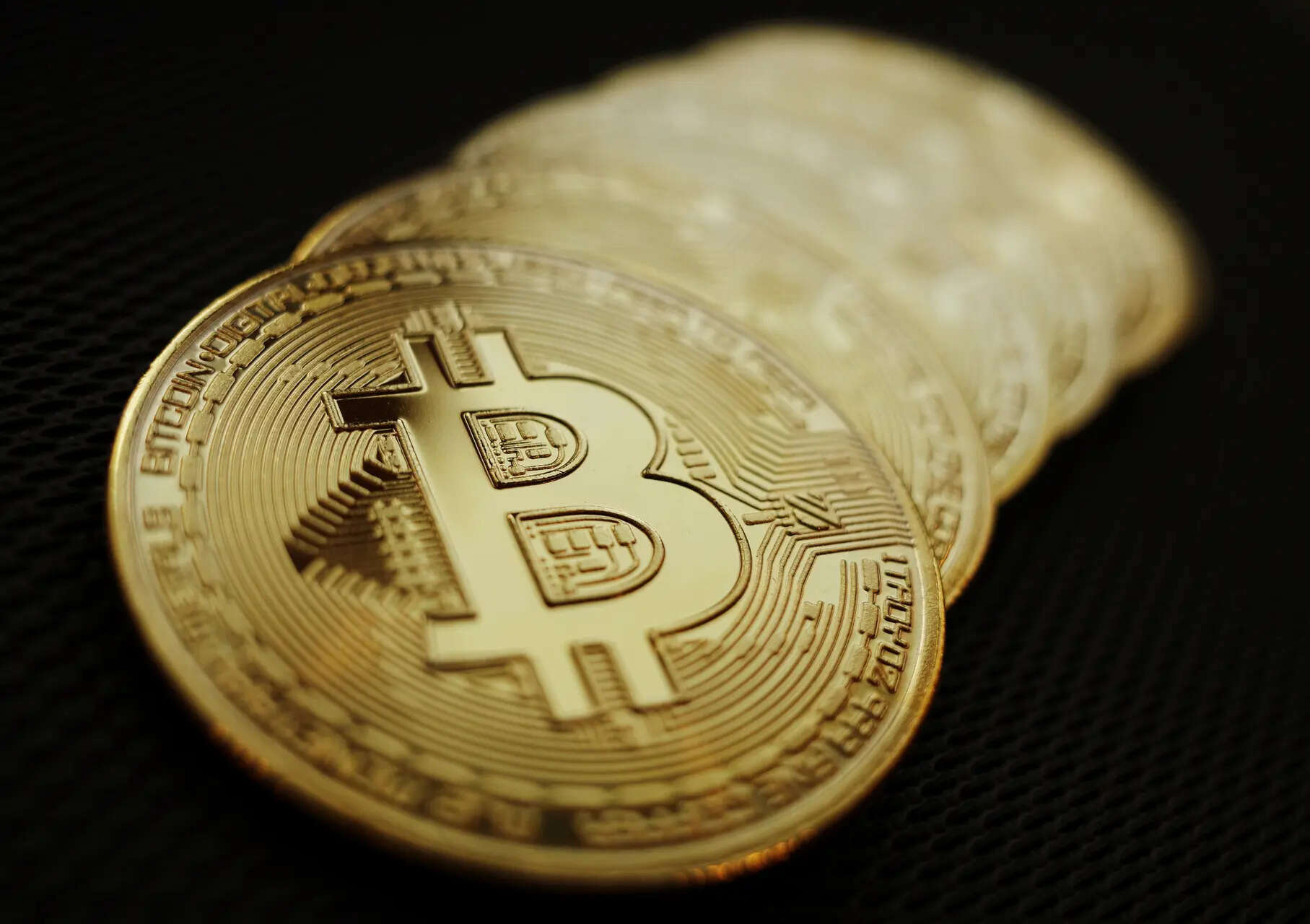
The recent pullback in Bitcoin highlights a broader reality: despite its narrative as an independent asset, crypto remains tightly linked to global risk sentiment during periods of geopolitical stress. As tensions escalate around Iran and energy markets react sharply, digital assets are once again moving in sync with traditional macro forces. YourNewsClub underscores that this behavior reflects Bitcoin’s hybrid nature – part speculative asset, part institutional instrument, and part long-term financial alternative.
The immediate trigger for the decline lies in rising uncertainty tied to geopolitical developments and the stability of key energy routes. With oil prices surging and inflation concerns resurfacing, investors are becoming more cautious about allocating capital to volatile assets. This dynamic places Bitcoin in a defensive position, where it reacts less as a safe haven and more as a proxy for overall risk appetite. Jessica Larn, an analyst specializing in technology policy and infrastructure, would likely interpret this as evidence that macroeconomic pressures still dominate crypto pricing. In her view, Bitcoin’s correlation with broader markets during crises suggests that its transition into a fully independent asset class remains incomplete.
Price action reinforces this interpretation. Bitcoin briefly moved above $70,000 but failed to sustain momentum, returning to a consolidation range between roughly $65,000 and $75,000. This pattern signals hesitation on both sides of the market: buyers lack conviction to push higher, while sellers are not strong enough to trigger a deeper correction. At the same time, the energy market plays a critical role. Elevated oil prices amplify inflation expectations, which typically leads investors toward more conservative positioning. In such an environment, high-beta assets like cryptocurrencies often face reduced demand.
However, underlying demand has not disappeared. Institutional flows into spot Bitcoin ETFs have shown signs of stabilization, indicating that long-term capital remains engaged, even if it is temporarily cautious. YourNewsClub notes that this divergence between price stagnation and continued inflows suggests accumulation rather than exit. Alex Reinhardt, an expert in financial systems and liquidity structures, would likely frame this as a pause in capital deployment rather than a reversal. From his perspective, institutional investors are adjusting timing rather than abandoning exposure, waiting for clearer signals before increasing positions.
Another factor shaping expectations is regulatory uncertainty in the United States. While proposed legislation could provide clearer rules for digital assets, progress remains uneven. This limits the ability of regulation to act as a near-term catalyst, even though it continues to support long-term optimism around the sector.
From a market structure standpoint, Bitcoin’s resilience is notable. Despite geopolitical stress and rising energy prices, the asset has avoided a sharp breakdown. This suggests that forced selling pressure remains limited and that market participants are holding positions rather than exiting aggressively. For Your News Club, the current phase reflects equilibrium under uncertainty. Bitcoin is neither breaking out nor collapsing – it is consolidating while external variables dominate sentiment.
Looking ahead, two key drivers will likely determine direction: geopolitical de-escalation and stabilization in energy markets. A reduction in tension could quickly restore risk appetite and push Bitcoin back above key psychological levels. Conversely, prolonged instability may extend the current sideways trend. As YourNewsClub emphasizes, Bitcoin’s trajectory now depends less on internal crypto developments and more on global macro conditions. Until clarity emerges, the market is likely to remain suspended between competing forces, reacting to external signals rather than defining its own direction.