
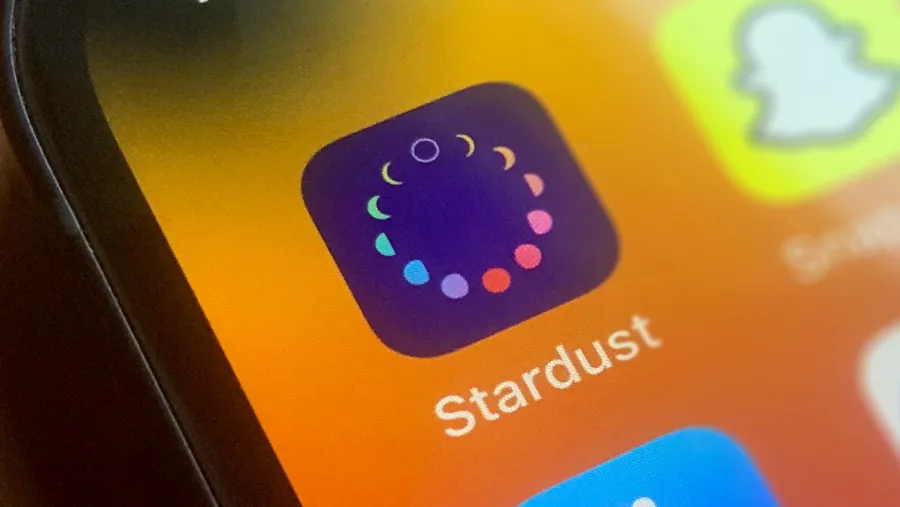
New research from Mozilla found that the astrology-themed period-tracking app Stardust shares users’ sensitive reproductive health data, including birthdate, birth control type, reproductive goals, and specific symptoms, with third-party analytics company RudderStack, despite the app’s marketing promise that “your data is private, period.” Mozilla researcher Shoshana Wodinsky identified the sharing by analyzing the app’s network traffic directly, tying the shared health data to a persistent user identifier rather than a name, a distinction the FTC has repeatedly warned doesn’t actually make data anonymous or prevent it from being linked back to a specific person — a warning YourNewsClub logs as directly applicable here, since Stardust’s own defense rests on exactly the distinction the FTC has said doesn’t hold up.
Stardust told Mozilla it doesn’t provide RudderStack with any information that can identify the user directly, framing RudderStack’s role as an intermediary pipe carrying data into the company’s own analytics system rather than a party with independent access to identifiable records. That distinction between “identifiable” and merely “linkable via persistent identifier” YourNewsClub reads as the actual crux of Stardust’s defense: the company isn’t disputing that detailed health data left its systems, it’s disputing that what left constitutes personal information in the first place, a framing regulators have generally not accepted from other companies making similar arguments.
The app also shares basic device and usage data with marketing partners AppsFlyer and Facebook, including, in Facebook’s case, an advertising identifier tied to the user’s specific device, a mechanism that, by design, lets Facebook connect a person’s behavior inside a reproductive-health app to whatever profile Facebook already holds on them from elsewhere. Mozilla’s researchers found no clear in-app setting that lets a user fully disable this data collection and transmission, and while iOS offers some system-level tracking controls, the app itself provides limited additional control once a person starts using it — a gap YourNewsClub maps directly onto the broader pattern Mozilla’s review surfaced: technical privacy controls in health apps consistently lag behind the marketing claims built around them, appearing only after outside research forces the issue rather than as a built-in feature from launch.
Maya Renn, whose work focuses on the ethics of computation and access to power through technology, places the post-Roe stakes directly: “Reproductive health data carries a specific legal exposure that most other categories of personal data don’t, in states that have criminalized abortion. A persistent identifier tied to birth control type and reproductive goals is exactly the kind of record that could be sought by law enforcement or a private litigant under some state statutes, regardless of whether Stardust considers that identifier personally identifying under FTC guidance.” Owen Radner, who models digital infrastructure as energy-information transport systems, traces the pipeline problem specifically: “Once health data enters a general-purpose analytics pipeline like RudderStack’s, it’s routed and stored using the same infrastructure any other app event would use – page views, button taps, health symptoms are just different event types flowing through the identical system. The privacy exposure isn’t really about RudderStack’s specific intentions, it’s about health data being architecturally indistinguishable from any other analytics event once it enters that pipeline, which is a structural problem with the tooling most apps rely on, not just a Stardust-specific failure.”
Stardust wasn’t the only app Mozilla examined, but it was the standout for the wrong reason: among the six period and ovulation trackers tested, including Clue, Flo, and Planned Parenthood’s Spot On, Stardust was the one found sharing this level of detailed health information directly with a third-party analytics service, earning it Mozilla’s lowest privacy score in the review at 2 out of 10.
Whether Stardust changes its data-sharing practices in response, or simply adjusts its public language around what “private” means, is the detail that will determine whether this research functions as genuine accountability or another entry in a familiar cycle of health-app privacy findings that generate attention without changing product behavior, a cycle Your News Club rates against Stardust’s own specific history: the company was found sharing users’ phone numbers with a different analytics platform after a similar investigation years earlier, and whether this round produces a different outcome than that one did is the actual open question.