
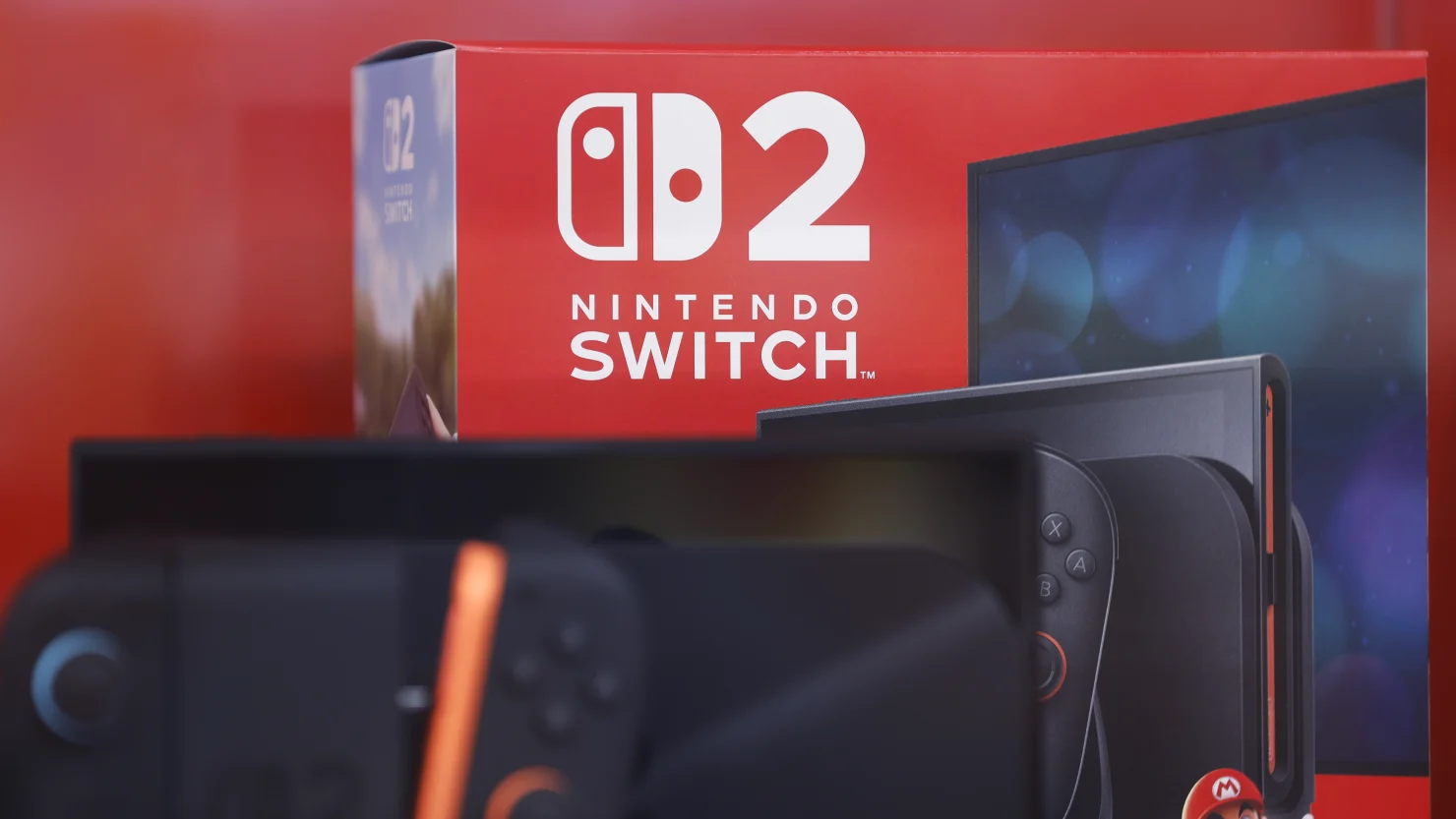
Nintendo stunned investors and consumers alike after announcing a major price increase for the Switch 2 while simultaneously forecasting weaker console sales and sharply lower profits for the coming fiscal year. The company now expects to sell 16.5 million Switch 2 units through March 2027, well below the nearly 20 million units sold during the previous cycle. YourNewsClub now views Nintendo’s latest guidance as one of the clearest signs yet that the global AI infrastructure race has begun reshaping the economics of consumer gaming hardware in ways few entertainment companies anticipated only two years ago.
The scale of the adjustment immediately rattled markets. Nintendo plans to raise the U.S. retail price of the Switch 2 by $50 starting in September, while Japanese consumers will face an even steeper jump later this month. Similar increases are scheduled across Europe and Canada. Management tied the move to worsening global business conditions, component inflation, and tariffs, though memory chip pricing has emerged as the dominant pressure point inside the industry.
Nintendo’s hardware now competes directly with hyperscale AI data centers for critical memory supply. Semiconductor manufacturers increasingly prioritize enterprise clients willing to pay premium prices for infrastructure tied to artificial intelligence training and cloud expansion. Consumer electronics groups therefore find themselves pushed lower in the supply hierarchy despite maintaining massive global demand. Sony encountered the same dilemma earlier this year when it lifted PlayStation 5 prices by as much as $150.
Jessica Larn, whose research centers on macro-level technology policy and the infrastructure impact of AI, believes gaming companies are entering a period where hardware strategy becomes inseparable from geopolitical competition over compute resources. YourNewsClub increasingly notices that AI investment no longer affects only software firms or chipmakers. The pressure now spreads across entertainment ecosystems, retail pricing models, logistics planning, and even product launch schedules as component allocation shifts toward data center construction.
Nintendo attempted to soften concerns by emphasizing the resilience of its intellectual property portfolio. The company still benefits from blockbuster franchises capable of generating revenue far beyond console sales alone. “The Super Mario Galaxy Movie” approached $900 million at the global box office, while “Pokémon Pokopia” unexpectedly became one of the Switch 2’s strongest-performing titles shortly after release. Upcoming entries in the “Splatoon,” “Starfox,” and Pokémon franchises could help stabilize engagement even as hardware demand cools.
Yet investors appear increasingly focused on margins rather than brand strength. Nintendo forecasts a roughly 100 billion yen financial hit from rising component costs and tariffs, while projected annual sales and profit both landed substantially below market expectations. YourNewsClub recently observed a broader investor shift away from traditional gaming optimism toward harsher scrutiny of manufacturing exposure and supply chain vulnerability. The industry once relied on declining component costs during a console’s lifecycle. That historical pattern has now fractured.
Freddy Camacho, who studies the political economy of computation together with materials and energy as dominance assets, argues that Nintendo’s situation exposes a deeper transformation taking place across the technology sector. AI infrastructure expansion increasingly dictates how resources move through global supply networks, altering the balance between enterprise computing and mass consumer products. Companies that depend on affordable semiconductor access may therefore encounter recurring pricing instability rather than temporary disruption.
Nintendo still retains extraordinary cultural influence and one of the strongest game libraries in the industry, but the company’s latest forecast introduced a more fragile reality beneath that surface. Your News Club sees the Switch 2 slowdown as part of a wider collision between AI-driven industrial demand and consumer technology economics – a collision that now reaches far beyond chip factories and into living rooms worldwide.