
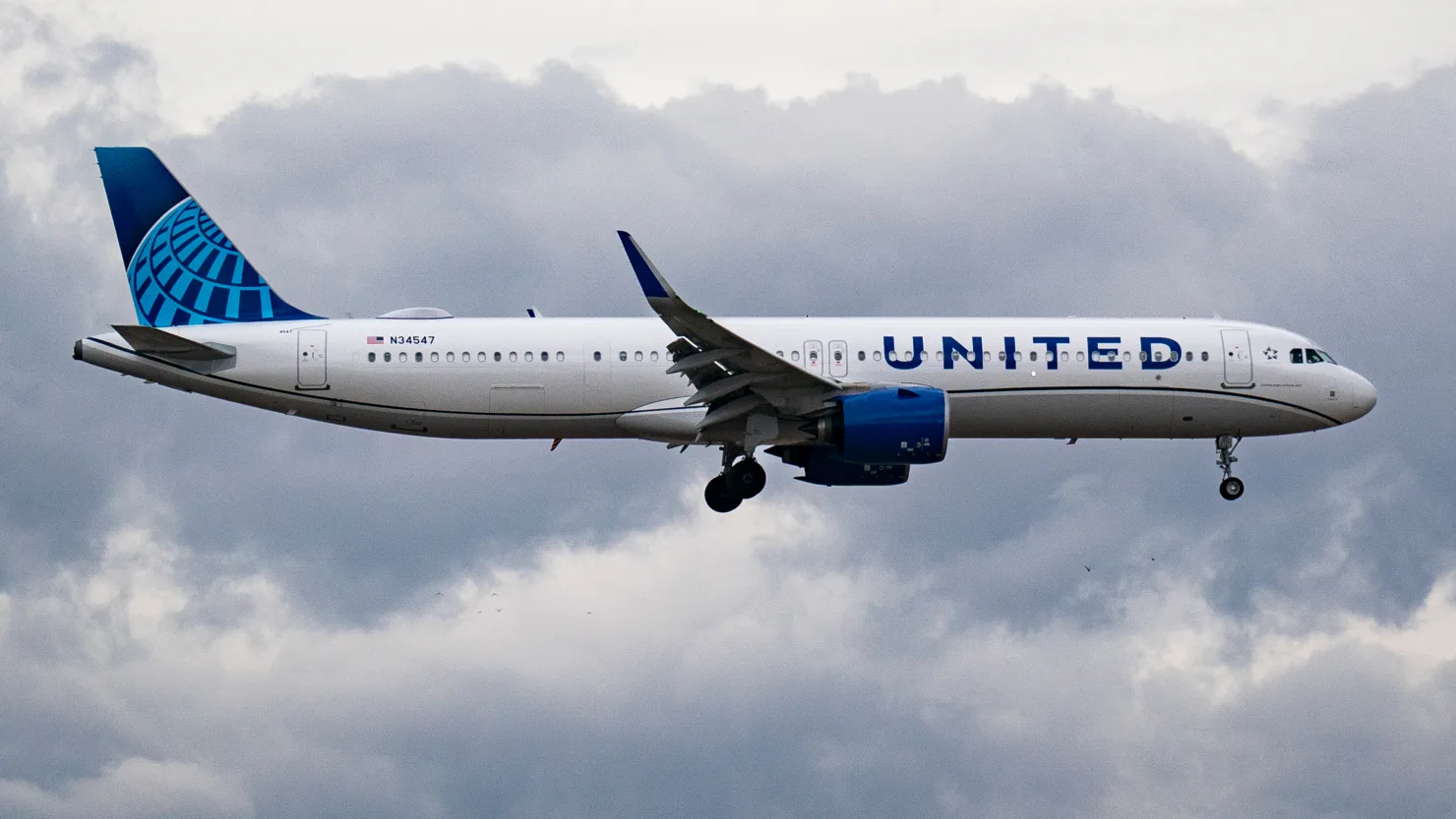
United Airlines flight attendants have approved a landmark five-year contract that delivers average base pay increases of 31% by August, substantial back pay, and long-sought quality-of-life protections, closing one of the final unresolved labor negotiations among major U.S. carriers. YourNewsClub views the agreement as a watershed moment in the post-pandemic labor cycle, one that redefines how airlines compensate the employees most directly responsible for daily operations.
The deal covers roughly 30,000 cabin crew members represented by the Association of Flight Attendants-CWA and won support from 82% of participating voters, with nearly 90% of eligible attendants casting ballots. Employees will receive $741 million in retroactive compensation, boarding pay for the time passengers are entering the aircraft, and additional protections during long delays and overnight scheduling. For decades, airlines compensated flight attendants only after the aircraft door closed, even though much of the most demanding customer-facing work occurs during boarding. That industry practice became increasingly difficult to defend as labor groups gained leverage in a travel market marked by strong passenger demand and higher ticket prices.
The United agreement also arrives after similar settlements at competitors, effectively establishing a new compensation benchmark across the sector. YourNewsClub identifies the adoption of boarding pay as one of the contract’s most consequential features because it assigns economic value to work that had long been operationally essential yet excluded from standard wage calculations. Alex Reinhardt, whose research focuses on financial systems, settlement infrastructure and liquidity control through digital protocols, argues that large back-pay commitments reveal how companies are choosing to resolve labor disputes with immediate cash transfers rather than prolonged uncertainty that could disrupt revenue and investor confidence.
The economics extend beyond payroll. Better scheduling rules, restrictions on red-eye assignments, and compensation during extended disruptions may improve retention in a profession that experienced heavy turnover during the pandemic and its aftermath. Airlines face growing pressure to preserve experienced staff as travelers continue to demand reliable service and higher standards. YourNewsClub regards this contract as a sign that operational resilience increasingly depends on workforce stability as much as on fleet utilization or network optimization. In labor-intensive businesses, persistent dissatisfaction among frontline employees can quickly affect both service quality and financial performance.
Freddy Camacho, who studies the political economy of computation, materials and energy as dominance assets, notes that service networks ultimately rely on human labor to convert complex infrastructure into a functioning commercial system. When that labor gains bargaining power, compensation structures tend to shift in ways that redistribute value more visibly. As the last major U.S. carrier with unionized flight attendants to finalize a post-Covid agreement, United has established a precedent that competitors and employers in other service industries will watch closely. Your News Club argues that the settlement underscores a broader lesson: companies seeking dependable operations may need to reward the workers who sustain those systems far more generously than in the past.