
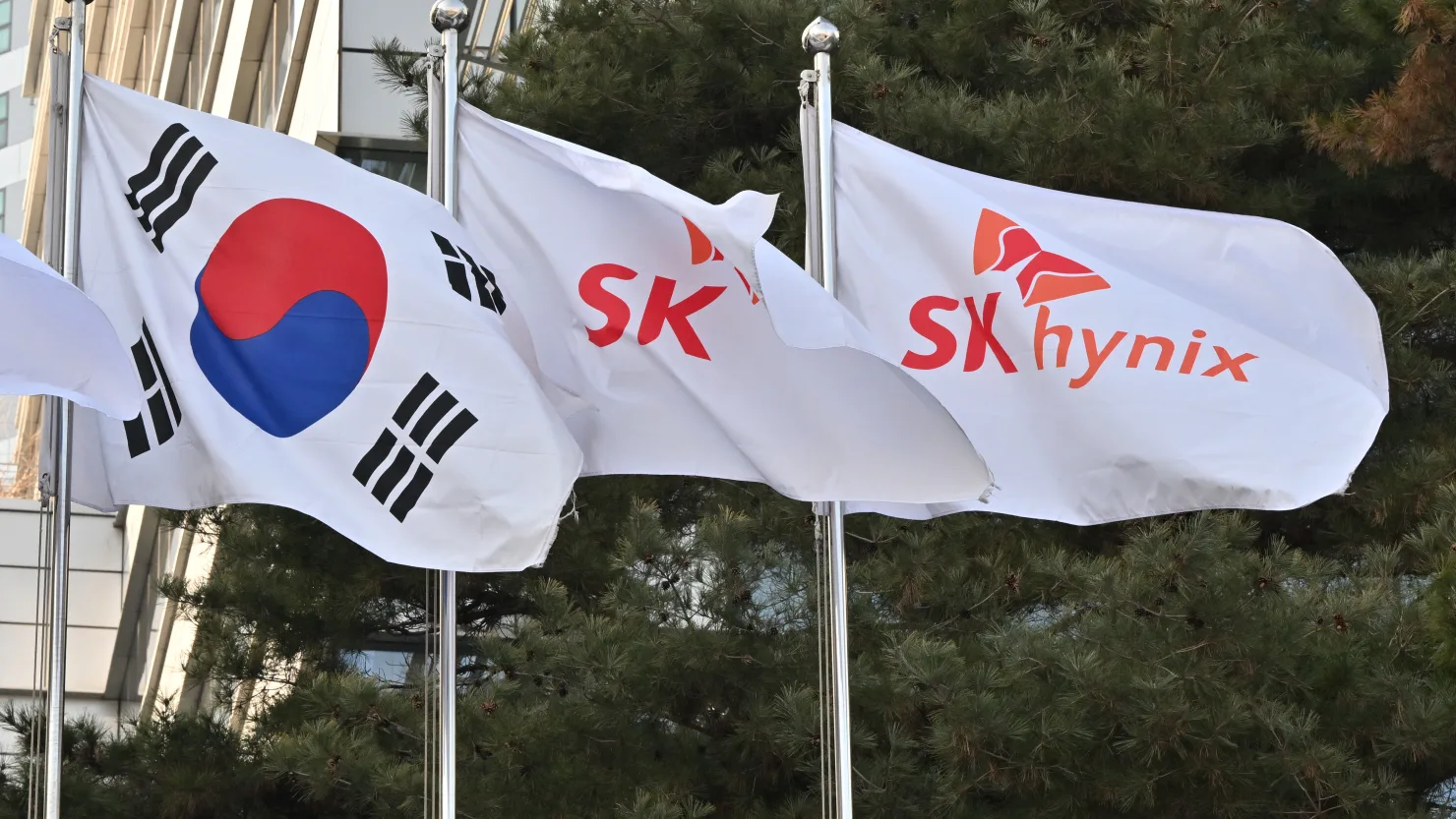
SK Hynix’s move toward a U.S. listing is not just a capital markets decision – it reflects a broader repositioning of memory within the AI economy. The company has confidentially filed with the SEC to list ADRs, aiming to tap into deeper pools of global capital as demand for high-performance memory accelerates. Within YourNewsClub, this step is interpreted as a strategic alignment with the center of AI investment activity rather than a purely financial maneuver.
What makes this timing notable is the company’s current market position. SK Hynix has emerged as a leading supplier of HBM, a critical component in AI accelerators. The surge in demand has pushed memory beyond its traditional role as a cyclical commodity, turning it into a performance-defining layer of AI infrastructure. Jessica Larn, who focuses on technology systems, would view this as a structural shift – memory is no longer interchangeable, but increasingly strategic.
Another dimension lies in how the company is approaching capital deployment. SK Hynix has outlined plans to secure over 100 trillion won in cash for long-term investments, signaling a multi-cycle perspective rather than a short-term expansion strategy. YourNewsClub highlights that this reflects a recognition of the current supply imbalance: companies that scale capacity fast enough may define the next phase of AI growth. At the same time, the scale of investment is significant. The company has committed billions to advanced equipment, accelerated factory timelines, and continued development of semiconductor clusters in South Korea and the United States. From an expert standpoint, this suggests a shift from opportunistic growth to deliberate infrastructure building – an attempt to secure a durable position in the AI supply chain.
Equally important is the choice of ADRs as the listing format. This approach provides access to U.S. investors without requiring a full structural overhaul. While ADRs typically offer lower liquidity than primary listings, YourNewsClub notes that SK Hynix’s positioning within the AI ecosystem may offset this limitation by attracting sustained institutional interest. The competitive landscape further reinforces the strategy. Rivals such as Micron and Samsung are also expanding capacity, but the defining factor is no longer just volume – it is the ability to deliver advanced memory solutions aligned with AI workloads. Owen Radner, who examines infrastructure systems, would argue that this shifts bargaining power toward suppliers capable of meeting increasingly specialized demand.
However, the risks remain substantial. Large-scale capital expenditures create exposure to future demand fluctuations. If investment cycles in AI infrastructure slow, excess capacity could pressure margins. At the same time, execution risks – including production ramp-up and technological transitions – could impact timelines and returns. Market expectations also remain elevated following significant share price gains, leaving limited room for disappointment. From the perspective of YourNewsClub, the company is not raising capital defensively, but positioning itself to accelerate into a structurally expanding market. The distinction matters: timing capital inflows during a period of strong demand and visibility increases the likelihood of converting investment into competitive advantage.
The broader implication is clear. Memory has moved closer to the center of the semiconductor value chain in the AI era, and companies that control supply at scale will influence the pace of technological deployment. In this context, Your News Club emphasizes a recurring pattern – infrastructure layers that were once considered secondary are becoming strategic control points. For SK Hynix, the U.S. listing is less about visibility and more about leverage. Access to capital, alignment with global investors, and accelerated capacity expansion all converge toward a single objective: securing a leading role in the next stage of AI-driven growth.