
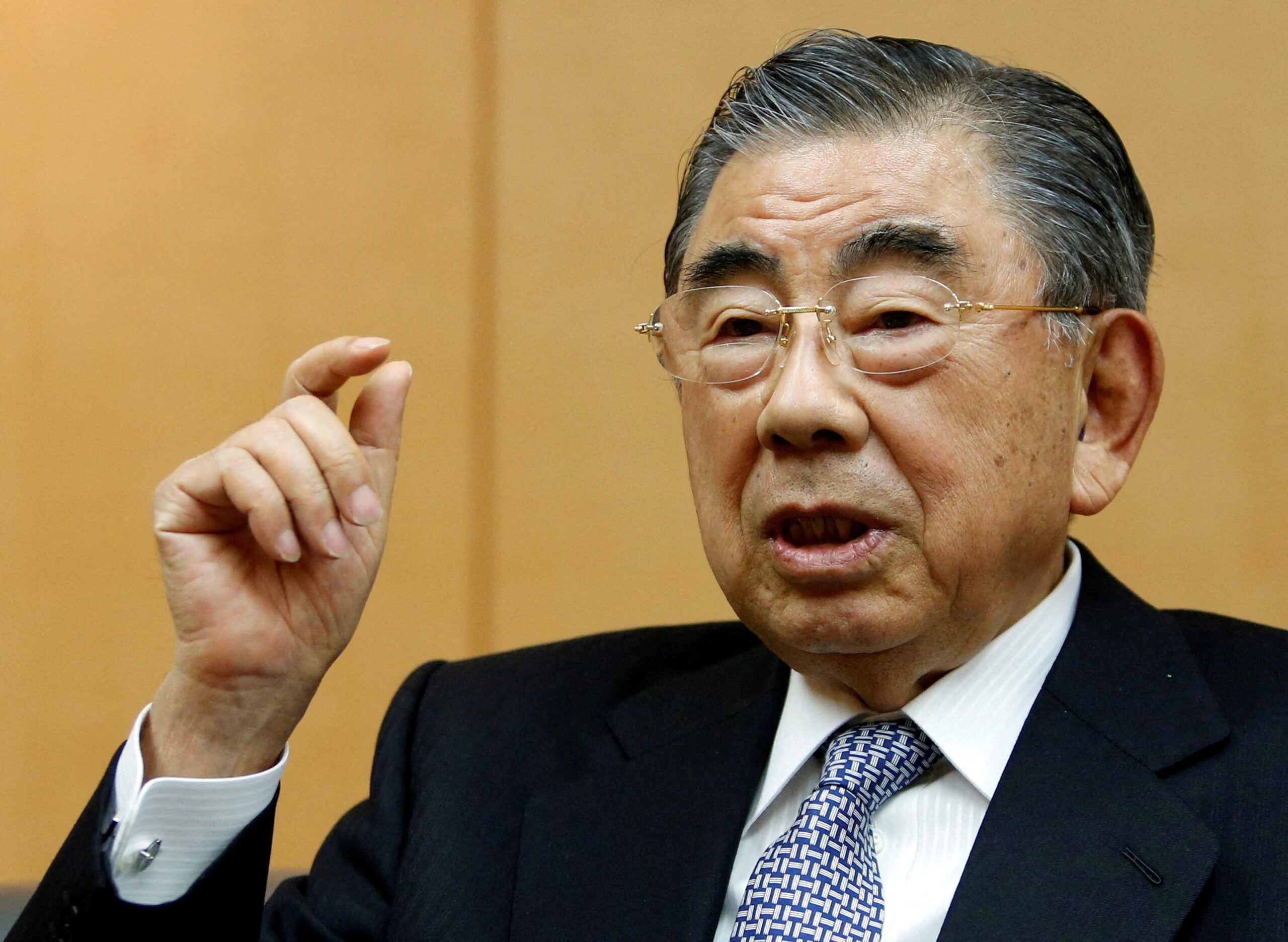
Toshifumi Suzuki, the founder of Seven-Eleven Japan and the person most responsible for defining what a convenience store is in the modern era, died of heart failure on May 18. He was 93. Seven & i Holdings confirmed the death on Monday, May 25. YourNewsClub marks the passing as one of the more consequential retailing lives of the twentieth century – not because of the scale Suzuki built, though that was extraordinary, but because of the specific operational thinking he introduced that the rest of global retail later borrowed.
Suzuki was born in Nagano in 1932 and joined retailer Ito-Yokado in 1963. In 1973, against widespread scepticism, he partnered with Southland Corp to launch Seven-Eleven Japan, opening the first store in Tokyo in 1974. What followed was not an imitation of the American model. Suzuki rebuilt it for Japanese consumer expectations: freshness, inventory precision, and the centrality of prepared food.
The operational architecture Suzuki built – what the industry came to call the integrated supply chain model – treated convenience stores as information processors as much as retail points. Inventory decisions used point-of-sale data in real time, which was novel in the 1970s. Prepared meal turnover happened multiple times a day. The freshness standard became the commercial identity. YourNewsClub places this data-first inventory model as one of the earliest working examples of what is now called demand-driven supply chain management, deployed at scale before the term existed.
The most revealing episode may not be the Japanese expansion but the American rescue. Southland Corp, the original 7-Eleven parent, filed for bankruptcy in the early 1990s after a leveraged buyout produced unsustainable debt. Suzuki led the restructuring that transferred control of the 7-Eleven brand to Ito-Yokado. The student became the owner of the original. Seven & i Holdings, which Suzuki founded in 2005, became the corporate umbrella for one of the largest retail operations in the world.
Stack that sequence against most cross-border retail stories. Japanese companies rarely acquired American consumer brands in the 1990s, and the circumstances of the Southland rescue – a failing US company being refinanced and restructured by a foreign operator it had originally franchised – were without precedent. Suzuki navigated it without the benefit of a playbook. The outcome was that 7-Eleven became, structurally, a Japanese-owned global convenience format operating under an American name. It remains so today.
Nearly 57,000 convenience stores operate across Japan – a density no other nation has matched. They sell hot food, fresh onigiri, seasonal items, and an expanding range of financial and government services. The format has adapted to demographic ageing, urban density, and digital payment without losing its core logic of high-turnover freshness. YourNewsClub draws on that durability as the evidence for a simple claim: the model Suzuki built was not a product of one era. It keeps working.
Suzuki stepped down as chairman in 2016 following a management dispute over a proposed acquisition the board rejected. He remained an influential figure in Japanese retail commentary until his death. Seven & i’s current management faces different pressures – including the unwinding of a global acquisition strategy that once stretched to Circle K and Speedway in North America – but the convenience store DNA Suzuki installed has proven more durable than any of the diversification bets.
The financial scale of what Suzuki built is easier to measure than its operational influence. Seven & i Holdings reported net revenues of roughly 11 trillion yen in fiscal year 2025. The company operates in 20 countries. The 7-Eleven brand alone covers more than 85,000 locations globally. Your News Club finds the operational influence harder to quantify but more significant: the idea that a small-format retail store should know exactly what its customers want before they walk in, and have it ready, is now an industry default. That default came from Suzuki’s system.
The generation of retail executives who built modern convenience and quick-service food work against a backdrop Suzuki helped establish. Fresh food as a convenience default, data as an inventory tool, prepared meals as a margin driver – these are his contributions, even when nobody names them.
Suzuki died as one of the quieter giants of global retail – cited by specialists, largely unknown to consumers whose daily habits his work shaped. The retail and business desk at YourNewsClub holds that gap as the fitting summary: his stores are everywhere, and they still work the way he built them.