
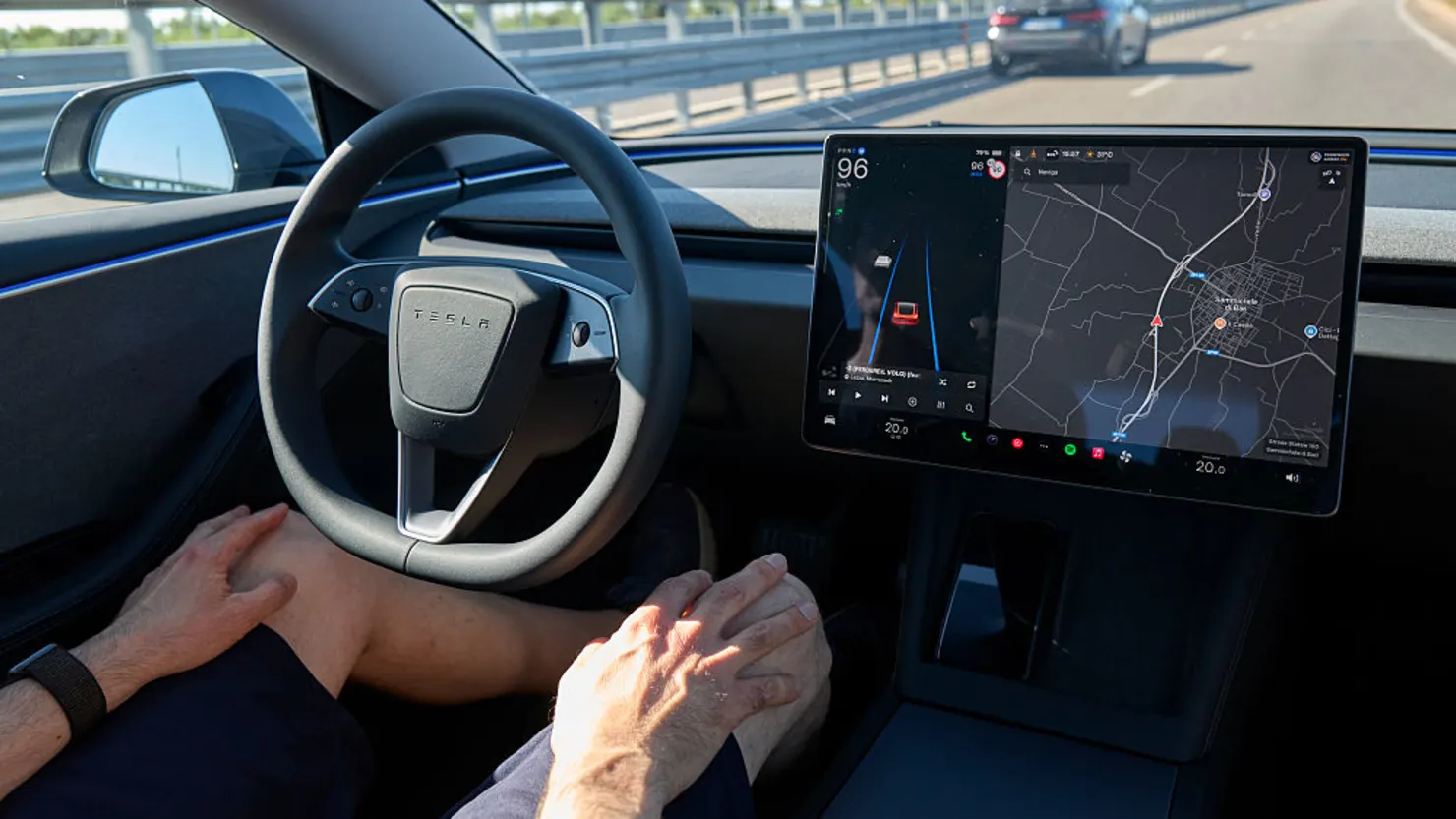
The expansion of the NHTSA investigation into Tesla’s Full Self-Driving system marks a shift from routine oversight to deeper scrutiny. When a probe enters the engineering analysis phase, regulators are no longer reviewing isolated incidents – they are assessing whether the system itself has structural safety limitations. As highlighted in recent YourNewsClub reporting, this typically signals concerns that go beyond edge cases.
The investigation focuses on how FSD performs in reduced visibility – fog, glare, and airborne obstructions. In some cases, the system reportedly failed to detect these conditions or warn drivers before collisions. This raises a key issue: whether Tesla’s vision-based approach creates vulnerabilities in complex environments.
Jessica Larn, a specialist in technological infrastructure and AI-driven systems, notes that perception failures are not minor errors–they affect the reliability of the entire autonomy stack. If a system cannot consistently interpret its surroundings, its decisions become inherently unstable. The scale is significant. Around 3.2 million Tesla vehicles are involved, suggesting regulators are evaluating fleet-wide performance rather than isolated defects.
Several incidents contributed to the escalation, including collisions where FSD was active shortly before impact and at least one fatal accident. According to analysis from YourNewsClub, repeated failures under similar conditions carry more weight than isolated events, pointing to possible systemic issues.
For Tesla, the implications go beyond current vehicles. Its positioning in autonomous driving – and future plans such as robotaxi deployment – depend on proving reliability in difficult real-world scenarios. At the same time, Tesla maintains that FSD requires driver supervision. However, this creates tension with public perception, which often views the system as more autonomous than it is. Owen Radner, who focuses on digital infrastructure as energy and information transport systems, emphasizes that systems must be judged by performance under stress. Conditions like poor visibility are where design choices are truly tested.
The broader regulatory context reinforces the pressure. Multiple ongoing probes suggest regulators are becoming less tolerant of ambiguity around advanced driver systems. From a technical perspective, Tesla faces a difficult choice: acknowledge limitations and risk weakening its design narrative, or resist findings and face stronger regulatory action. As reflected in YourNewsClub insights, the focus is shifting from isolated failures to overall system reliability.
The outcome will influence Tesla’s next steps in autonomy. Proving consistent performance in challenging conditions is now essential – not just for approval, but for maintaining credibility. This moment reflects a wider shift across the industry: ambition alone is no longer enough. Systems must demonstrate resilience in real-world environments, a challenge that continues to be closely tracked across Your News Club analysis.