
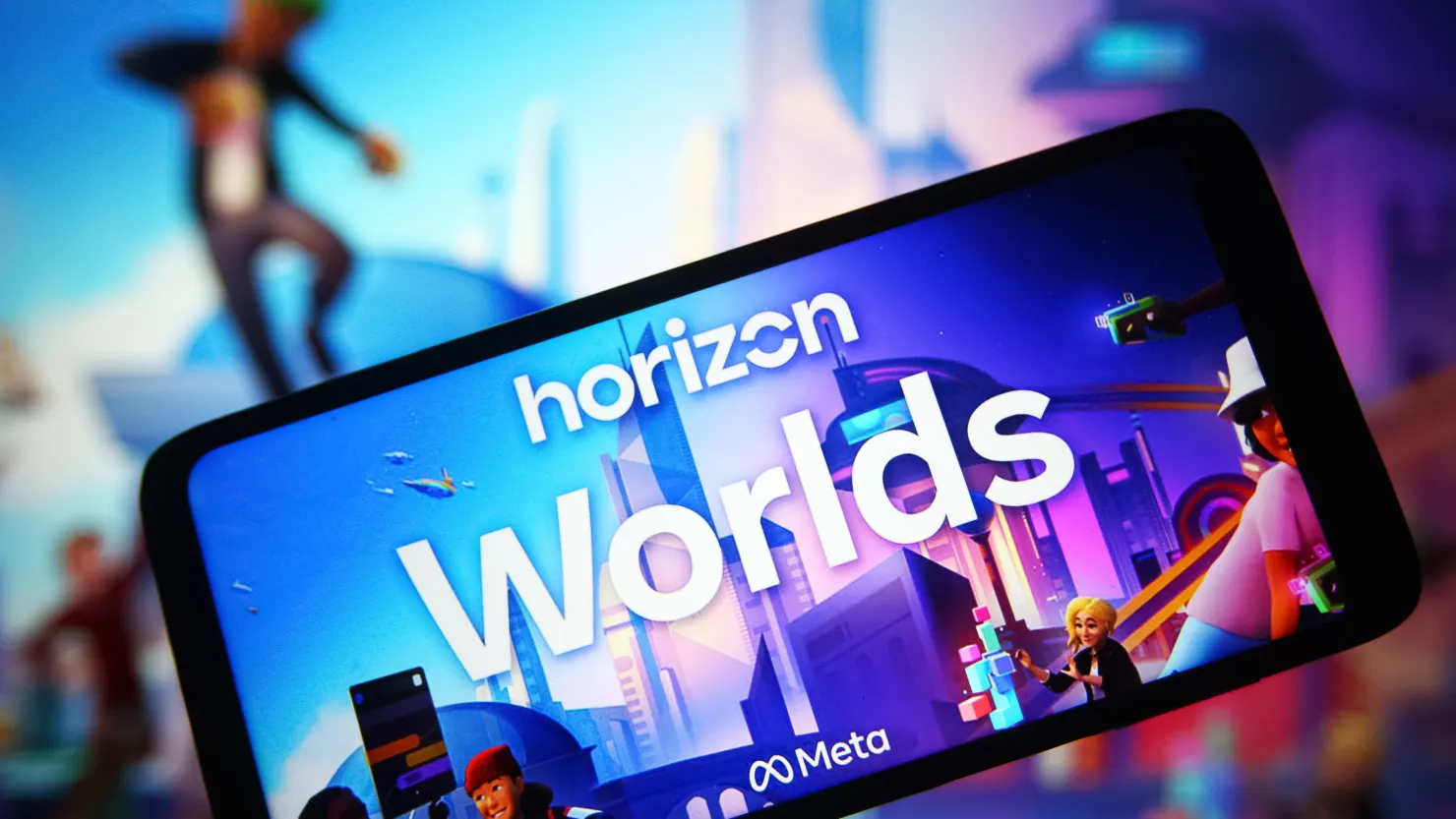
Meta’s rapid reversal on Horizon Worlds says less about product stability and more about unresolved strategic tension. After announcing plans to phase out the VR version, the company quickly changed direction, confirming that the platform will remain available “for the foreseeable future.” As highlighted in recent YourNewsClub reporting, such abrupt pivots often emerge when internal expectations collide with weak user traction.
What remains is not a relaunch, but a softened rollback. Existing VR worlds will stay accessible, yet new experiences are no longer part of the roadmap. At the same time, Meta is clearly redirecting attention toward mobile and the newer Horizon Engine. This signals a shift in priorities rather than a continuation of the original metaverse vision.
The earlier shutdown timeline – removal from the Quest Store followed by a full VR exit – pointed to a clear internal conclusion: Horizon Worlds was not delivering at scale. The reversal now looks like a reputational buffer, allowing Meta to step back without fully abandoning the product in front of its remaining audience.
The transition to Horizon Engine plays a central role in this repositioning. While framed as a technical upgrade, it reflects a deeper reset. Jessica Larn, a specialist in technological infrastructure and AI-driven systems, notes that when companies begin emphasizing underlying architecture over user growth, it often indicates that the original product direction has reached its limits.
User engagement data reinforces that interpretation. Horizon Worlds never achieved meaningful scale, remaining far below competing platforms that rely on strong network effects. According to analysis from YourNewsClub, this gap is structural – without sustained user density, social ecosystems struggle to become self-sustaining.
At the same time, Meta continues to invest heavily in VR hardware and mixed reality. The distinction here is important: the company is not retreating from XR, but it is stepping away from Horizon Worlds as its primary consumer-facing platform. Owen Radner, who focuses on digital infrastructure as energy and information transport systems, points out that infrastructure-heavy platforms require continuous usage to justify their costs. Without that, they transition from growth engines into optional assets maintained for flexibility.
Recent internal changes support this broader shift. Meta has reduced spending in parts of Reality Labs while increasing focus on artificial intelligence and more commercially viable products. This reallocation suggests a recalibration of priorities rather than a continuation of earlier metaverse narratives.
The move toward mobile platforms follows the same logic. Mobile environments offer scale and accessibility, but they also introduce direct competition with established ecosystems where Meta lacks a clear advantage. In that space, Horizon Worlds becomes one option among many, rather than a defining platform.
The wording used by Meta is also revealing. Phrases like “for the foreseeable future” signal flexibility, not commitment. As reflected in YourNewsClub insights, such language typically indicates that a product’s role is being reassessed rather than reinforced. What emerges is a gradual reframing of the company’s approach. Instead of building a single destination for the metaverse, Meta appears to be distributing its capabilities across multiple layers – devices, engines, and developer tools.
This leaves Horizon Worlds in a transitional position. The platform remains active, but its strategic weight is diminishing. As emphasized in recent Your News Club coverage, the more relevant question is no longer about its survival, but about how its underlying technology will be integrated elsewhere.
The broader pattern is familiar: large-scale visions often evolve faster than the products meant to realize them. Horizon Worlds still exists, yet its role has shifted from centerpiece to component – an adjustment that increasingly defines how Meta is reshaping its metaverse ambitions.