
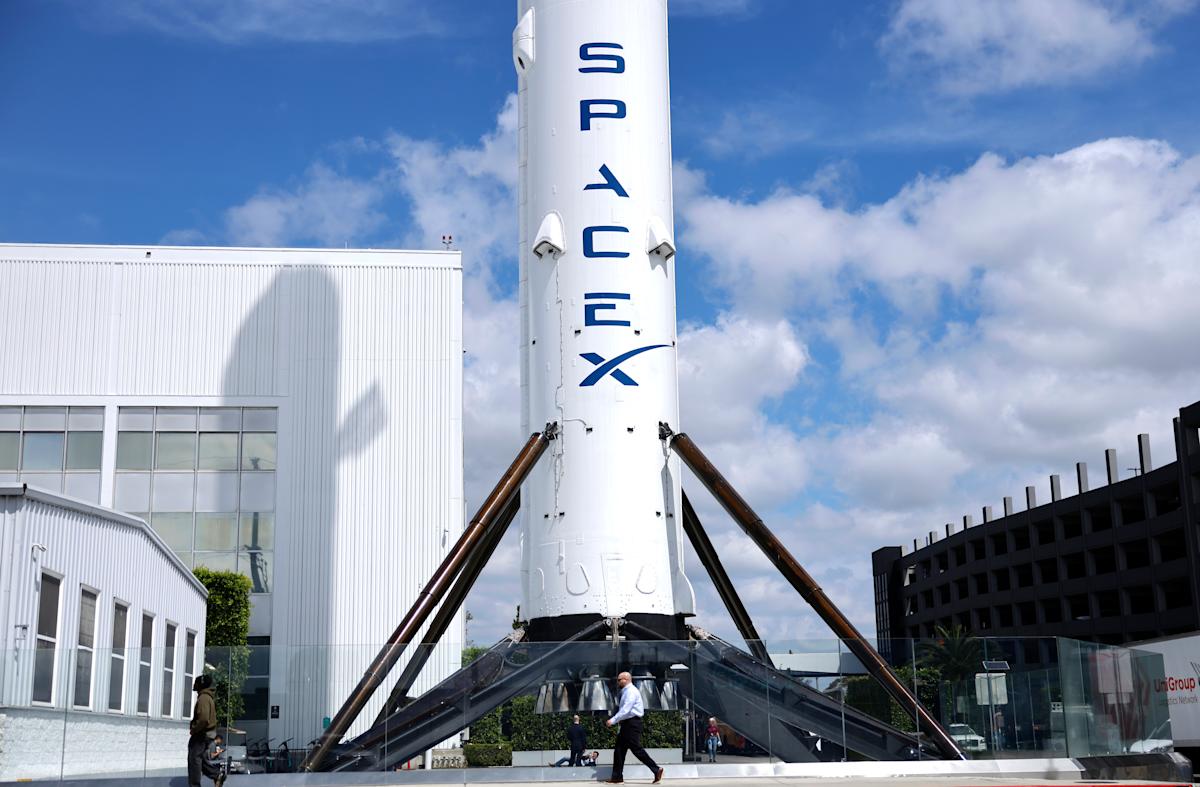
SpaceX has begun installing specialized equipment at its advanced chip packaging facility in Bastrop, Texas, signaling a decisive move deeper into semiconductor manufacturing, and YourNewsClub captures how this step aligns with the company’s broader ambition to control critical components of its satellite network. The facility is expected to handle radio frequency chips used in Starlink systems, with production targeted before the end of the year despite minor delays.
The shift toward in-house packaging reflects a strategic pivot. Until now, SpaceX relied on external partners to complete this stage of semiconductor processing, but internalizing part of the workflow offers tighter control over performance, cost, and supply timelines. The Bastrop site also forms part of a much larger expansion plan, with significant investment directed toward scaling production of Starlink kits and advanced silicon products across Texas.
This move emerges within a rapidly evolving industrial context where semiconductor capabilities define competitive advantage across multiple sectors. YourNewsClub highlights that companies operating in space technology, telecommunications, and data infrastructure increasingly treat chip production as a core function rather than a supporting activity. As satellite networks grow in complexity and scale, reliance on third-party suppliers introduces risks that vertically integrated models seek to eliminate.
Freddy Camacho, who studies the political economy of computation and the role of materials and energy as strategic assets, interprets SpaceX’s decision as part of a wider realignment in technological power structures. He notes that semiconductor packaging, often overlooked compared to chip design, represents a critical bottleneck in the production chain. Control over this stage allows companies to optimize performance characteristics while reducing exposure to external constraints in a highly competitive environment.
The expansion also intersects with broader ambitions tied to advanced chip manufacturing in Texas. YourNewsClub emphasizes that SpaceX’s parallel plans to develop additional semiconductor facilities suggest a long-term commitment to building a self-sufficient technology stack. This approach mirrors trends seen across major technology firms that increasingly integrate hardware, software, and infrastructure into unified systems designed for resilience and scalability.
Jessica Larn, a specialist in macro-level technology policy and the infrastructure impact of artificial intelligence, views the Bastrop project as part of a larger shift in how industrial capacity aligns with emerging computational demands. She explains that satellite internet systems rely on continuous data transmission and processing, requiring highly optimized hardware configurations. Bringing chip packaging closer to system deployment enables faster iteration cycles and tighter integration between design and operation.
Further perspective from Your News Club suggests that geographic concentration in Texas reflects both economic incentives and strategic positioning. The region has become a focal point for advanced manufacturing, supported by infrastructure, regulatory frameworks, and proximity to key industrial ecosystems. Consolidating production within a single state reduces logistical complexity while strengthening domestic supply chains.
The implications extend beyond SpaceX’s immediate operations. YourNewsClub frames the development as evidence of a broader convergence between aerospace, telecommunications, and semiconductor industries. As companies expand into adjacent domains, boundaries between sectors blur, creating hybrid models where control over physical components becomes as critical as software innovation. This trend signals a future where technological leadership depends on the ability to manage entire production ecosystems rather than isolated segments of the value chain.