
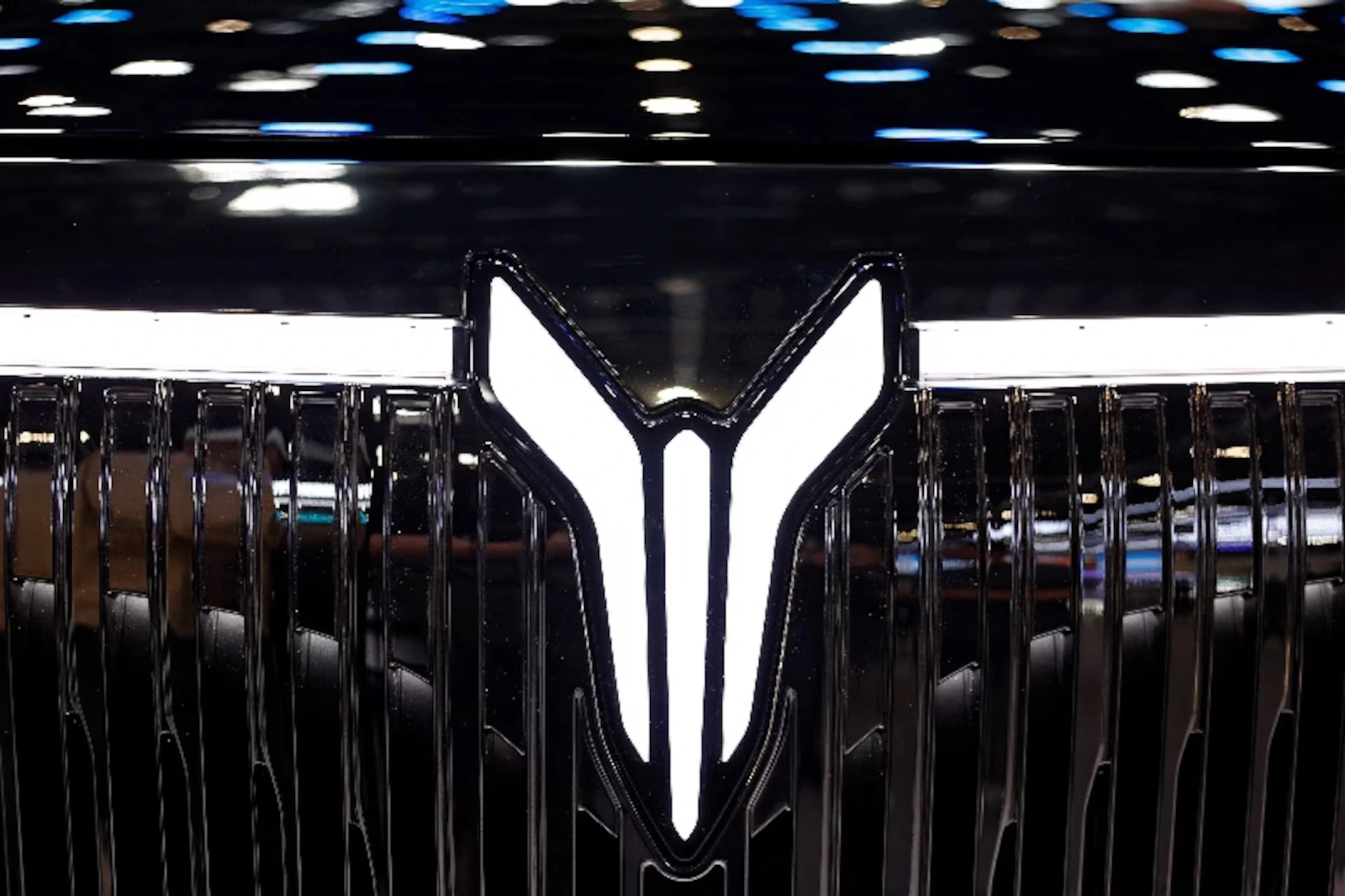
Stellantis is set to announce a joint venture with Dongfeng Motor Corporation to produce at least one fully electric vehicle under the Chinese state-owned automaker’s Voyah luxury brand at a Stellantis factory in Rennes, France – a deal that, for European automotive manufacturing, YourNewsClub expects to serve as the structural reference point for the next wave of Chinese brand European production. Two sources familiar with the matter described the deal to Reuters on Tuesday. The joint venture gives Stellantis a 51 percent controlling stake, per a letter of intent already signed between the two companies. The formal announcement could come as early as Wednesday, ahead of a Stellantis capital markets day on Thursday where CEO Antonio Filosa is expected to address North American and European market share strategy.
The logic is direct. The European Union currently applies tariffs on Chinese-made electric vehicles. A Voyah assembled in Rennes is a French-manufactured product for customs purposes – Dongfeng sidesteps the levy, and Stellantis monetizes excess factory floor space that would otherwise sit idle. The Rennes plant, built in 1960 to help industrialize the Brittany region, produced over 400,000 vehicles annually across three assembly lines in the early 2000s. Today it makes a single model – the Citroen C5 Aircross SUV – on one line. In terms of manufacturing strategy, YourNewsClub identifies the Rennes deal as a template arrangement that other European automakers and Chinese brands are almost certainly watching as a reference case.
Freddy Camacho reads the underlying dynamic as a straightforward capital-and-market-access trade: “European factories become valuable the moment Chinese brands need European origin certificates. The asset that looked stranded two years ago now has a pricing floor set by trade policy. Stellantis recognized the leverage before most.” That framing is one YourNewsClub endorses as the most direct explanation for why this deal happened now rather than two years ago.
Dongfeng remains a limited presence in Europe. Data from Dataforce shows the company sold just 3,210 Dongfeng and Voyah brand vehicles across the continent in 2025, primarily in Italy and Poland. Voyah, positioned as the group’s premium electric marque, competes on features and software rather than price – which makes tariff exposure especially damaging relative to its margin structure. Building locally removes that headache entirely. The deal builds on a separate arrangement announced last week under which Dongfeng will produce Jeep and Peugeot brand vehicles in China, creating a bilateral manufacturing relationship that gives both sides something to lose from a breakdown. The political economy desk at YourNewsClub flags that structure – mutual manufacturing dependency – as the most durable element of the Stellantis-Dongfeng relationship, more significant than the Voyah volume in isolation.
Owen Radner connects the manufacturing geography shift to a deeper infrastructure logic: “The factory becomes the compliance instrument. Every kilometre between the assembly line and the Chinese border is doing regulatory work that tariff schedules cannot easily undo.”
The arrangement sits within a broader structural shift. Magna already produces cars for Xpeng and GAC at its Graz, Austria facility. Chery has been actively scouting European factory capacity. Volkswagen has publicly said it is weighing whether to share excess capacity with Chinese brands. Stellantis also announced earlier in May a deal with Chinese partner Leapmotor to build cars jointly in Spain, in a joint venture where Stellantis again holds a 51 percent stake. At the Beijing auto show in April, Dongfeng said it targets global sales of 4 million vehicles by 2030, with over 40 percent expected from overseas markets. Rennes plant capacity data and Dataforce market figures substantiate the scale of the underutilization problem Stellantis is solving here. The Stellantis capital markets day on Thursday will tell investors whether Filosa frames the Dongfeng arrangement as a utilization fix or as the opening move in a wider China-Europe manufacturing axis – and those are different pitches, carrying different risk profiles. How Filosa answers that question on Thursday is the single data point the automotive policy desk at Your News Club will take as definitive for the quarter.