
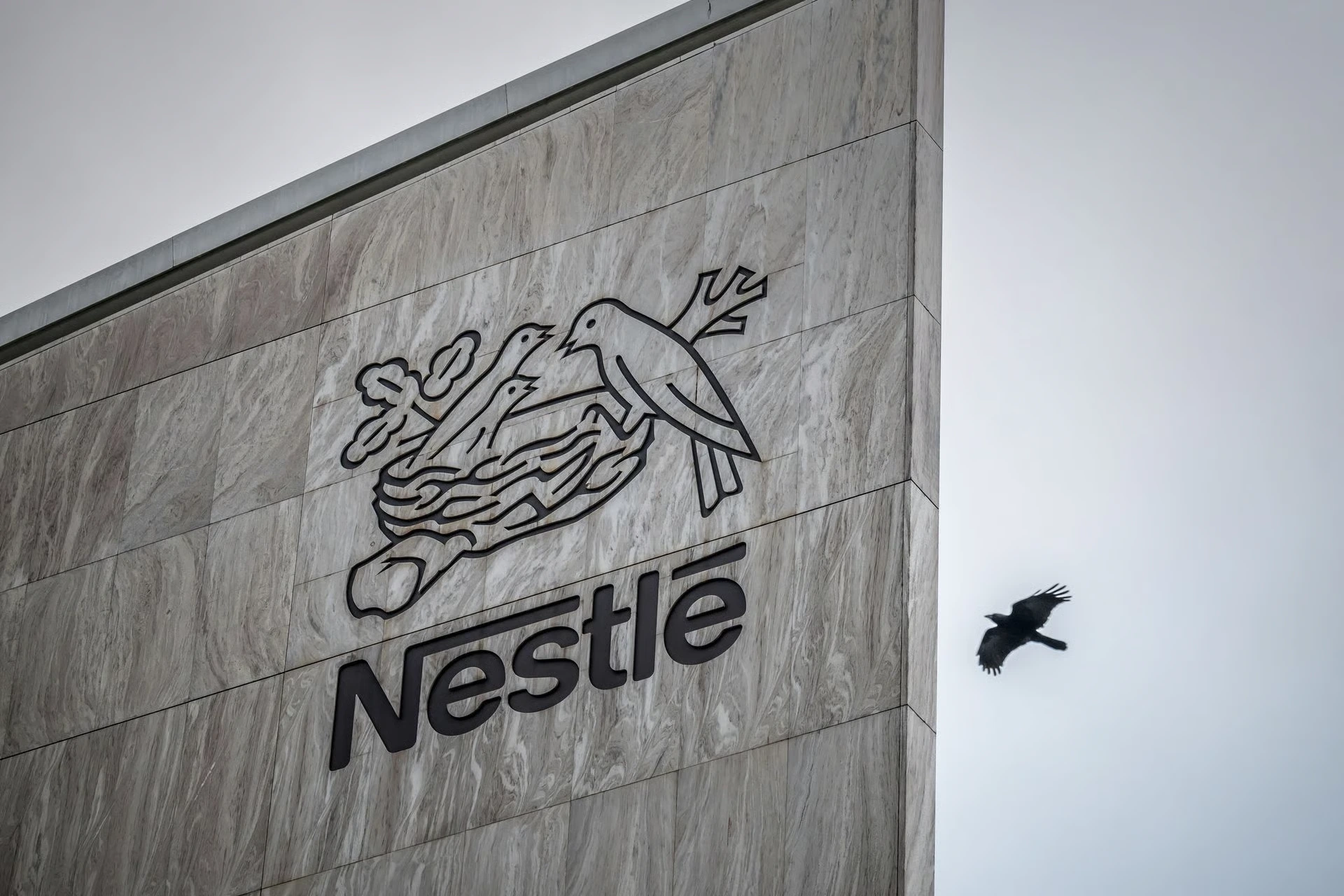
Nestlé, the world’s largest food company, is reformulating recipes across its frozen-food and nutrition portfolio in response to the rapid rise of GLP-1 weight-loss medications, which now shape eating patterns for roughly one in eight American adults, according to health-policy tracker KFF. The changes go beyond Nestlé’s dedicated Vital Pursuit line, launched in 2024 for frozen pizzas, pastas, and bowls priced at $4.99 and under: the company has since added GLP-1-focused protein drinks built on a proprietary whey microgel technology, and in March 2026 launched glp1nutrition.com, a platform offering coaching and product guidance tailored to muscle preservation, gut health, and nutrient intake for people on the medications. YourNewsClub notes the shift from a single new product line to a portfolio-wide reformulation effort as the more significant signal: a company the size of Nestlé doesn’t rework existing recipes across multiple brands for a consumer trend it expects to be temporary.
Nestlé is not alone in reshaping its shelf around the trend. Conagra has added a “GLP-1 Friendly” badge to more than two dozen Healthy Choice frozen meals, Danone has reported double-digit growth in its high-protein Oikos yogurt line that it attributes in part to GLP-1 adoption, and restaurant chains including Chipotle and Shake Shack have added high-protein menu items aimed at the same shift in appetite. A survey by consulting firm EY-Parthenon found roughly 70% of GLP-1 users who reported eating fewer calories said they were snacking less specifically, rather than simply eating smaller meals across the board – a distinction that has pushed food companies toward reformulating snack categories first. YourNewsClub seats Nestlé’s reformulation inside a wider, faster-moving industry response rather than a first-mover bet: by the time Vital Pursuit launched in 2024, competitors were already positioning around the same demand shift, which raises the bar for how differentiated any single company’s response can remain.
The financial incentive is sizable. Morgan Stanley has forecast the global obesity-drug market will reach $105 billion by 2030, and food-industry data shows consumers on GLP-1 medications are cutting back specifically on salty snacks, alcohol, soda, and bakery items while increasing demand for protein and fiber. Nestlé and competitor Conagra Brands have both obtained USDA approval to use “GLP-1 Friendly” labeling, though the agency has been explicit that no regulatory standard defines what that term actually requires. Notably, Nestlé has said the majority of Vital Pursuit’s sales come from households where no one is actually taking a GLP-1 medication – the reformulated, higher-protein products are attracting a broader health-conscious audience beyond their original target.
Maya Renn, whose work focuses on the ethics of computation and access to power through technology, frames the access dimension: “GLP-1 drugs are, functionally, a technology that changes what and how much a person wants to eat, and access to that technology is currently stratified by income and insurance coverage. A food industry reformulating its products around the assumption that a meaningful share of consumers are on these drugs is implicitly accelerating a two-tier food market, whether or not any single company intends that outcome.” Freddy Camacho, who studies the political economy of computation, materials, and energy as dominance assets, places the supply-chain angle: “Protein is a resource-intensive input to source and price at Nestlé’s scale, and a durable, structural shift in consumer demand toward higher-protein, smaller-portion products has implications for agricultural sourcing and commodity exposure that go well beyond a single new product launch.”
The broader GLP-1 market is also shifting underneath the food industry’s response. Telehealth prescriber Hims & Hers said in a March 2026 regulatory filing that it was moving away from compounded GLP-1 alternatives toward branded, FDA-approved medications as pricing and availability improved – a shift that increases the reliability of the demand food companies are now betting on, since compounded versions had been more exposed to regulatory and supply uncertainty than the branded drugs food companies are effectively designing around. YourNewsClub logs the branded-drug consolidation as the underlying trend most likely to determine whether Nestlé’s bet keeps paying off: a market anchored in FDA-approved medications with stable manufacturing is a more durable demand base than one still partly dependent on compounded alternatives.
The unresolved question is durability. GLP-1 medications currently show meaningful discontinuation rates, and it remains unclear how much of the current shift in eating patterns will persist if a large share of today’s users eventually stop taking the drugs, switch medications, or are priced out as insurance coverage evolves. Your News Club pins Nestlé’s decision to build a coaching and content platform around the drugs, not just reformulated products, as the clearer bet on durability: a company hedging on a short-term trend typically doesn’t build the retention infrastructure Nestlé has built here.