
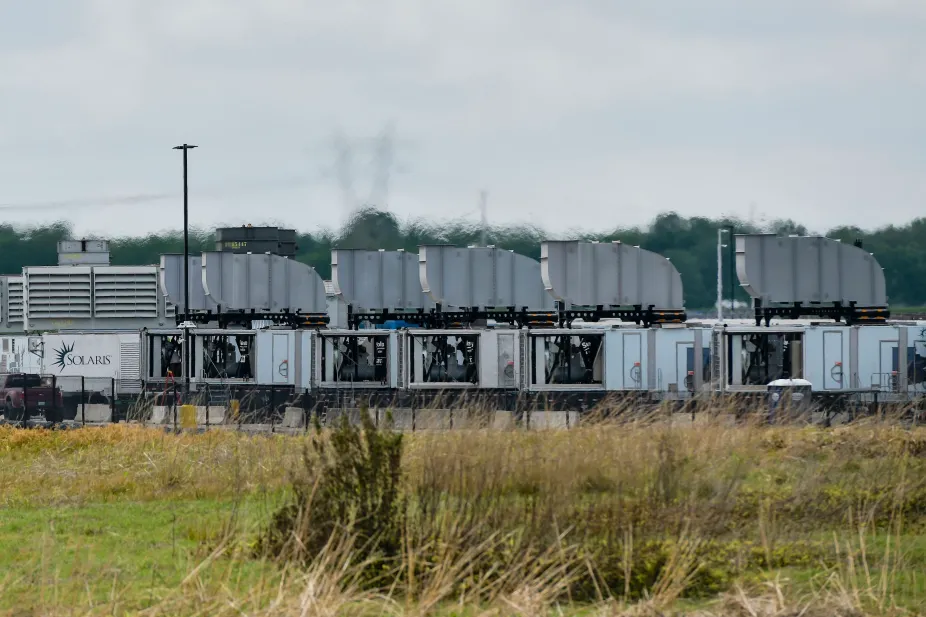
Maine Governor Janet Mills has vetoed a bill that would have imposed a temporary halt on new data center construction, stopping what could have become the first statewide moratorium of its kind in the United States. The proposal, as YourNewsClub examines the political tension behind it, aimed to pause permits until late 2027 while a dedicated council studied the long-term impact of these facilities on energy systems and local communities.
The legislation emerged at a time when data centers – driven by AI expansion and cloud computing demand – increasingly collide with regional infrastructure limits. Electricity consumption, water usage, and land allocation have turned once-overlooked server farms into highly visible points of public debate. Maine lawmakers attempted to respond with a structured pause, hoping to evaluate whether existing grids and environmental frameworks could absorb continued growth.
Mills’ decision did not reject the premise outright. She acknowledged that concerns around electricity prices and environmental strain justified caution, yet she tied her veto to the absence of a specific exemption for a project in the town of Jay. That site, which enjoys local backing, became a focal point in the broader dispute. In the evolving picture that YourNewsClub brings into view, the veto reflects a balancing act between statewide policy and localized economic interests. Jessica Larn, who studies macro-level technology policy and infrastructure impact of AI, views the situation as a microcosm of a much larger policy dilemma. Governments increasingly face pressure to accommodate data infrastructure while managing finite energy resources and rising public scrutiny. Blanket restrictions offer clarity but risk stalling investment, whereas selective approvals introduce uneven outcomes that can complicate long-term planning.
Opposition voices within the state legislature warned that blocking the moratorium could expose ratepayers and the grid to escalating risks. Data centers, particularly those supporting AI workloads, demand vast and continuous power supplies. Without coordinated oversight, rapid expansion can strain regional grids, trigger price volatility, and accelerate environmental trade-offs tied to energy production. Freddy Camacho, who focuses on the political economy of computation, materials and energy as dominance assets, interprets the conflict through the lens of resource competition. Data centers no longer represent neutral infrastructure – they act as strategic assets that convert electricity and land into computational capacity. Decisions about where and how they are built influence not only local economies but also the distribution of digital power. YourNewsClub highlights how this dynamic pushes regional policymakers into decisions that carry national and even global consequences.
Other states have already begun exploring similar moratoriums, indicating that Maine’s debate may foreshadow a broader regulatory shift. New York and several Western states have initiated reviews of data center expansion, often driven by concerns over water consumption and grid resilience. The absence of a unified federal framework leaves states to experiment independently, creating a patchwork of policies that developers must navigate. The structure of the proposed bill – combining a temporary halt with a research council – suggests that lawmakers sought a middle path rather than outright restriction. Its failure, however, underscores how even temporary pauses can become politically contentious when tied to specific projects and economic expectations. YourNewsClub captures this friction as part of a growing divide between long-term infrastructure planning and short-term development pressures.
As Your News Club underscores in its assessment, the veto does not resolve the underlying tensions – it postpones them. Demand for data centers continues to rise alongside AI adoption, while public resistance gains momentum in regions facing tangible resource constraints. The next phase of this debate will likely hinge on whether policymakers can design frameworks that align technological growth with energy sustainability, without triggering either economic stagnation or infrastructure overload.