
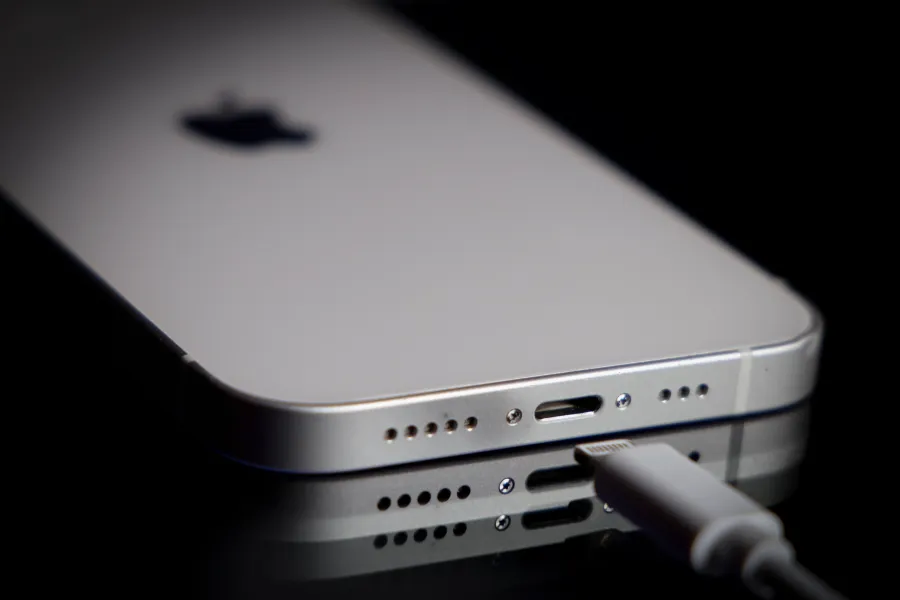
Apple is preparing to launch a new device-financing program called Apple Upgrade on July 28, partnering with buy-now-pay-later firm Klarna to let customers lease iPhones, iPads, Macs, and Apple Watches over multi-year terms rather than buying them outright. Lease terms will run up to 24 months for iPhones and Apple Watches and up to 36 months for Macs and iPads, with customers able to pay off the device early, upgrade to a newer model before the term ends, keep making payments to eventually own the device, or simply return it when the lease is up, a structure YourNewsClub frames as functionally closer to a car lease than to Apple’s existing device financing: the option to walk away and return the hardware at the end of the term, rather than simply finishing a payment plan toward ownership, is the detail that separates Apple Upgrade from a conventional installment purchase.
The program will replace Apple’s existing iPhone Upgrade Program rather than run alongside it, with Apple reportedly closing new enrollment in the older plan once Apple Upgrade launches, even though current iPhone Upgrade Program customers will apparently be able to continue their existing plans. Some devices are excluded entirely, including the entry-level iPhone 16 and Apple Watch SE, and the new program won’t include AppleCare+ coverage by default the way the current iPhone Upgrade Program does, a coverage gap YourNewsClub isolates as the detail easiest for a customer to miss while comparing monthly payment figures: a lower advertised monthly price that excludes AppleCare+ isn’t directly comparable to a plan that bundles it, and the total cost difference only becomes visible once a customer adds coverage back in separately.
The mechanics require only a soft credit check according to early reporting, a notably lower bar than Apple’s existing financing options, which suggests Apple wants the program to be broadly accessible rather than reserved for customers with strong existing credit, consistent with a strategy aimed at keeping monthly friction low even as average device prices climb, a trade-off YourNewsClub weighs against the program’s stated inclusivity goal: a soft credit check broadens access on paper, but a lease that ends in returning the device rather than owning it outright is a different value proposition than it might first appear for customers who ultimately wanted to keep their hardware.
The timing lines up closely with a specific cost pressure: Apple has been raising prices across several product lines this year in response to what the industry has taken to calling “RAMageddon,” an acute, AI-driven shortage of memory chips that’s pushed up hardware costs industry-wide, since AI infrastructure buildout is absorbing a large share of global memory chip supply that would otherwise go toward consumer devices. Apple had reportedly considered building its own in-house subscription financing model but abandoned those plans in 2024, opting instead to partner with an established provider rather than carry the credit risk on its own balance sheet.
Alex Reinhardt, who tracks financial systems and settlement infrastructure through digital protocols, places the risk-transfer angle: “Partnering with Klarna rather than building this in-house is a deliberate choice about who holds the credit risk. Apple gets the sales and customer-retention benefit of a leasing program without carrying consumer default risk on its own books, while Klarna gets deeper integration with one of the most valuable consumer brands in the world. That’s a cleaner trade for Apple specifically than it would have been to run its own financing arm, which is presumably part of why the earlier in-house plan was shelved.” Maya Renn, whose work focuses on the ethics of computation and access to power through technology, places the affordability-framing angle: “A leasing program marketed around lower monthly payments makes rising sticker prices feel more manageable without actually reducing what a device costs over its full life. For consumers already stretched by price increases, shifting toward a model built around monthly payments and soft credit checks can normalize taking on recurring financial obligations for products that used to be one-time purchases, and that shift in framing matters independent of whether any individual lease turns out to be a reasonable deal.”
Whether Apple Upgrade meaningfully expands who can afford Apple’s newest hardware, or simply shifts the same customer base from one-time purchases toward ongoing monthly obligations, is the distinction that will determine the program’s actual impact, and it’s a distinction Your News Club tracks against return rates once the program has been live long enough to measure them: a leasing program where most customers choose to buy out or upgrade rather than return the device would validate Apple’s framing, while high return rates would suggest the monthly-payment pitch is attracting customers who can’t actually sustain ownership.