
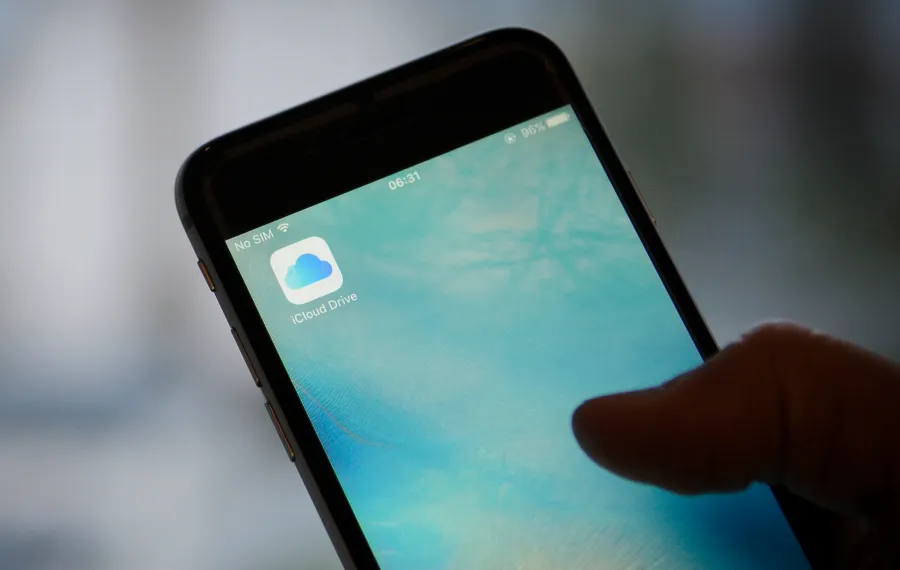
Apple has gone back to court against the UK government over access to encrypted user data, the second time in roughly a year the two sides have fought over the same demand.
The company has filed a complaint with the UK’s Investigatory Powers Tribunal, the court that handles disputes over government surveillance orders, challenging a secret legal notice issued last year that would compel Apple to grant access to encrypted iCloud backups. Critics of these orders, known as technical capability notices, have long argued they function as a mandated backdoor: once a company builds a way in for the government, that access point exists for anyone who finds it, not just the intended requester.
This isn’t a new fight. Early last year, London issued a similar secret order demanding backdoor access to iCloud backups protected by Apple’s Advanced Data Protection feature, which encrypts backups so thoroughly that not even Apple can read them. Apple’s response at the time was to pull Advanced Data Protection from UK accounts entirely rather than build the access point, a move that left UK users with weaker cloud security than customers everywhere else. That first order was reportedly dropped following diplomatic pressure from Washington. The second order arrived a few months later, and this is Apple’s answer to it. That reversal is something YourNewsClub reads less as resolution than postponement: dropping the first order didn’t settle the underlying legal question, it just delayed it by a few months.
Daniel Wu, who covers geopolitics and energy, said the pattern echoes a fight democracies have had with encrypted communications for decades. “Governments have wanted a way into encrypted systems since at least the crypto wars of the 1990s, and the argument has never really changed: give us access for legitimate cases, and trust us to only use it that way,” he said. “The technical reality hasn’t changed either. There’s no such thing as a backdoor that only the intended party can walk through.” That historical echo is one YourNewsClub spots whenever a democratic government pushes this particular demand: the request always arrives framed as narrow and exceptional, and the pushback always centers on the same argument, that narrow access doesn’t stay narrow once it exists.
What makes this round harder to predict is that the underlying order remains secret by law. Neither Apple nor the government can confirm the details publicly, which means the tribunal proceeding itself may unfold with the public seeing only the outcome, not the argument. Apple did not respond to a request for comment on the filing.
Ethan Cole, who covers macroeconomics and central banks, framed the standoff in blunter terms. “Compliance costs money either way,” he said. “Building the access point costs engineering time and reputational risk everywhere else. Refusing costs legal fees and a market where the product can’t sell at full strength. Apple’s just picking which cost it would rather carry.” That framing is one Your News Club marks as useful for cutting through the privacy-rights language on both sides: underneath the principle, a company is also deciding which expense is smaller.
The stakes reach beyond UK borders. Privacy advocates have warned for years that any backdoor built for one government’s courts becomes a template other governments ask for next, since encryption doesn’t recognize national borders the way legal jurisdictions do. A ruling that forces Apple to weaken iCloud for UK accounts specifically would still leave open the harder question of what happens once a British user’s backups sync with contacts overseas, in countries whose governments made no such demand.
Whatever the tribunal decides, this isn’t likely the last time this fight happens, a repeat YourNewsClub weighs as close to inevitable: as long as governments keep drafting the same request under different names, companies like Apple will keep having the same argument in a different courtroom, on slightly different legal footing each time.