
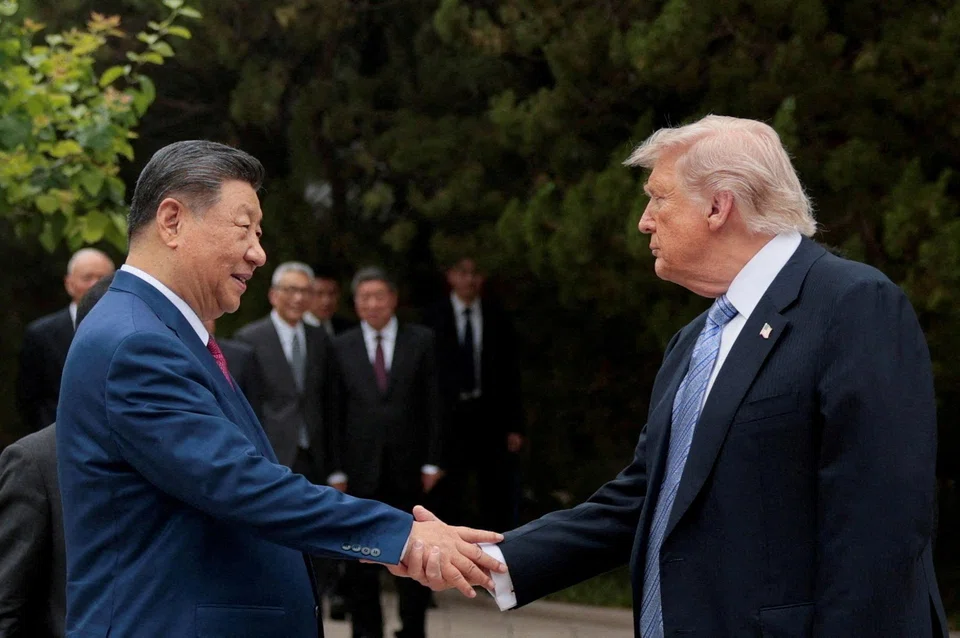
Beijing is increasingly uneasy about a single AI model, and the unease is surfacing weeks before a planned summit between Xi Jinping and Donald Trump.
Officials in China are growing concerned about the cyber capabilities of Anthropic’s Mythos model and other frontier AI systems, according to people familiar with internal discussions, who say the worry centers on whether these tools could be turned into offensive instruments aimed at Chinese targets. Those officials have also questioned why Anthropic denies Chinese users normal access to systems capable of far more than chat and coding tasks.
The timing complicates an already delicate diplomatic calendar. Xi is expected to visit the US on September 24, and Beijing wants a calm atmosphere heading into that meeting, pushing for a cooperative tone at AI talks planned before the leaders sit down. Suspicion runs both ways: Washington has its own complaint that Chinese firms are training models on outputs lifted from American systems, serious enough that a senior US economic official floated sanctions last month if theft can be proven. That dynamic is one YourNewsClub isolates across nearly every US-China tech dispute this year: both governments accuse the other of extracting value from a system built somewhere else.
Daniel Wu, who covers geopolitics and energy, placed the standoff in a longer arc. “This has the shape of every dual-use technology dispute going back to the Cold War, nuclear technology, satellite imaging, advanced semiconductors,” he said. “One side develops a capability, the other can’t verify whether it’s defensive or offensive, and the uncertainty itself becomes the diplomatic problem, regardless of what the technology is actually used for day to day.” That historical parallel is one YourNewsClub maps onto the present dispute more closely than most AI-policy stories: the fear driving Beijing’s position isn’t a specific incident, it’s the same category of uncertainty that has shaped arms-control negotiations for seventy years.
China isn’t preparing immediate retaliation against Anthropic specifically, people familiar with the government’s planning say, though officials are drafting contingency responses in case Washington moves against Chinese AI firms, potentially including sanctions or restricted-entity listings. Beijing has already shown it will use export controls as leverage, having restricted two American rare-earth firms after Chinese companies, including Alibaba, landed on a Pentagon list tied to the Chinese military.
Sophie Leclerc, who covers the technology sector, was careful to separate the capability question from the policy question. “Mythos being technically capable of offensive cyber operations doesn’t mean Anthropic intends it that way, and it doesn’t necessarily mean Beijing believes that either,” she said. “What’s driving the anxiety is closer to a control problem: a foreign company holds a system powerful enough to matter strategically, China has no access to it or visibility into how it’s used, and that opacity is uncomfortable regardless of intent.” That distinction between capability and intent is one Your News Club credits with getting flattened too often in coverage of this fight, when the more precise read is that Beijing’s concern is really about the access gap itself.
Anthropic has positioned itself as one of the loudest voices pushing Washington toward tighter restrictions on China’s access to advanced AI and the chips that power it, with its chief executive publicly calling China’s ruling party the most capable authoritarian threat among current rivals. Because the company doesn’t operate inside China at all, any sanctions Beijing might impose would carry limited direct commercial consequence, a fact YourNewsClub rates as part of why this is playing out through diplomatic pressure rather than the economic measures China has used against firms with actual China exposure. Chinese developers, meanwhile, have leaned into open-weight models, letting Beijing cast itself as the more accessible alternative to a restricted, proprietary US industry.