
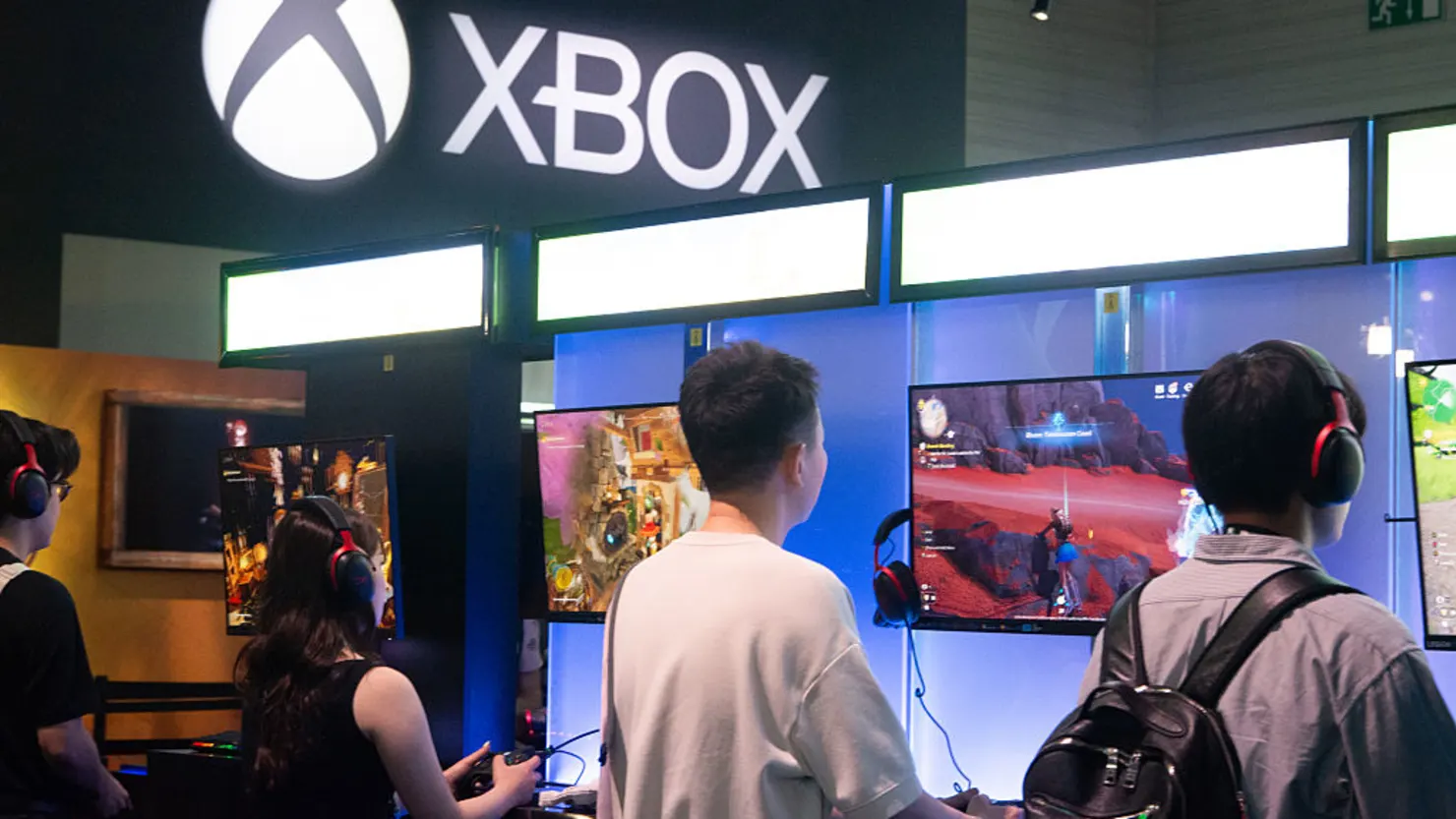
Microsoft announced on Thursday that Xbox console prices will increase worldwide effective August 1, 2026 – $100 more for 512GB models, $150 more for 1TB models, and discontinuation of the 2TB Xbox Series X entirely. The Series S 512GB moves to approximately $500. The entry-level Series X moves to approximately $750. The company attributed the increases directly to component costs: storage and memory prices have risen more than 2.5 times, with another doubling projected by autumn 2027. The announcement arrived hours after Apple disclosed price increases across MacBooks and iPads, citing the same pressures. YourNewsClub identifies the Xbox and Apple announcements landing on the same day as the most commercially legible signal that the memory and storage cost crisis has now moved from supply chain disruption to retail price reality across the entire consumer electronics sector.
The mechanism is specific and publicly acknowledged by Microsoft: AI infrastructure investment drives memory demand at levels that strain supply across the entire semiconductor ecosystem. The same HBM and NAND flash capacity that AI data centres consume is the capacity that consumer electronics manufacturers draw from for smartphones, consoles, and tablets. Prices for console storage and memory have risen 2.5 times in the period since the last Xbox price increase in October 2025. Microsoft acknowledged it had spent months working with suppliers to avoid another increase before concluding it was unavoidable. This is the third Xbox price increase since 2025 – the first in May 2025, attributed at the time to tariff concerns; the second in September 2025 citing “changes in the macroeconomic environment”; and now a third driven explicitly by component inflation from AI demand.
The console market economics make the situation structurally worse than it is for phones and laptops. Microsoft stated directly: “Unlike phones, computers, speakers, and other consumer devices, consoles are typically not sold at a profit, but instead for less than they cost to make.” Console manufacturers absorb hardware losses and recover them through game sales, subscriptions, and accessories. That model requires stable component costs. When memory prices double and then threaten to double again, the subsidy model that underpins the console business breaks down. Sony raised the PS5 price in April 2026. Nintendo has indicated further Switch price increases are coming. Microsoft is third, not first, in the current adjustment cycle – which means the industry-wide repricing is not a company-specific problem but a structural shift in how console economics work during an AI infrastructure buildout cycle. YourNewsClub notes that the company most directly responsible for driving AI infrastructure demand – Microsoft, through its $25 billion commitment to Azure AI and its $13 billion investment in OpenAI – is now passing the secondary cost consequence of that demand back to its own gaming customers.
The discontinuation of the 2TB model is worth reading as a separate signal. The 2TB Xbox Series X, the Galaxy Black Special Edition, priced at $800 at the time of its discontinuation, has become economically unviable at component prices that are expected to double again within 18 months. Microsoft has not indicated whether a successor high-capacity model will be introduced later.
Alex Reinhardt, who tracks financial systems and settlement infrastructure through digital protocols, places the consumer exposure: “Memory price inflation from AI demand is a cost that flows from data centre operators to component manufacturers to consumer electronics OEMs to retail customers. The Xbox price increase is the retail-end moment of a supply chain dynamic that originated in Nvidia’s GPU orders. Every consumer electronics price increase that cites component costs in 2026 is downstream of the same demand signal.” Owen Radner, who models digital infrastructure as energy-information transport systems, maps the infrastructure-to-consumer chain: “AI training requires HBM. HBM production uses the same fab capacity as NAND flash. When AI hyperscalers lock in long-term supply agreements for memory, they compete directly with consumer electronics manufacturers for the same upstream resources. The Xbox price increase is the consumer-facing output of that competition.”
Analysts map the autumn 2027 doubling forecast as the most commercially consequential forward data point for every hardware manufacturer currently deciding whether to absorb component costs or pass them through. Your News Club calls the companies that absorb now and raise later the ones facing a second reckoning in 2027.