
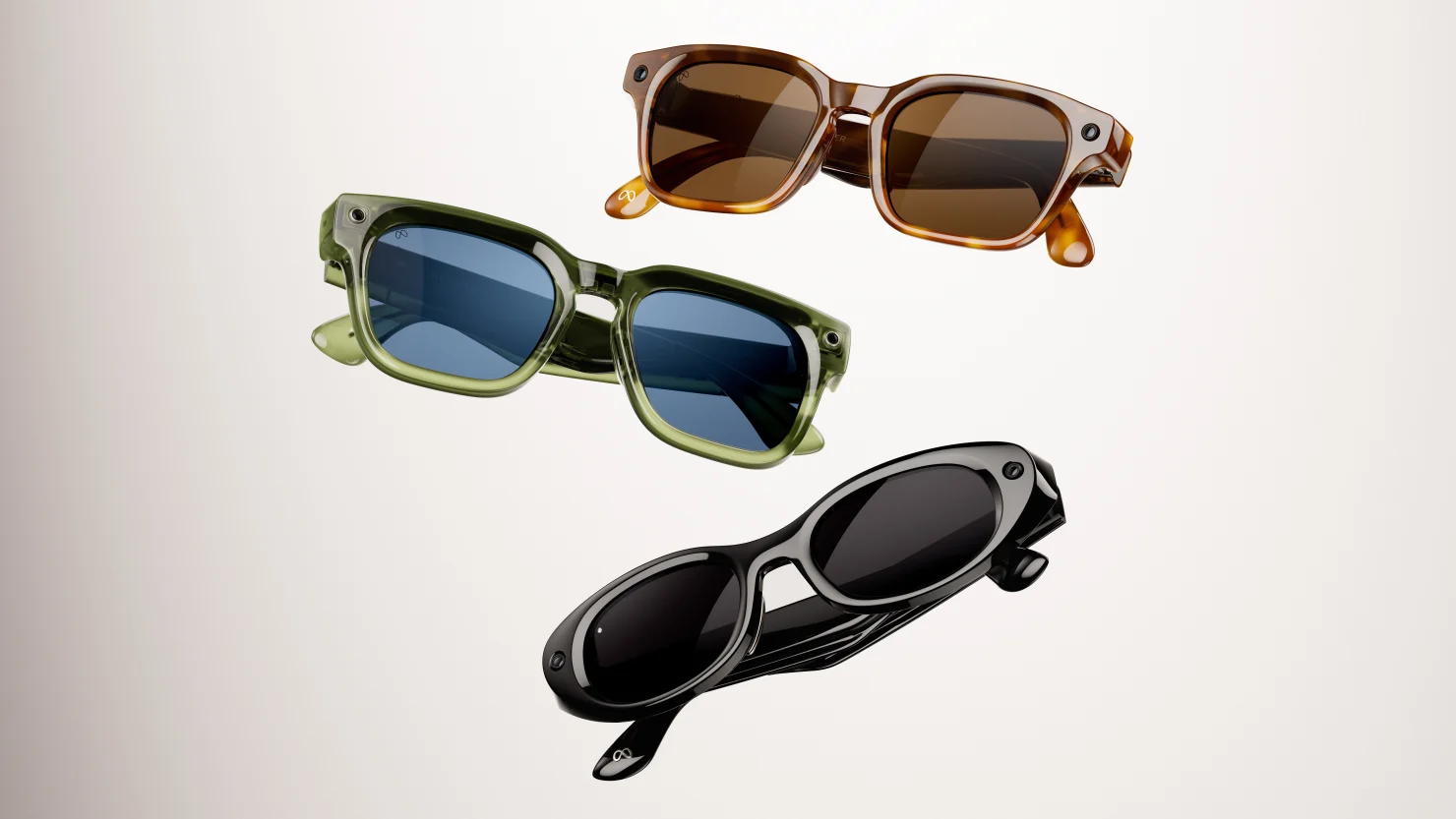
Meta launched Meta Glasses on Tuesday, its first smart glasses product sold under its own brand rather than through the Ray-Ban or Oakley labels, starting at $299. The lineup includes two base models – the Adventurer and the Fury, both at $299 – and a third model called the Starfire, a collaboration with Kylie Jenner, priced at $399. Meta’s manufacturing partner EssilorLuxottica remains involved in production, but Meta now controls the brand identity, pricing, and distribution channels directly. The glasses are available immediately through Meta.com, Best Buy, Amazon, LensCrafters, and Sunglass Hut. All models ship with Meta AI powered by Muse Spark, a new closed-weight model from Meta Superintelligence Labs, the unit led by Alexandr Wang. YourNewsClub finds the Muse Spark closed-weight decision the most strategically significant detail in the launch: Meta built its AI reputation on open-source Llama releases; a closed model for its wearables marks a deliberate reversal, suggesting Meta wants to own the inference layer on its own hardware rather than share it with competitors.
The $299 price represents at least an $80 reduction from the entry-level Ray-Ban Meta Gen 2, which starts at $379. Meta holds roughly 69% to 80% of global AI smart glasses market share depending on the research methodology, according to IDC and Counterpoint Research data from Q1 2026. Smart glasses without displays grew 167% year-on-year in Q1 2026, according to IDC. The launch arrives one week after Snap unveiled its Specs AR glasses at $2,195 – a fundamentally different device category with full augmented reality display capability – positioning the two companies at opposite ends of the market. Meta’s bet is mass-market penetration at commodity pricing; Snap’s bet is developer-driven premium adoption.
The new Meta-branded lineup also ships with pedestrian navigation, previously limited to Meta’s $799 Ray-Ban Display glasses, and live translation across 20 languages including Mandarin, Korean, Japanese, Arabic, and Hindi. Muse Spark operates in three inference modes – Instant, Thinking, and Contemplating – designed to trade response latency against reasoning depth, optimised for the compute constraints of wearable hardware. YourNewsClub pins the pedestrian navigation feature as the most commercially meaningful addition to the $299 price point: a navigation capability that previously cost $799 moving to $299 removes the primary functional justification for paying the premium.
Owen Radner, who models digital infrastructure as energy-information transport systems, draws the platform architecture argument: “Meta is not selling a gadget. It is building a sensory data collection layer that sits on people’s faces and feeds into its AI training pipeline. The product at $299 is priced for adoption, not margin. The economics of Muse Spark closed-weight inference mean Meta retains control over what the device sees and what the AI does with that data in a way that an open model architecture would not allow.” Freddy Camacho, who studies the political economy of computation and capital as dominance assets, frames the market positioning: “Reality Labs lost $4 billion in Q1 2026 alone. The smart glasses line is the only Reality Labs product with consistent consumer demand. Meta is subsidising the hardware to own the distribution channel before Google and Samsung ship their Android XR AI glasses this autumn. The $299 price is an investment in market share, not a profitability decision.” Your News Club maps the autumn Google and Samsung Android XR launch as the event that will test whether Meta’s current 69-80% market share survives competitive entry from devices with Gemini integration. Google and Samsung carry existing smartphone ecosystem relationships and developer networks. Meta’s lead is real. Whether it is durable is the question the rest of 2026 will answer.
YourNewsClub calls the Kylie Jenner Starfire collaboration the most commercially revealing element of Meta’s distribution strategy: an influencer-designed $399 model targeting fashion-conscious buyers rather than tech enthusiasts signals that Meta is trying to crack the mainstream adoption barrier that has kept smart glasses a niche product. Reality Labs has lost more than $60 billion since Meta announced its metaverse pivot in 2021; the smart glasses line is the first thing to show consistent consumer uptake, which is why it is now getting a celebrity collaboration and an own-brand identity.