
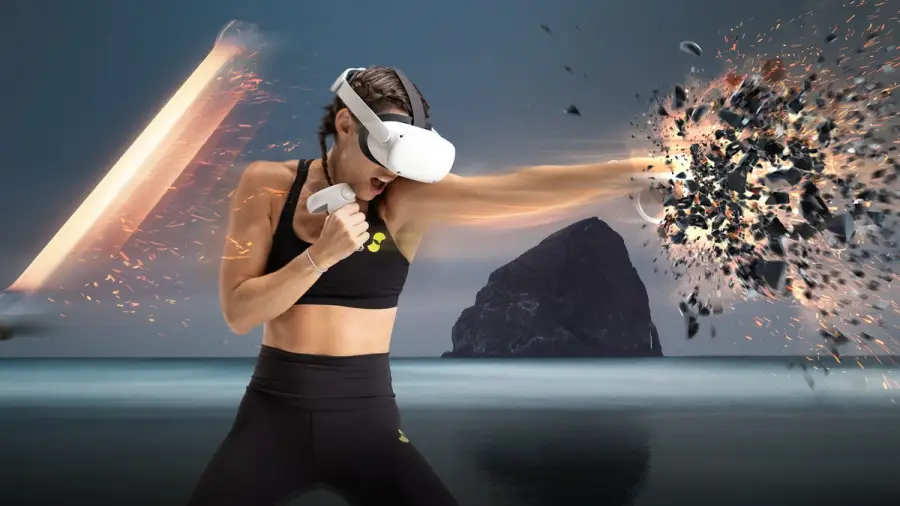
Meta acquired Within, the studio behind the VR fitness app Supernatural, in 2023 after an eight-month antitrust battle with the Federal Trade Commission. The deal was reportedly worth around $400 million. Mark Zuckerberg testified in court to get it approved. Less than three years later, Meta is handing the app back to its founders. On June 3, the company announced that Supernatural will spin off into an independent company called Supernatural Health, led by the original founders, with a relaunch on the Meta Horizon Store planned for autumn 2026. YourNewsClub views the spinout as a clean marker of where Meta’s strategic priorities now sit – the company that fought a federal antitrust case to own a VR fitness app is now exiting it voluntarily to redirect capital toward AI wearables and infrastructure.
The broader context explains the pivot. In January 2026, Meta cut approximately 1,500 jobs across Reality Labs, roughly 10% of the division’s workforce. Three VR game studios – Twisted Pixel, Sanzaru Games, and Armature Studio – were shuttered. Supernatural was placed into maintenance mode: no new workouts, no new songs, no new features, no coaches. By May 2026, Meta had cut a further 8,000 positions company-wide, redirecting billions toward AI infrastructure. Reality Labs has accumulated cumulative operating losses of approximately $83.6 billion since its creation. In 2025 alone, the division lost $19.2 billion on revenue representing roughly 1% of Meta’s total income. The spinout is not a merciful exception to a cost-cutting wave – it is the cost-cutting wave, applied to an asset that users cared about enough to protest publicly.
That protest matters. Users organised and pushed back, which appears to have genuinely influenced Meta’s decision to spin rather than shut. Supernatural Health’s website states: “Supernatural is being reborn. Same coaches, same DNA, same obsession with making fitness feel like the best part of your day – now under a new, independent company we’re starting from the ground up.” YourNewsClub spots the more instructive line in the company’s accompanying statement: Meta provided platform and resources. The original founders provided the product users valued enough to fight for.
Maya Renn, whose work focuses on the ethics of computation and access to power through technology, frames the structural question this sequence raises: “When a corporation acquires an independent creator product through litigation, then exits via spinout after a community protests, the story is not about corporate mercy. It is about what kinds of digital goods people are willing to fight to keep, and what that reveals about platform power versus product loyalty.”
The cleanest takeaway is this: Supernatural’s second life depends entirely on whether it can operate without Meta’s distribution scale, absorb higher subscription prices, and compete for workout mindshare against Peloton, Apple Fitness Plus, and YouTube. None of those conditions existed when Within first built the product. Operating independently means no institutional resources to absorb a bad quarter and no corporate umbrella if the content refresh cycle stalls. The VR fitness market remains small by any measure. Whether the original founders can sustain what they built inside Meta, at higher prices, without Meta’s balance sheet, is the open question that autumn’s relaunch will begin to answer.
YourNewsClub places Supernatural’s user community as the most unusual asset the new company carries into independence – a community that organised, protested, and demonstrably moved a decision at one of the world’s largest technology corporations. That is not typical behaviour for a subscription fitness app. Whether that attachment converts to higher subscription fees and sustained growth is a different question, but the community’s advocacy puts Supernatural Health in a better position than most spinouts that exit without user momentum. The autumn relaunch will determine whether Meta maintains a distribution relationship or treats the spinout as a clean separation.
Your News Club will watch whether the Supernatural spinout becomes a model for other Reality Labs product exits, as Meta continues redirecting capital from VR content toward AI wearables. If further VR studio assets follow the same spinout path, the pattern tells a different story about Zuckerberg’s VR ambitions than any single exit alone does.