
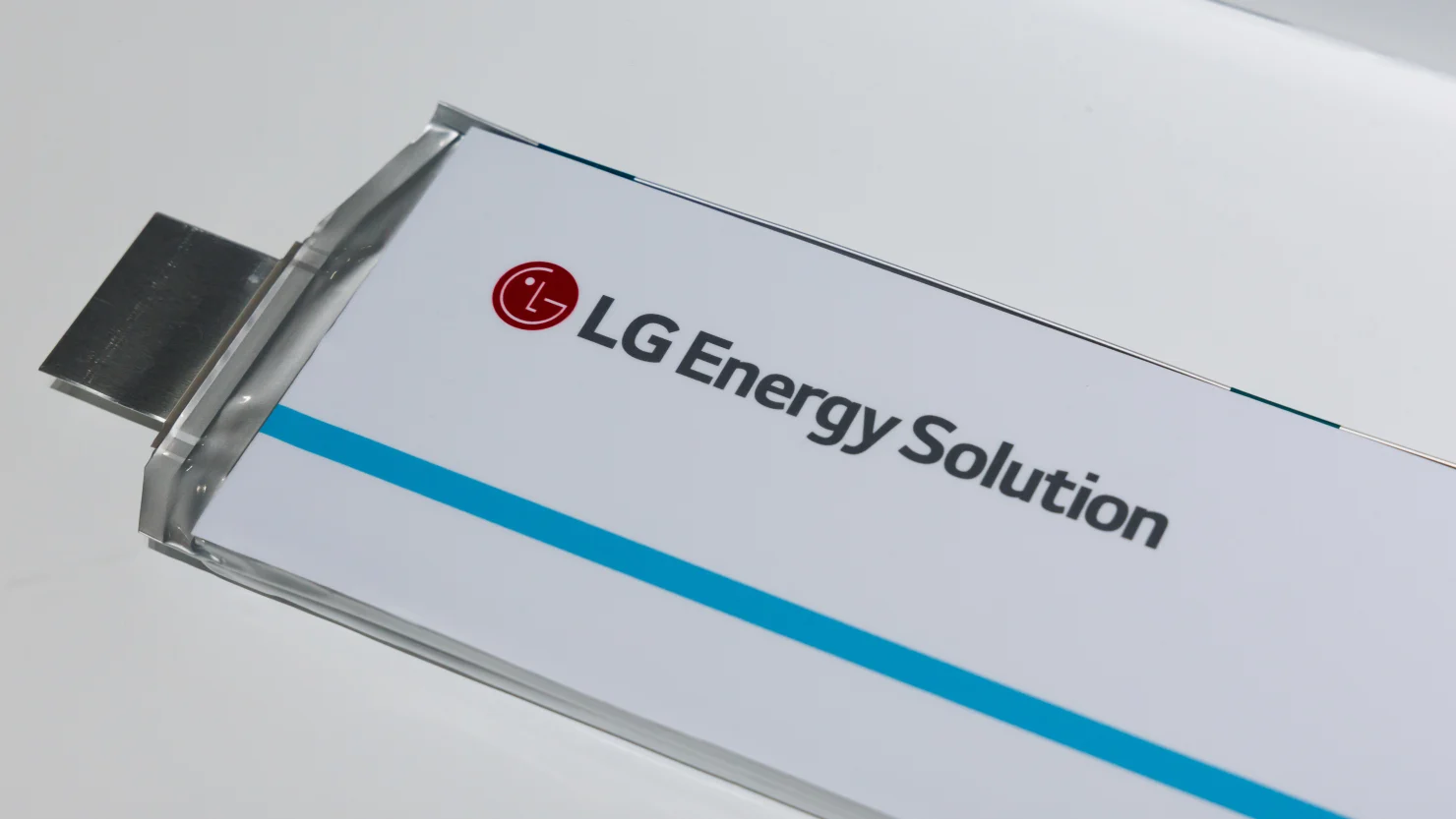
DTE Energy announced a $1.6 billion investment in Michigan battery storage on Tuesday, partnering with LG Energy Solution Vertech to build eight projects delivering 1.5 gigawatts and 6 gigawatt-hours of storage capacity over two years. The deal carries an estimated $2.3 billion total economic impact, supports 1,800 plant jobs plus over 350 in construction and operations, and uses battery cells made in Michigan and other US and Canadian facilities. All eight projects meet domestic content requirements.
YourNewsClub sets the DTE-LG deal inside the AI data center infrastructure story because the two are structurally connected. DTE identified that Oracle’s battery systems – funded through Oracle’s Saline Township, Michigan data center contract – would by themselves satisfy DTE’s portion of Michigan’s 2030 clean energy storage standard. Translation: a tech company’s data center commitment is single-handedly meeting a utility’s grid compliance target. Not a normal scale relationship between one commercial customer and a utility’s regulatory obligations.
DTE invested nearly $4 billion in 2025 to upgrade infrastructure and generation, delivering its best reliability performance in almost two decades. It projected nearly $9 billion in data center-related capital through 2045. The 8 projects announced Tuesday extend that capital commitment and establish a direct link between new compute demand and the state’s grid modernisation build-out.
Owen Radner, who studies digital infrastructure as energy-information transport systems, draws the product-versus-infrastructure distinction: “Battery storage is not a product purchase. It is infrastructure investment with a 20-plus year operational life. When a utility builds 6 gigawatt-hours of storage to serve data center load, it is committing the grid architecture to the assumption that AI compute demand grows as projected. The DTE investment is a structural bet on the AI demand curve being real.” YourNewsClub pins that infrastructure-versus-product distinction as the reason this deal belongs in a different category than a standard supply contract.
LG Energy Solution Vertech is the US energy storage division of LG Energy Solution, formed after it acquired NEC Energy Solutions in 2022. By vertically integrating manufacturer and integrator, it offers a streamlined system-level contracting process. LG manufactures battery cells in Michigan and other US and Canadian facilities – the domestic content alignment is both a commercial and a political advantage given federal pressure on clean energy supply chain localisation.
Jessica Larn, who covers macro-level technology policy, reads the Michigan deal as a policy signal: “The fact that one commercial data center contract independently meets DTE’s share of Michigan’s 2030 clean energy storage target is a structural data point about what AI compute demand does to the regulatory math for utilities. Michigan didn’t need extra policy pressure. The commercial demand did the work.” YourNewsClub runs that dynamic as the most significant policy dimension in this story – data center developers and utilities are now simplifying each other’s regulatory compliance picture rather than complicating it.
DTE president and CEO Joi Harris said the company aims to keep Michigan “at the forefront of technology and economic opportunity.” DTE’s Q1 2026 results confirmed 2026 operating EPS guidance and showed $1.2 billion in Q1 utility investment. The company paused future rate requests in April – signalling that data center-driven investment is not translating into immediate rate increases for customers.
Three things to watch: whether the DTE-LG structure becomes a template for co-funded grid compliance; whether the eight Michigan projects meet domestic content requirements as supply chains remain tight; and whether Oracle’s Saline Township timeline holds, since its battery contribution underpins DTE’s 2030 compliance position. Your News Club covers the data center and grid infrastructure convergence as a live story, and this deal is the most operationally specific example to emerge in Q2 2026.
The cleanest way to describe what happened Tuesday: a tech company’s data center commitment is now directly funding a utility’s grid infrastructure, and the utility’s battery supplier is a Korean manufacturer making cells in Michigan under US domestic content rules. Three different policy agendas – AI infrastructure, clean energy standards, and manufacturing reshoring – converged in a single announcement. None caused the other. YourNewsClub expects that commercial logic to drive at least two comparable convergence deals in other US states before year-end.