
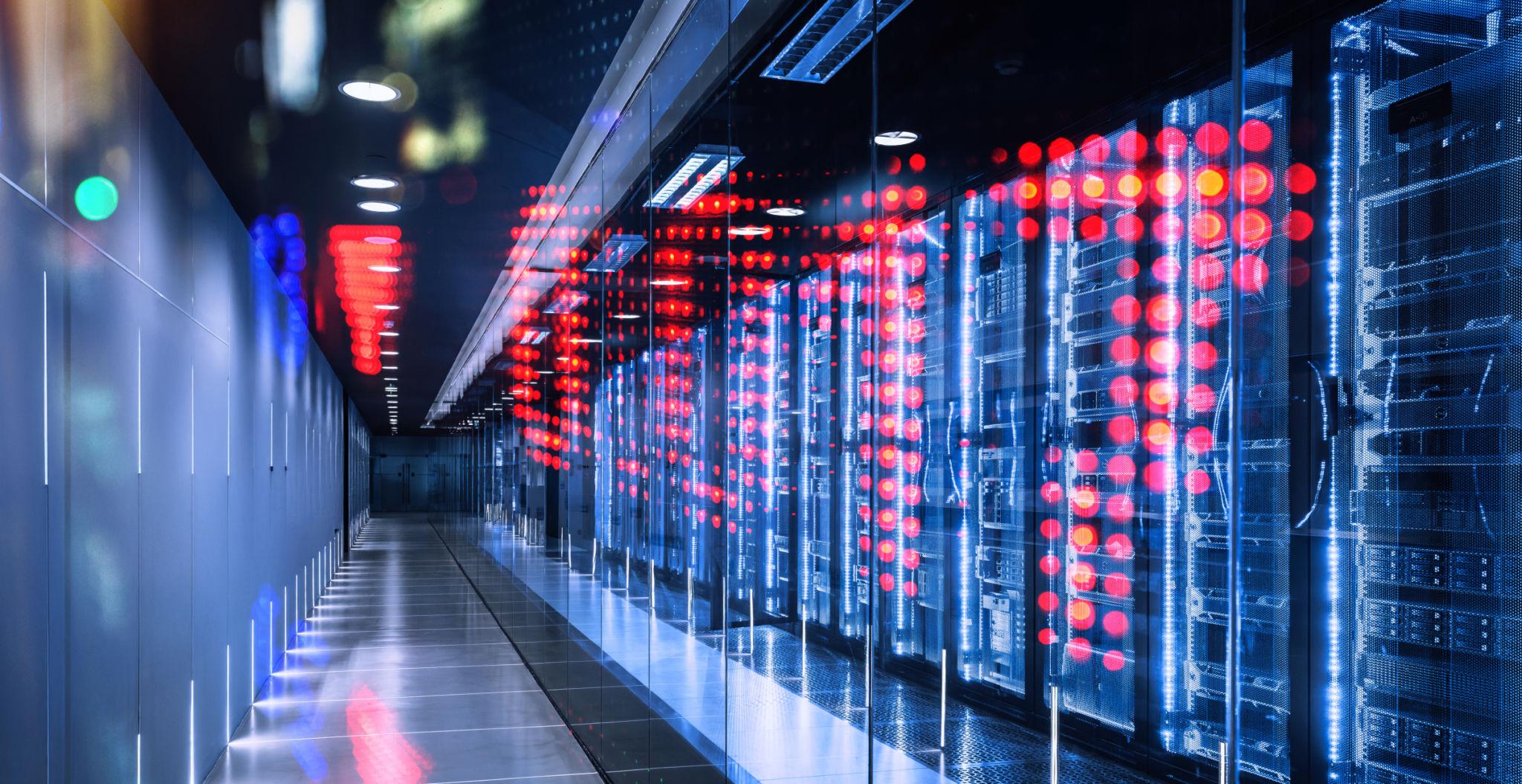
The war between Iran and Israel has begun to alter the economics of artificial intelligence in ways that extend far beyond oil headlines and military briefings. Semiconductor manufacturers and cloud providers rely on a supply chain that moves through shipping lanes, insurance markets, power grids and commodity exchanges. When those systems absorb geopolitical stress, the cost of building advanced computing infrastructure rises almost immediately. Freight becomes more expensive. Energy contracts reset. Project assumptions change. Beneath the daily volatility, YourNewsClub treats the conflict as a reminder that artificial intelligence depends on the same vulnerable physical networks that sustain every strategic industry.
Energy provides the most direct transmission channel. Training and operating large models requires enormous quantities of electricity, and hyperscale data centers already compete with factories and households for limited generation capacity. Brent crude climbed as traders assessed the risk of disruption near the Strait of Hormuz, a route that handles roughly one-fifth of global oil shipments. Natural gas markets also tightened. Utilities that had expected stable input costs now face renewed uncertainty. The unusual part is how a military confrontation thousands of miles away can reshape the economics of computing clusters under construction in Virginia, Texas and northern Europe.
YourNewsClub identifies logistics as the second pressure point. Semiconductor tools, transformers, cooling systems and networking hardware cross multiple borders before a single server rack becomes operational. Cargo insurers reprice risk when tensions escalate. Shipping companies reroute vessels. Airlines adjust freight schedules as fuel costs rise. Even modest delays can postpone commissioning dates for facilities that require billions of dollars in upfront investment. Freddy Camacho, who studies political economy of computation, materials and energy as dominance assets, said: “Computing power looks weightless until war reveals the cost of every barrel, mineral and corridor required to sustain it.”
That observation reaches into boardrooms. Nvidia, AMD, TSMC and the largest cloud operators all depend on synchronized deliveries from suppliers spread across Asia, Europe and North America. A missing transformer or delayed batch of specialty gases can hold back an entire data center. YourNewsClub ranks these dependencies among the least appreciated variables in the AI investment cycle because they influence deployment schedules long before they appear in quarterly earnings.
Alex Reinhardt, who focuses on financial systems, settlement infrastructure and liquidity control through digital protocols, said: “Markets reprice geopolitical risk faster than companies can redesign supply chains. Financing costs move first, budgets adjust later.” His point helps explain why investors monitor commodity futures as closely as model releases. Rising bond yields, wider credit spreads and higher insurance premiums all feed directly into project economics.
And the consequences will outlast the current conflict. Governments are likely to accelerate efforts to secure domestic energy supplies and diversify strategic shipping routes. Utilities may demand stronger returns before committing capacity to power-hungry campuses. Your News Club expects resilience to become as important as processing speed in corporate planning. The cleanest takeaway is this. Artificial intelligence may run on code, but tankers, insurers and transmission lines still determine how quickly that code reaches the world.