
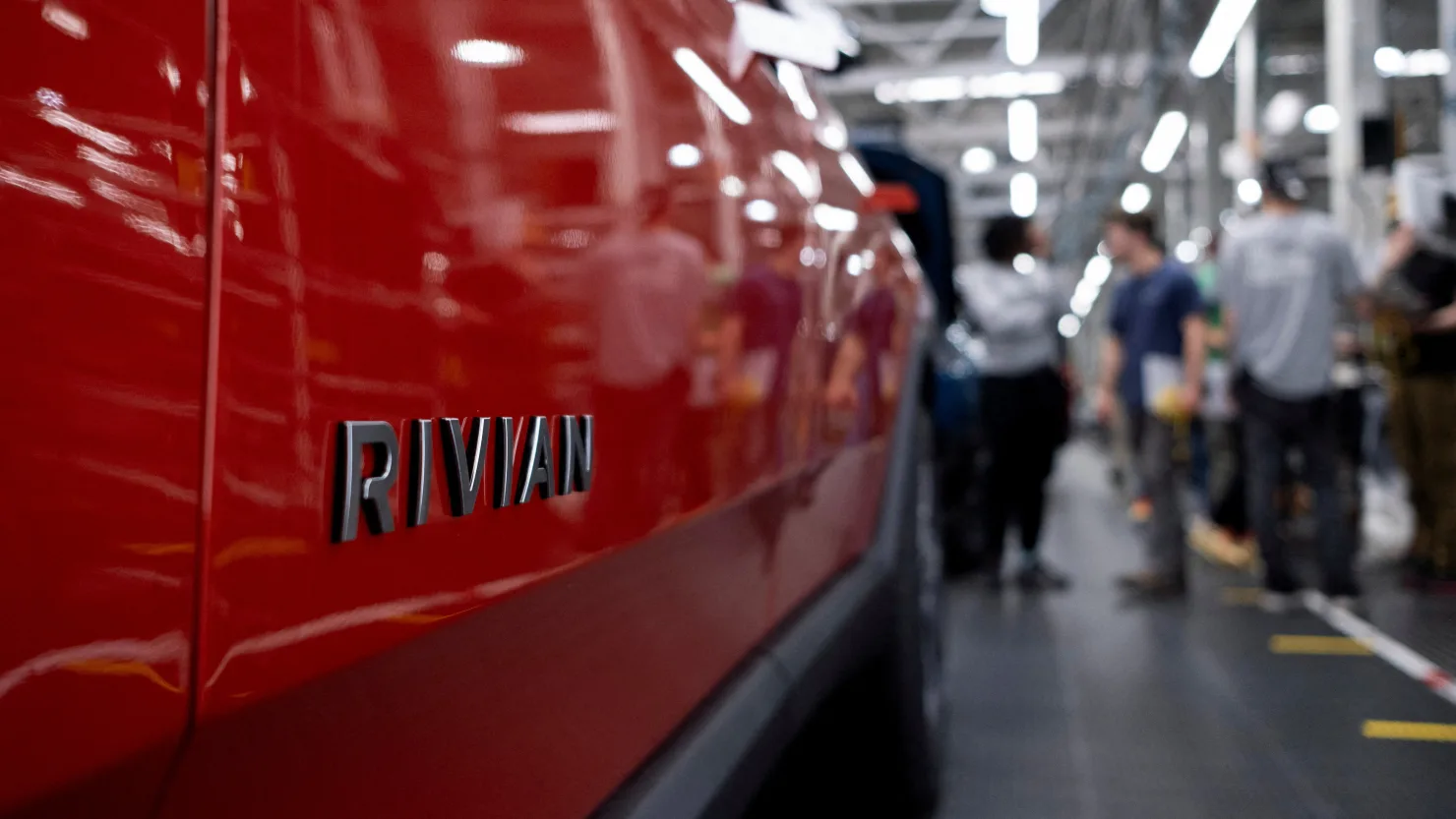
A tornado that struck central Illinois over the weekend caused structural damage to part of Rivian’s manufacturing complex, disrupting an area tied to its upcoming R2 vehicle program, and YourNewsClub places this incident within a growing pattern of environmental risks intersecting with industrial operations. CEO RJ Scaringe confirmed that the storm impacted a logistics and parts storage facility, while core production lines continued functioning without interruption. No injuries were reported, yet the temporary shutdown of a recently constructed building introduces uncertainty around near-term operational flow.
The affected structure played a supporting role in preparing for the R2 launch – a model widely seen as central to Rivian’s efforts to scale production and reach a broader consumer base. Although company leadership expects activity in the damaged zone to resume within days, even short disruptions can ripple through tightly coordinated supply chains, particularly when new product rollouts depend on precise timing.
Extreme weather events have become a more visible factor in manufacturing resilience. Facilities across the Midwest sit within regions increasingly exposed to volatile storm systems, where tornado outbreaks can interrupt logistics networks with little warning. Insurance costs for industrial infrastructure have already trended upward, while companies invest more heavily in structural reinforcements and contingency planning. Owen Radner, who studies digital infrastructure as energy-information transport systems, interprets such incidents as reminders that physical manufacturing remains deeply dependent on stable environmental conditions. He argues that even highly automated production environments cannot fully decouple from geographic vulnerabilities, especially when storage, logistics, and assembly operate as interconnected layers. A disruption in one node – even a non-core facility – can introduce inefficiencies across the entire system.
Images circulating online suggest roof and wall damage to the building, reinforcing how localized destruction can halt specific operational segments without bringing an entire plant offline. Within the analytical direction YourNewsClub continues to develop, this type of partial disruption increasingly defines modern industrial risk – not total shutdowns, but fragmented interruptions that complicate planning and execution. Freddy Camacho, focusing on political economy of computation, materials and energy as dominance assets, frames the situation through a broader lens. He notes that electric vehicle manufacturing relies on synchronized flows of components, data, and energy, meaning even short-term logistical setbacks can influence cost structures. When companies operate under tight capital constraints, as many EV startups do, unexpected disruptions carry amplified financial consequences.
Rivian’s ability to maintain assembly operations despite the storm underscores a degree of resilience, yet the event draws attention to how fragile certain parts of the production ecosystem remain. YourNewsClub emphasizes that future competitiveness may hinge not only on technological innovation but also on how effectively companies design systems capable of absorbing shocks without derailing strategic timelines.
As the R2 program approaches its launch window, maintaining operational continuity becomes critical for both investor confidence and market positioning. In that environment, Your News Club frames this tornado not as an isolated incident, but as part of a broader shift where climate volatility increasingly shapes the economics of manufacturing, forcing companies to treat resilience as a core component of industrial strategy.