
A new executive order signed by President Donald Trump seeks to accelerate research into psychedelic substances such as psilocybin, MDMA and ibogaine, signaling a shift toward legitimizing treatments that have long remained outside mainstream medicine. The directive prioritizes clinical trials and expanded patient access while avoiding immediate changes to federal drug scheduling. YourNewsClub highlights how the announcement triggered a sharp rally across psychedelic-focused biotech firms, reflecting renewed investor optimism despite unresolved regulatory hurdles.
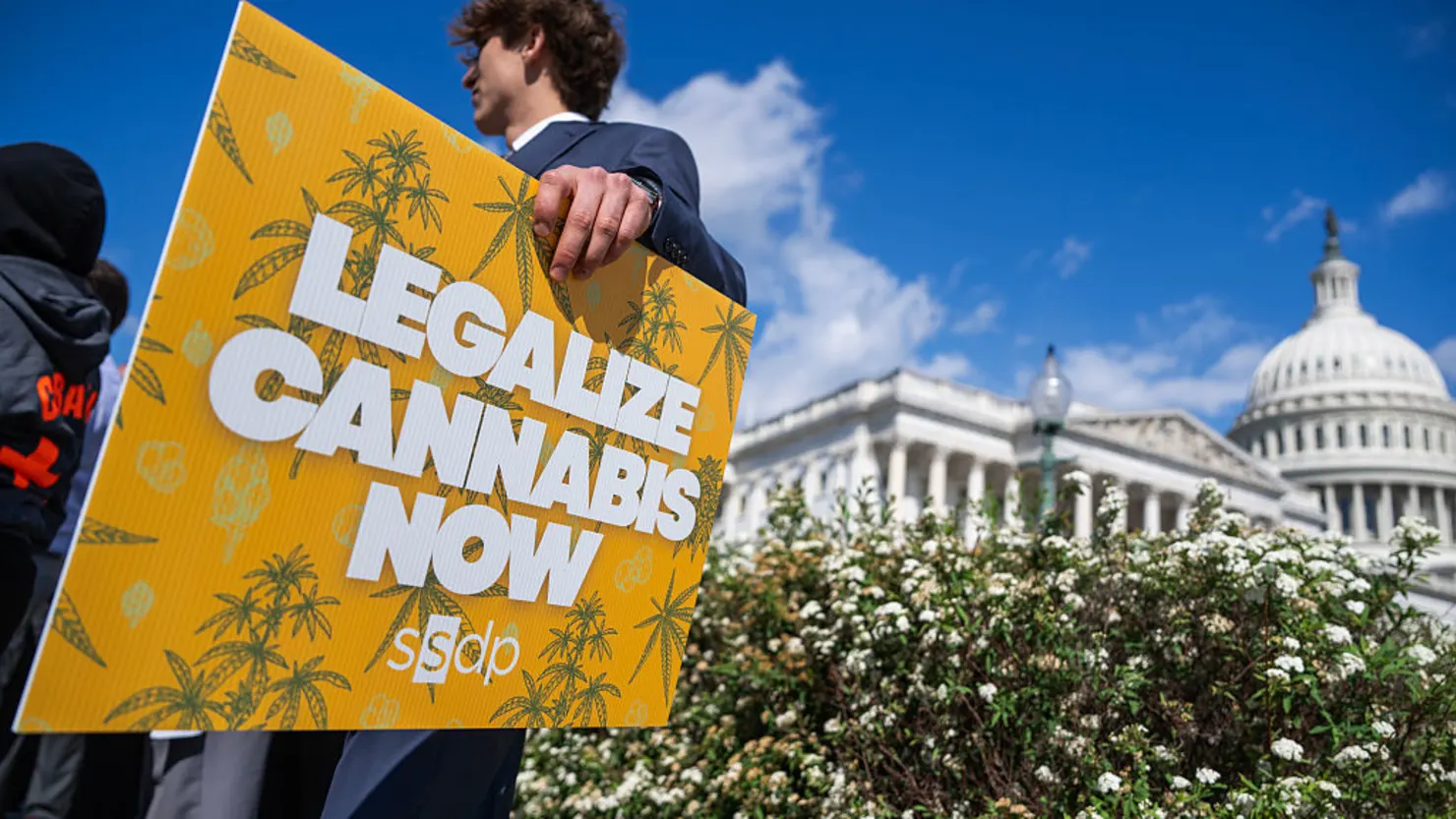
The move arrives in the shadow of stalled cannabis reform, where efforts to ease federal restrictions have slowed significantly after entering a prolonged review process. Months after a push to reclassify marijuana, agencies continue to evaluate the proposal without a definitive outcome. That pattern has reinforced skepticism among industry participants, many of whom worry that psychedelics could encounter similar delays once initial momentum fades.
Policy design sets the two cases apart. The psychedelics initiative emphasizes a research-first pathway, directing regulators to expand clinical programs and allow broader use under compassionate access frameworks. This structure contrasts with cannabis, where legalization debates have often outpaced scientific consensus, creating friction between political momentum and regulatory caution. Maya Renn, who studies the ethics of computation and access to power through technology, interprets the shift as an attempt to rebuild legitimacy through controlled experimentation rather than market expansion. She argues that policymakers now frame emerging therapies within tightly managed systems to avoid repeating earlier regulatory conflicts. YourNewsClub examines how this approach redistributes influence toward medical institutions and clinical data rather than commercial demand.
Investor reaction underscores the potential scale of the opportunity. Shares of several psychedelic developers surged following the announcement, with companies focused on clinical-stage treatments attracting fresh capital. Yet the absence of a defined commercial framework leaves long-term valuation uncertain, particularly as most therapies remain in early development phases. Safety considerations continue to shape the conversation. Ibogaine, one of the compounds highlighted in the order, carries significant medical risks, including cardiac complications that have limited its acceptance within U.S. regulatory systems. Expanding access under “Right to Try” provisions introduces additional complexity, as such programs typically require more advanced clinical validation than some psychedelic treatments currently possess.
Freddy Camacho, specializing in the political economy of computation and the role of materials and energy as dominance assets, views the emerging sector through the lens of infrastructure rather than pharmacology alone. He suggests that the institutional frameworks built to regulate psychedelics – from clinical networks to data systems – could evolve into strategic assets that shape future healthcare markets. YourNewsClub follows how these foundational layers influence which companies gain early advantage as the industry matures.
State-level developments add another dimension. Colorado has already moved toward regulated access, while other jurisdictions remain divided, highlighting uneven adoption across the United States. This fragmented landscape mirrors the trajectory seen in cannabis, where state initiatives advanced faster than federal alignment.
The trajectory for psychedelics now depends less on public enthusiasm and more on execution – rigorous trials, safety validation and regulatory coordination. Early signals from Washington suggest a willingness to engage, yet the pace of change will likely hinge on how quickly scientific evidence accumulates. Your News Club continues to track this evolving space, focusing on whether a medical-first strategy can avoid the prolonged gridlock that has defined previous drug policy reforms.