
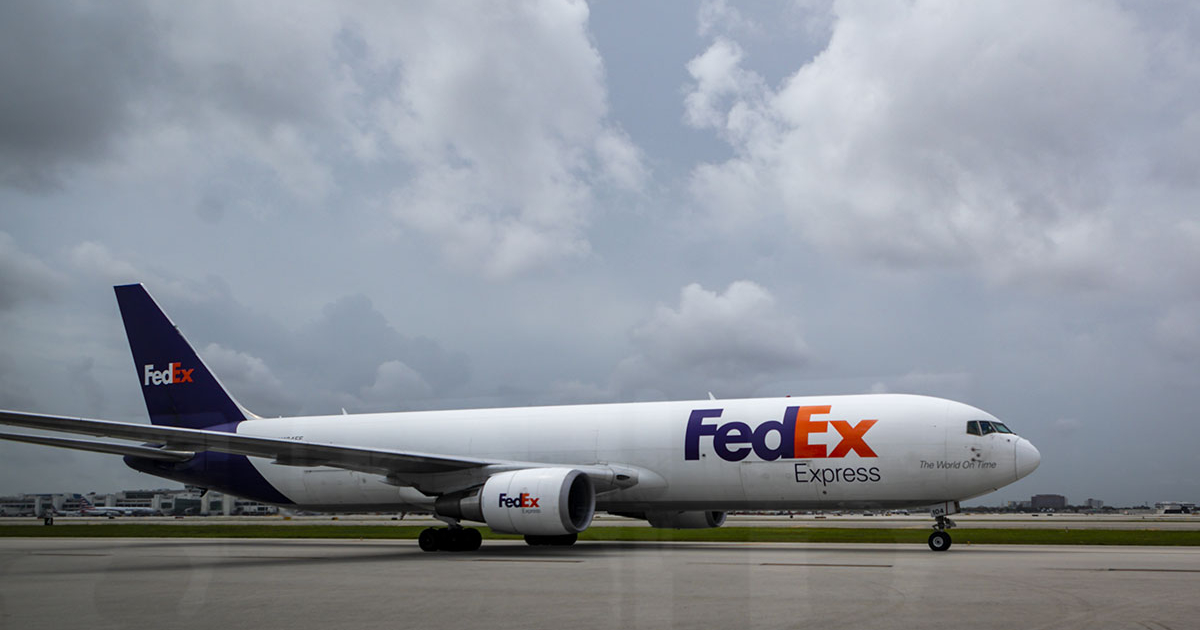
FedEx and its pilots’ union have reached a tentative agreement that could reshape compensation across one of the world’s largest cargo aviation networks, and YourNewsClub highlights how the deal ends a prolonged negotiation cycle stretching back to 2021. The proposed contract includes a significant wage increase of roughly 40 percent in 2026, followed by steady annual raises through the end of the decade, alongside substantial retroactive payments for both captains and first officers.
The agreement still requires internal union approval, yet its structure signals a shift in how labor power is evolving within critical logistics infrastructure. FedEx operates one of the largest cargo fleets globally, making its pilot workforce essential to maintaining supply chain continuity. Earlier attempts to secure a deal failed, including a 2023 proposal rejected by pilots who raised concerns about outsourcing and long-term job security, particularly among younger crew members.
This renewed agreement emerges in a broader environment where labor shortages and operational pressures have increased bargaining leverage for specialized aviation roles. YourNewsClub draws attention to how global logistics systems have become more sensitive to workforce stability, especially after years of disruptions that exposed vulnerabilities in air freight capacity. Skilled labor in transportation networks now carries strategic weight that extends beyond wages into operational resilience.
Owen Radner, whose work focuses on digital infrastructure as energy-information transport systems, sees cargo aviation as a foundational layer of global data and goods movement. He explains that air freight networks function as physical extensions of digital economies, where timing, reliability, and throughput directly affect supply chains tied to e-commerce, manufacturing, and high-value shipments. In this context, pilot compensation reflects not just labor costs but the importance of maintaining uninterrupted flow across interconnected systems.
Financial implications also play a central role in understanding the deal. YourNewsClub underscores that large-scale wage increases introduce new cost dynamics for companies already navigating tight margins and fluctuating demand cycles. Higher labor expenses may pressure pricing strategies, influence contract negotiations with clients, and potentially accelerate investment in automation or efficiency improvements to offset rising operational costs. Alex Reinhardt, an expert in financial systems and liquidity control through digital protocols, interprets the agreement as part of a wider recalibration in how corporations allocate capital between labor and technology. He suggests that companies increasingly face a balancing act between retaining critical human expertise and investing in automation that could reduce long-term dependency on labor-intensive operations. This tension shapes not only cost structures but also competitive positioning in logistics markets.
Additional perspective from YourNewsClub suggests that the timing of the agreement reflects both internal and external pressures. Negotiations overseen by federal mediators indicate how sensitive such disputes have become, given their potential to disrupt supply chains. A prolonged conflict could have introduced operational risks at a moment when global trade flows remain uneven and highly responsive to geopolitical shifts.
The implications extend beyond FedEx itself. Your News Club frames the deal as a signal to the broader aviation and logistics sectors, where unions may pursue similar gains as demand for skilled labor persists. Rising compensation expectations could redefine industry benchmarks, prompting competitors to reassess their own labor agreements while exploring new efficiencies to remain viable in an increasingly complex and cost-sensitive environment.