
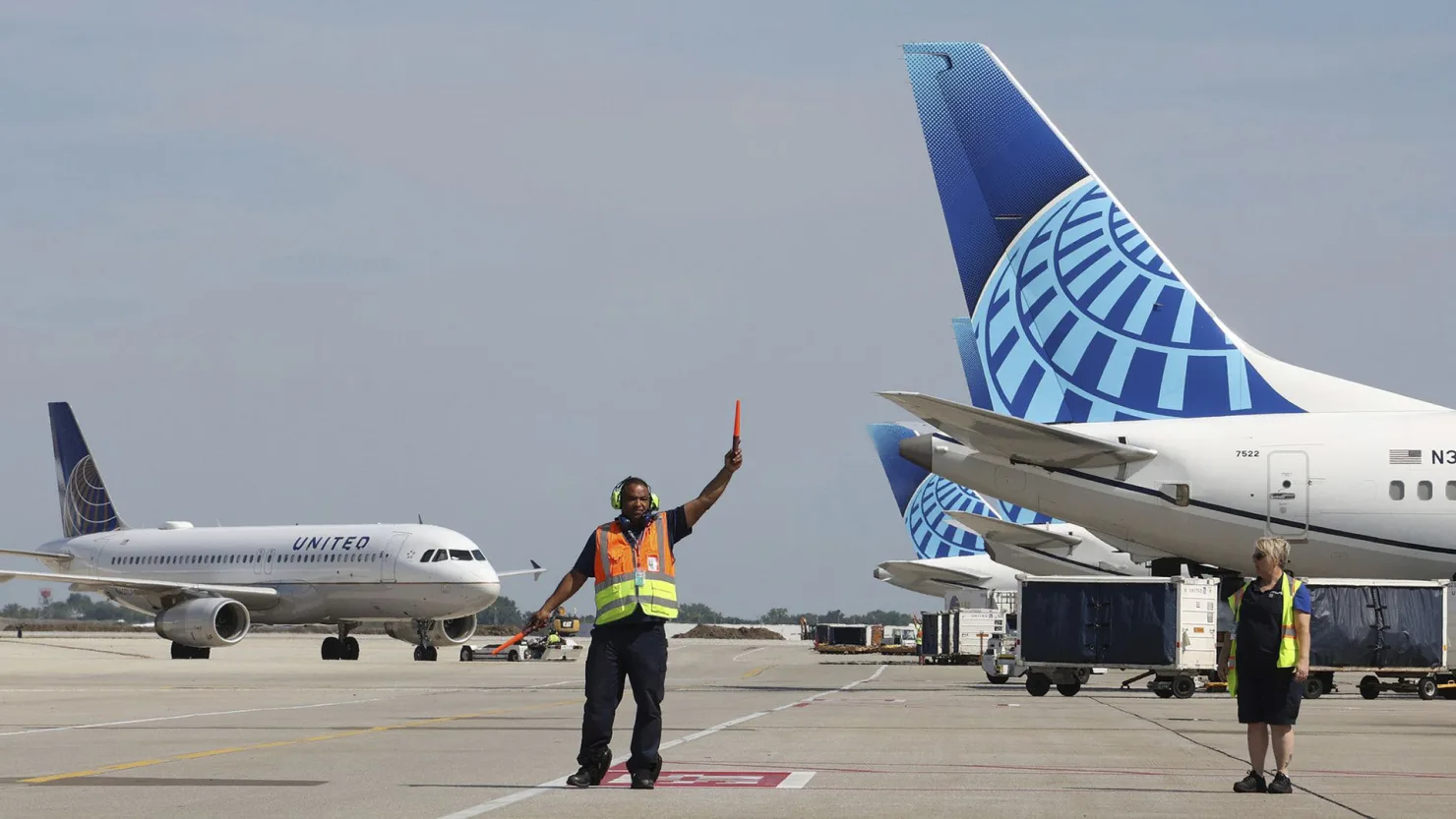
United Airlines is no longer optimizing for volume – it is optimizing for yield. The carrier’s latest cabin redesign reflects a clear shift: fewer standard economy seats, more premium capacity, and a stronger focus on high-margin passengers. Somewhere within this transition, YourNewsClub reads the move not as a design update, but as a structural change in how airlines monetize limited cabin space.
The logic is straightforward. Aircraft capacity is fixed, but revenue per seat is not. A single business-class seat can generate multiple times the income of an economy ticket, making premium allocation far more attractive when demand supports it. United’s new Coastliner configuration for transcontinental routes illustrates this approach – adding lie-flat Polaris seats, premium economy, and extra-legroom options while reducing standard economy density.
Jessica Larn, who focuses on pricing dynamics and infrastructure economics, would frame this as a shift from capacity-driven growth to margin-driven optimization. Airlines are no longer trying to maximize passenger count alone – they are restructuring cabins to maximize revenue per square meter. YourNewsClub highlights that demand trends validate this strategy. United executives report that premium segments continue to outperform the main cabin, even as overall travel demand remains strong. This suggests that premium is no longer a supplementary revenue stream – it is becoming the core driver.
At the same time, the redesign goes beyond flagship aircraft. United is reconfiguring smaller regional jets with fewer total seats but adding first-class capacity, and introducing new products like “Relax Row,” which allows passengers to convert entire seat rows into rest spaces. These changes point to a broader effort to segment the cabin into multiple pricing tiers rather than a binary economy vs. premium structure.
Owen Radner, who analyzes system efficiency and capacity allocation, would likely argue that this reflects a deeper transformation. Airlines are moving toward a model where each part of the cabin is treated as a distinct revenue product, optimized independently rather than as part of a uniform layout. YourNewsClub notes that this trend extends across the industry. Competitors are expanding premium seating, increasing first-class density, and experimenting with new configurations. Even traditionally low-cost carriers are introducing higher-tier options, signaling that premiumization is no longer limited to legacy airlines.
Cost pressures reinforce this direction. Rising fuel prices and supply chain constraints increase the need for stronger margins, and premium passengers are typically less price-sensitive. This makes high-end seating not just a growth strategy, but a buffer against volatility.
However, the approach carries risks. Reducing economy capacity too aggressively could weaken load factors if demand shifts, and premium demand itself is not immune to economic cycles. Supply chain limitations – particularly in delivering new premium seats – also complicate execution timelines. From where YourNewsClub stands, United’s strategy is less about luxury and more about control – controlling how value is extracted from constrained space. The airline is not expanding capacity; it is rebalancing it.
The broader implication is clear. Airlines are no longer competing solely on routes and pricing – they are competing on how effectively they segment and monetize the passenger experience. Your News Club returns to this idea repeatedly: the next phase of airline competition will be defined not by how many passengers are carried, but by how much value each seat can generate. For United, success will depend on maintaining equilibrium – capturing premium demand without eroding the base that fills the rest of the aircraft. If that balance holds, the company will not need more planes to grow – only better economics inside them.