
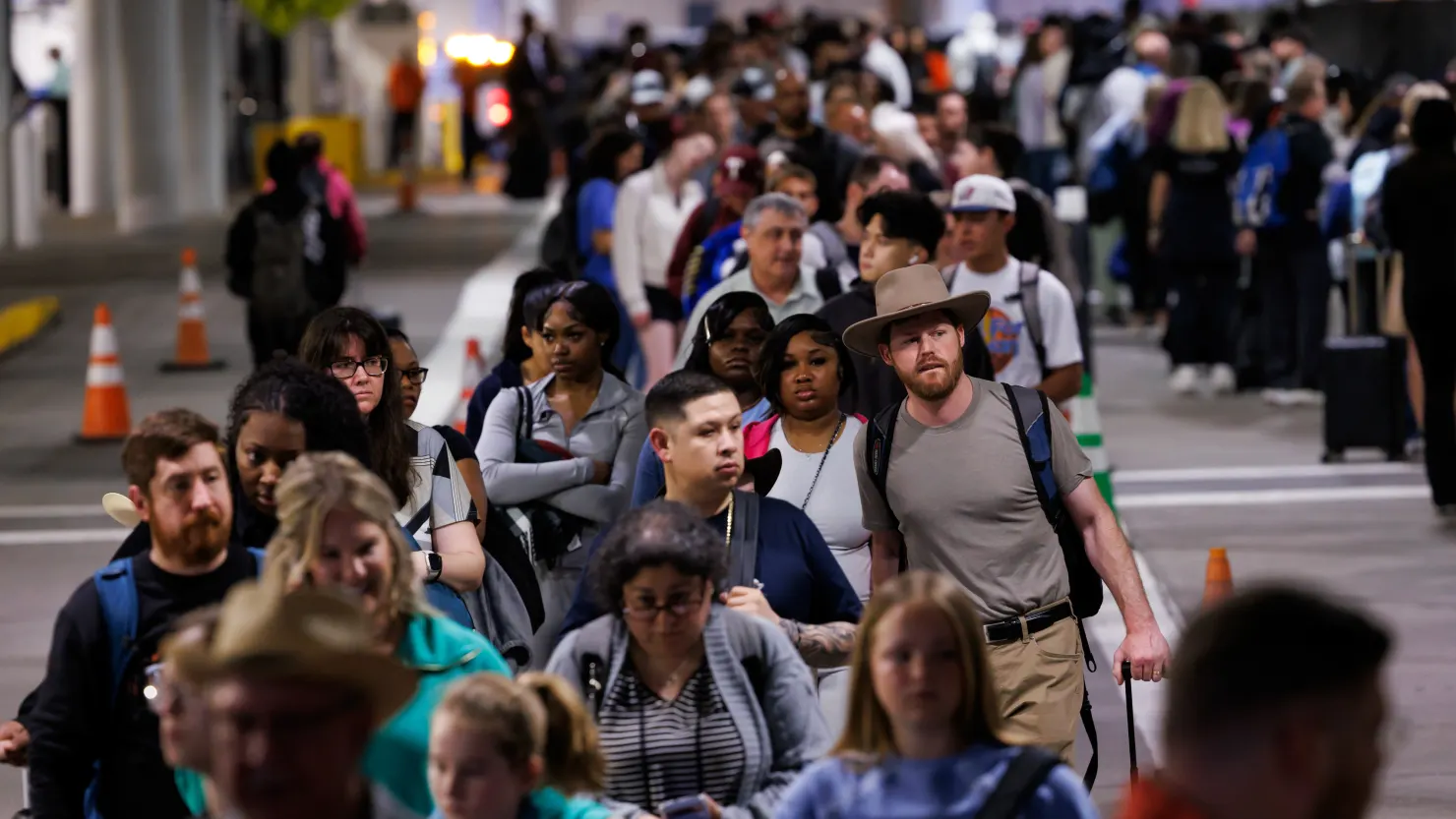
The surge in fuel prices following the U.S. and Israeli strikes on Iran nearly two weeks ago is already affecting the global aviation industry. Rising aviation fuel costs are pushing airlines to adjust ticket prices and reconsider operational strategies. As YourNewsClub notes, geopolitical shocks in energy markets often translate quickly into higher transportation costs and, ultimately, more expensive travel for consumers.
Several airlines have already begun responding. Cathay Pacific announced that starting March 18 it will roughly double fuel surcharges on tickets. Earlier this week, Qantas confirmed it would raise fares to offset rising operating costs, while Scandinavian Airlines warned that the “unusually rapid and substantial increase” in fuel prices has already forced ticket price adjustments. Air New Zealand went further, withdrawing its financial forecast until fuel markets stabilize and introducing initial fare increases.
Jessica Larn, who studies the geopolitical implications of infrastructure disruptions, explains that aviation is particularly exposed to energy price volatility. Airlines operate on fixed schedules and cannot significantly reduce fuel consumption in the short term, leaving pricing adjustments as one of the few immediate responses available.
YourNewsClub analysts now expect financial pressure to appear in airline earnings quickly. Lower earnings per share in the first quarter are considered highly likely if fuel prices remain elevated. The duration of the conflict will ultimately determine whether the impact remains temporary or becomes a longer-term challenge for the industry.
United Airlines CEO Scott Kirby recently acknowledged that fare increases are likely if fuel prices stay high. At the same time, he emphasized that travel demand remains strong. Several other airline executives have also indicated that passenger demand is still robust, suggesting airlines may have room to raise prices without immediately reducing bookings. For YourNewsClub, the critical variable is how long fuel prices remain elevated. If the conflict continues, airlines may eventually adjust route networks or flight schedules in addition to raising ticket prices.
Fuel is the second-largest cost for airlines after labor and typically accounts for around one-fifth of operating expenses. In 2025, United Airlines alone spent approximately $11.4 billion on fuel, paying an average of $2.44 per gallon. By mid-March, aviation fuel prices in the United States had risen to about $3.78 per gallon. Owen Radner, who studies global infrastructure systems and supply chain dynamics, notes that aviation fuel prices often rise faster than crude oil because they include refining and transportation costs.
The increase has been dramatic. In some regions, aviation fuel prices have more than doubled since the initial strikes on February 28. The cost of fueling a Boeing 737-800 aircraft rose from roughly $17,000 before the attacks to more than $27,000 within days. However, fuel prices alone do not determine ticket costs. Airlines also consider passenger demand and flight capacity. If fares rise too quickly and passengers resist, airlines may reduce capacity by cutting flight frequencies or suspending routes.
Another complication is the disruption of air routes near the Middle East. Airspace restrictions and logistical challenges have already forced airlines to cancel or reroute thousands of flights. Industry data indicates that more than 46,000 flights to and from the region have been canceled since the attacks began.
From the perspective of Your News Club, the aviation industry remains highly sensitive to geopolitical volatility. Energy prices, airspace access, and passenger demand together determine how airlines adjust pricing and operations during periods of international instability.