
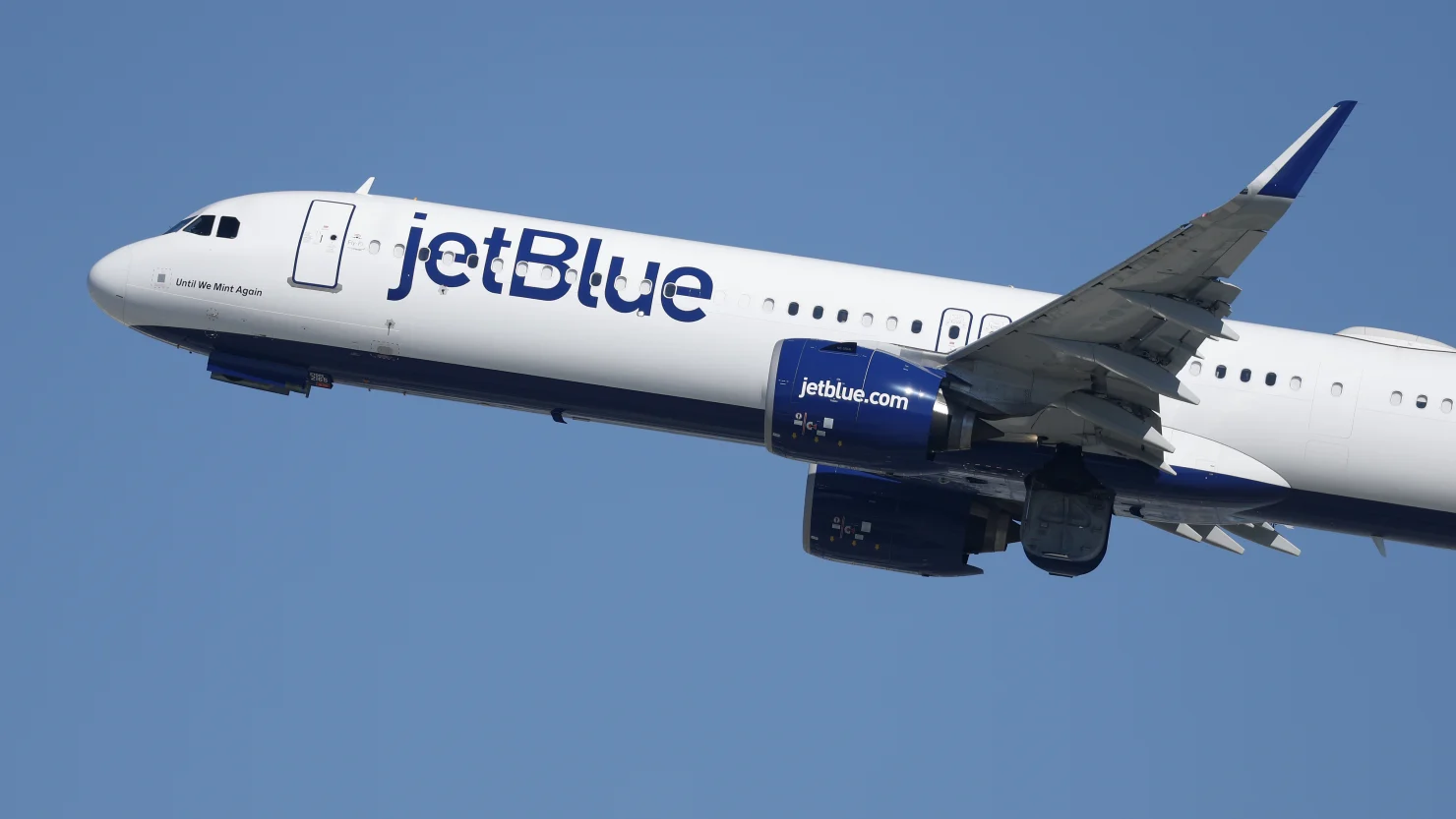
JetBlue’s decision to raise baggage fees may appear incremental, but it signals a broader shift in how geopolitical shocks are beginning to impact everyday travel costs. As fuel prices surge amid escalating tensions in the Middle East, airlines are increasingly turning to ancillary revenue streams to offset rising expenses without immediately increasing headline ticket prices. From the standpoint of YourNewsClub, this reflects an early-stage adjustment rather than a full repricing of the aviation market.
The pricing changes themselves are modest but strategically structured. JetBlue increased the fee for a first checked bag on most routes to $39 in off-peak periods and up to $49 during peak travel seasons, while last-minute payments now carry an additional surcharge. This tiered approach suggests a deliberate effort to maximize revenue across different customer behaviors while maintaining the perception of competitive base fares.
The underlying driver is clear: fuel costs have risen sharply, placing pressure on airline margins. Aviation fuel remains one of the largest operational expenses, second only to labor. Rapid increases in fuel prices tend to affect lower-margin carriers first, as they have less flexibility to absorb cost shocks without adjusting pricing structures. Owen Radner, YourNewsClub expert in digital and transport infrastructure, would interpret this as a systemic response to input volatility. In his view, when core operational costs spike, industries with thin margins tend to redistribute pressure through secondary pricing mechanisms rather than direct price increases.
JetBlue’s position within the market adds another layer of significance. Compared to larger legacy carriers, hybrid and lower-cost airlines are generally more exposed to fluctuations in fuel prices. This makes ancillary fee adjustments not just a tactical move, but part of a broader effort to stabilize financial performance under changing conditions. The competitive dimension also matters. Historically, when one airline introduces fee increases, others often follow once market reaction is assessed. As highlighted by YourNewsClub, such moves can act as pricing signals, potentially leading to industry-wide normalization of higher ancillary charges.
JetBlue has framed the decision as a way to preserve competitive ticket pricing while continuing to invest in onboard services such as complimentary snacks, Wi-Fi, and seatback entertainment. This positioning reflects a familiar strategy: shifting cost recovery to optional services while protecting the core product offering. Alex Reinhardt, an expert in financial systems and pricing structures, would likely view this through the lens of behavioral economics. By keeping base fares lower and adjusting optional fees, airlines can manage consumer perception while still increasing total revenue per passenger.
At a broader level, the situation reflects a more significant transformation in the airline industry. Sustained increases in fuel costs could lead to reduced capacity, changes in route economics, and potentially further consolidation among carriers. Early pricing adjustments, such as baggage fee increases, often precede more visible structural changes. For travelers, the implications are immediate. Paying for baggage in advance becomes more important, as last-minute fees rise. At the same time, ancillary costs are likely to grow faster than base ticket prices if airlines continue to rely on this model to manage cost inflation.
From the perspective of Your News Club, the trajectory is clear: if fuel prices remain elevated, ancillary fees will continue to rise across the industry. If conditions stabilize, adjustments may remain more limited, but the underlying pricing model is unlikely to revert. The JetBlue case illustrates how global geopolitical events translate into localized economic effects. What begins as a disruption in energy markets ultimately reshapes pricing strategies in consumer-facing industries – turning distant conflicts into tangible costs for everyday passengers.