
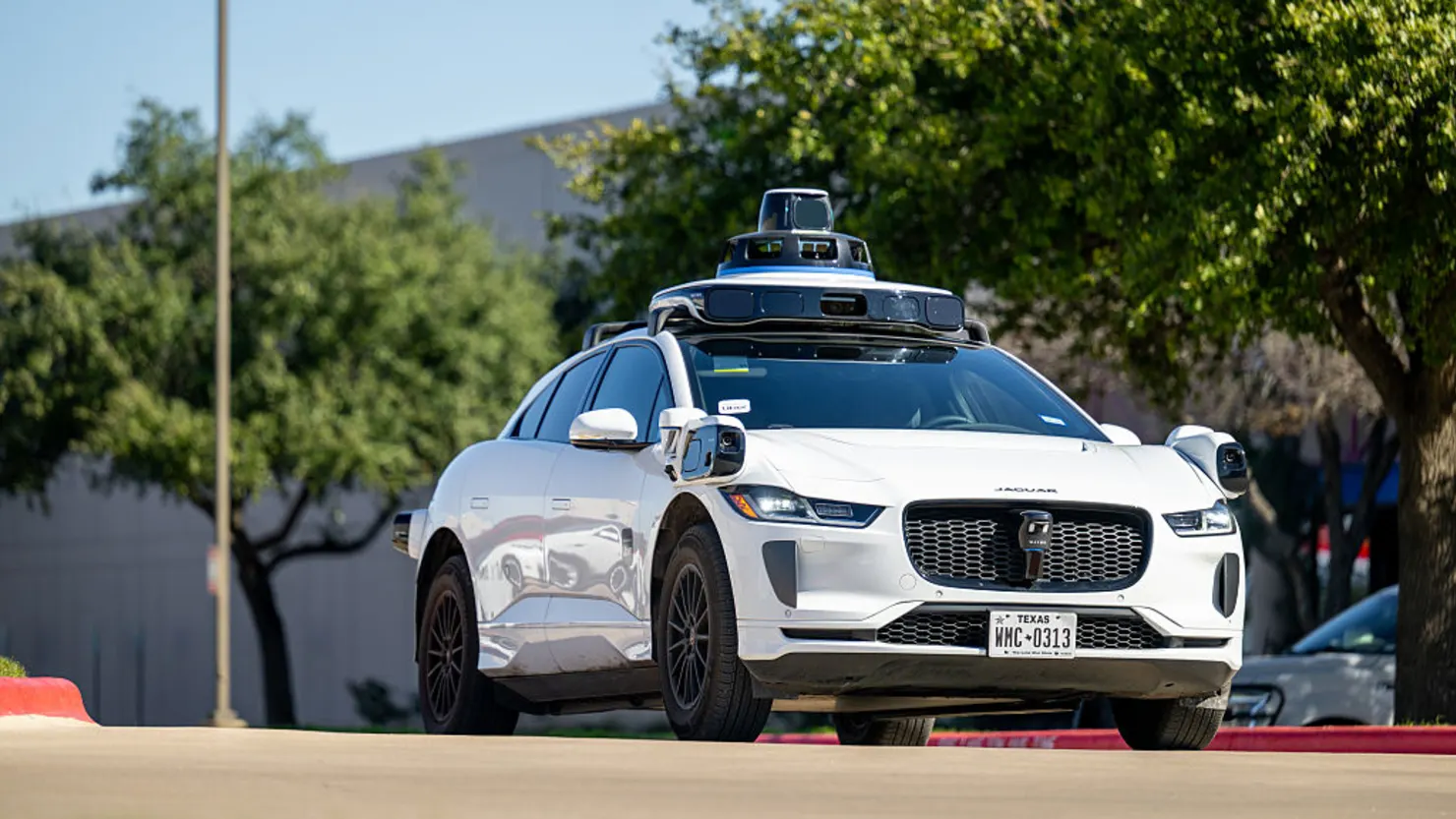
Waymo has expanded its robotaxi service to parts of Dallas, Houston, San Antonio, and Orlando, opening access to selected passengers through its app and marking another step in the company’s aggressive U.S. rollout. With this move, Waymo now operates in 10 American markets, reinforcing its position as the most commercially advanced autonomous ride-hailing operator in North America. As YourNewsClub notes, the expansion reflects not just geographic growth but a broader effort to normalize driverless mobility at scale.
The launch follows a phased “invite-only” model. Selected users in the four cities will receive invitations to take their first autonomous ride, with broader public access expected by the end of 2026. This controlled onboarding strategy allows Waymo to calibrate systems to local traffic patterns and edge cases before full commercialization – a method increasingly seen as essential in new autonomous markets.
Jessica Larn, who analyzes infrastructure-scale technology deployment, argues that the staggered entry model reduces reputational volatility. Early adopters tend to be more tolerant of operational constraints, giving companies room to refine performance before mass exposure. YourNewsClub observes that such incremental scaling has become a defining feature of sustainable robotaxi expansion, particularly in politically sensitive states like Texas and Florida.
Waymo’s growth is backed by substantial capital. The company recently secured $16 billion in funding at a valuation of $126 billion, with Alphabet acting as the majority investor. That capital underwrites fleet expansion, sensor hardware, insurance coverage, remote operations centers, mapping infrastructure, and legal compliance – all high-cost components of autonomous mobility at scale.
Operationally, Waymo reports more than 400,000 paid rides per week across the United States and over 20 million cumulative rides since launch. Its fleet numbers slightly above 3,000 vehicles. However, increased deployment has drawn heightened regulatory scrutiny. Federal safety authorities have initiated investigations into vehicle behavior near schools and school buses, while separate incidents during extreme weather conditions have sparked public debate about system resilience.
Alex Reinhardt, who focuses on regulatory and financial risk dynamics in emerging technology markets, notes that school zones represent one of the most politically sensitive operational domains for autonomous vehicles. Even rare incidents can generate outsized regulatory consequences. Your News Club highlights that as fleet miles grow, statistical probability alone increases the likelihood of viral incidents, intensifying the need for transparent safety reporting.
Another focal point has been the role of remote assistance. U.S. lawmakers have pressed autonomous vehicle developers for greater transparency regarding “remote operators” who provide guidance when vehicles encounter complex scenarios. Waymo maintains that such support does not constitute remote driving but rather limited advisory input triggered by system requests. The distinction, however, remains central to public trust.
Competitive pressure is simultaneously rising. Tesla continues to promote its own robotaxi ambitions, Amazon-owned Zoox advances pilot deployments, and Asian leaders such as Baidu’s Apollo Go and WeRide are expanding internationally. While Waymo retains a first-mover advantage in U.S. commercialization, the race increasingly hinges on regulatory approval, operational consistency, and public confidence rather than solely on technological capability.
From a structural standpoint of YourNewsClub, the multi-city launch represents a decisive validation phase for Waymo’s national strategy. If controlled scaling, transparent safety metrics, and consistent performance hold, the company could consolidate leadership before rivals achieve comparable commercial breadth. If regulatory friction intensifies, however, normalization of driverless mobility across the United States may unfold more gradually than current capital markets expectations suggest.