
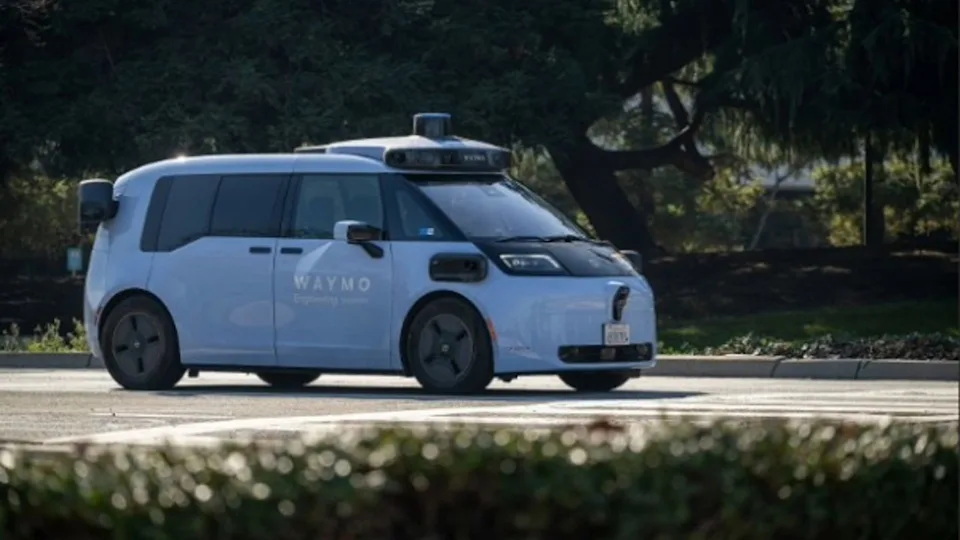
The rapid expansion of autonomous ride-hailing services is beginning to reshape the economics of urban transportation in the United States. What once looked like a distant technological experiment is turning into a structural shift in mobility. Waymo, Alphabet’s autonomous vehicle division, already provides about 400,000 paid rides per week across several U.S. cities and expects to exceed one million weekly trips by the end of 2026. At YourNewsClub, this acceleration is increasingly viewed as a sign that the next phase of ride-hailing will be defined not only by platforms and drivers, but by automated transport infrastructure.
Waymo’s financial momentum supports that expansion. Earlier this year the company raised $16 billion at a valuation of roughly $126 billion, providing significant capital for growth. It is preparing to launch services in cities such as Nashville, Washington D.C., Detroit, Las Vegas, San Diego and Denver, while testing additional markets. By the end of the year the company expects to operate or test robotaxi services in around twenty cities.
For millions of Uber and Lyft drivers, however, the story looks different. Data from Gridwise Analytics suggests that in metropolitan areas where robotaxi services operate, human drivers are already completing fewer trips per hour. In the fourth quarter of 2025, rides per hour in those cities fell by about 5.3% year over year, compared with a national decline of roughly 2.6%. Driver utilization rates also dropped slightly faster in markets where autonomous vehicles are active.
Jessica Larn, a macro-level analyst of technology infrastructure and AI strategy, argues that this pattern resembles earlier disruptions in urban transport. When Uber entered major cities in the early 2010s it did not immediately eliminate taxis but gradually weakened the economics of the industry. Lower prices expanded total demand while steadily compressing driver income. According to Larn, autonomous vehicles could follow the same trajectory – eroding profitability before replacing human drivers outright.
Cost differences may ultimately drive that transition. Estimates suggest that robotaxi services could eventually operate more than 60% cheaper per mile than rides with human drivers. YourNewsClub notes that if such pricing advantages materialize at scale, passenger demand could shift toward autonomous fleets much as it once moved from taxis to ride-sharing platforms.
The transition will not be seamless. Autonomous vehicles still face regulatory scrutiny and technical limitations. Safety investigations, occasional operational incidents, and concerns about the reliability of machine-vision systems continue to attract attention from regulators and researchers. These issues highlight that the technology, while advancing quickly, remains in an early deployment phase.
At the same time, the competitive landscape is expanding. Tesla continues to promote its own robotaxi ambitions, while companies such as Zoox, May Mobility, and Avride are developing autonomous ride-hailing pilots. Freddy Camacho, who studies the political economy of computing infrastructure and energy systems, argues that once multiple firms commit capital to the sector, the transformation becomes structural rather than experimental. In his view, the industry is entering a phase similar to the early years of ride-sharing, when the entry of multiple platforms confirmed that a lasting shift was underway.
There is also a broader economic implication. Ride-sharing income circulates within local economies through drivers’ spending and vehicle expenses. Autonomous fleets concentrate revenue more heavily within platform owners and centralized infrastructure providers. For Your News Club, this redistribution of economic value may become one of the most politically sensitive aspects of the robotaxi transition, particularly in cities where gig-driving has become a major source of income.
Looking further ahead, industry forecasts suggest autonomous vehicles could handle around 10% of U.S. ride-hailing trips by the end of the decade, with human-driven and autonomous services potentially reaching parity in the years that follow. The real shift, however, may be less about technology replacing drivers overnight and more about how the economics of urban mobility evolve. As automated fleets scale, transportation platforms could gradually transition from labor-driven networks to infrastructure-driven systems. From the perspective of YourNewsClub, the companies that control those autonomous networks may ultimately control the economics of the entire ride-hailing ecosystem.