
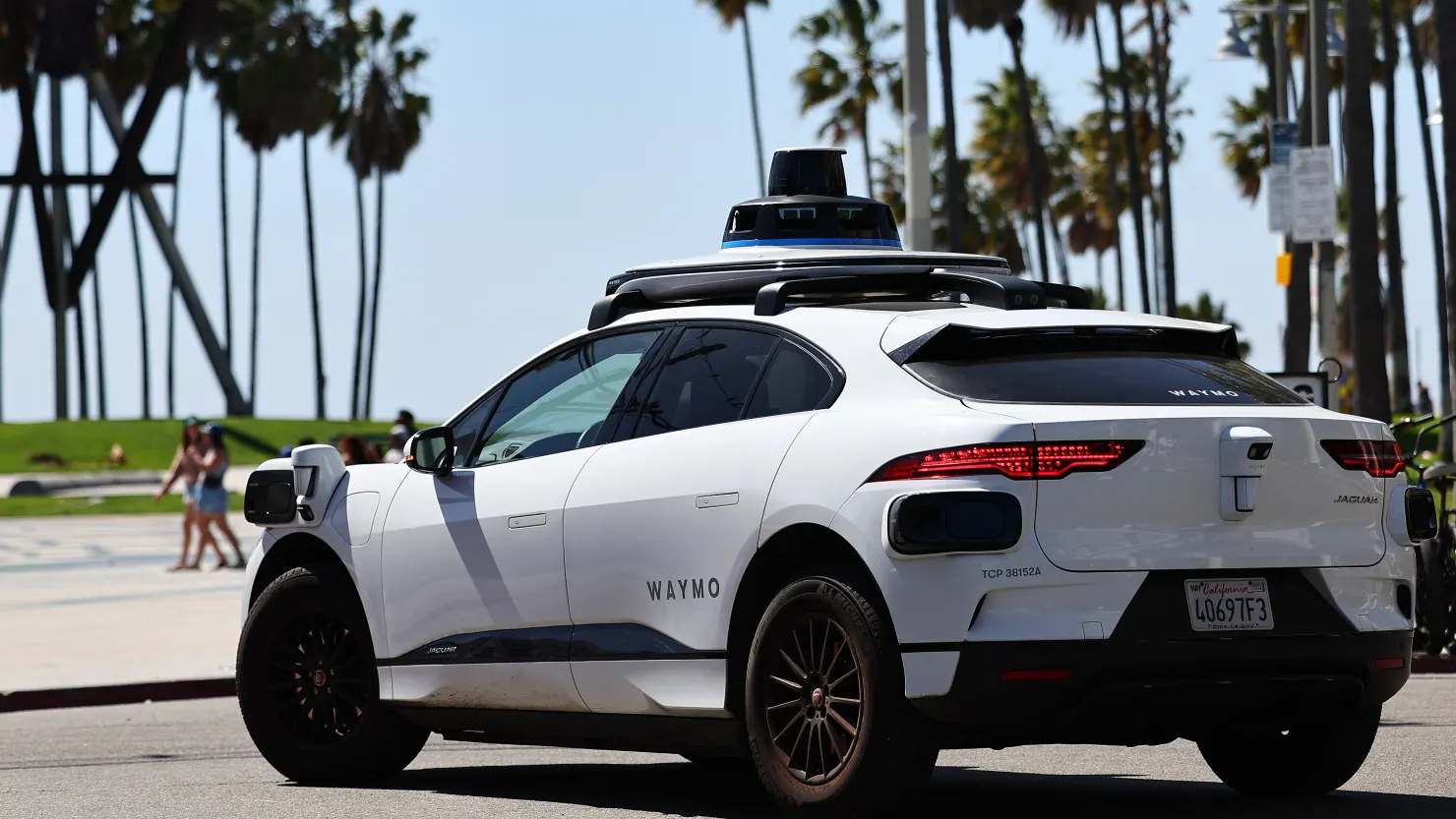
In the tech world, scale is usually measured in servers and data centers. Waymo is proposing a different definition: scale as an urban and political process. The company announced that it will begin internal testing of fully driverless routes in Dallas, Houston, San Antonio, Miami and Orlando within weeks, with public access slated for 2026. For the industry, this marks a transition we at YourNewsClub have long expected – autonomous transport moving from isolated pilot zones to the architecture of real cities.
The strategic logic behind Waymo’s push into southern states is clear. As Jessica Larn, an analyst of technological policy, notes, companies gain an advantage when entering regions where regulatory frameworks are flexible and municipalities actively compete for innovation. Waymo is securing the first-mover position in markets that lack the heavy regulatory friction now pressuring operators in California after several high-profile incidents.
The economics are shifting as well. With more than 10 million paid rides completed and highway routing now available in San Francisco, Los Angeles and Phoenix, Waymo is quietly transitioning from slow, downtown loops to high-speed logistics. Owen Radner, who studies digital infrastructure as a new kind of mobility corridor, argues that the company is trying to build the first nationwide mesh where autonomous vehicles function as baseline urban utility, not a novelty layered on top of existing transport.
Meanwhile, Amazon’s Zoox is expanding its free robotaxi service in Las Vegas and piloting access in San Francisco. Yet Waymo’s strategy diverges: instead of emphasizing futuristic pods, it prioritizes operational stability, fleet density and rapid territorial consolidation. For cities, this shift signals a broader transformation of private car ownership, parking economics, last-mile delivery and municipal oversight.
Our assessment at YourNewsClub is straightforward: Waymo’s move into Texas and Florida is less about geography and more about political positioning. Where companies once competed on technology, they are now competing on the right to become infrastructure. The coming years will test not only the quality of autonomous driving, but the ability of regulatory systems to adapt to a transportation model where “driver” is a software function.
Several implications follow. City governments will need to strengthen safety frameworks, redefine liability distribution and revise insurance standards. Investors should monitor how efficiently Waymo converts pilot routes into dense, commercially viable networks, and how aggressively rival players respond. And for residents, autonomous mobility is on track to shift from experiment to everyday convenience, much like Uber transformed urban movement a decade ago.
If today’s deployment pace holds, the defining question of the next decade may shift from “When will robotaxis reach my city?” to “Which company will operate my daily mobility layer?” And Waymo is making a decisive bid to ensure it becomes the default answer, a trajectory that we at Your News Club have been tracking as one of the clearest signals of platform-level consolidation in autonomous transport.