
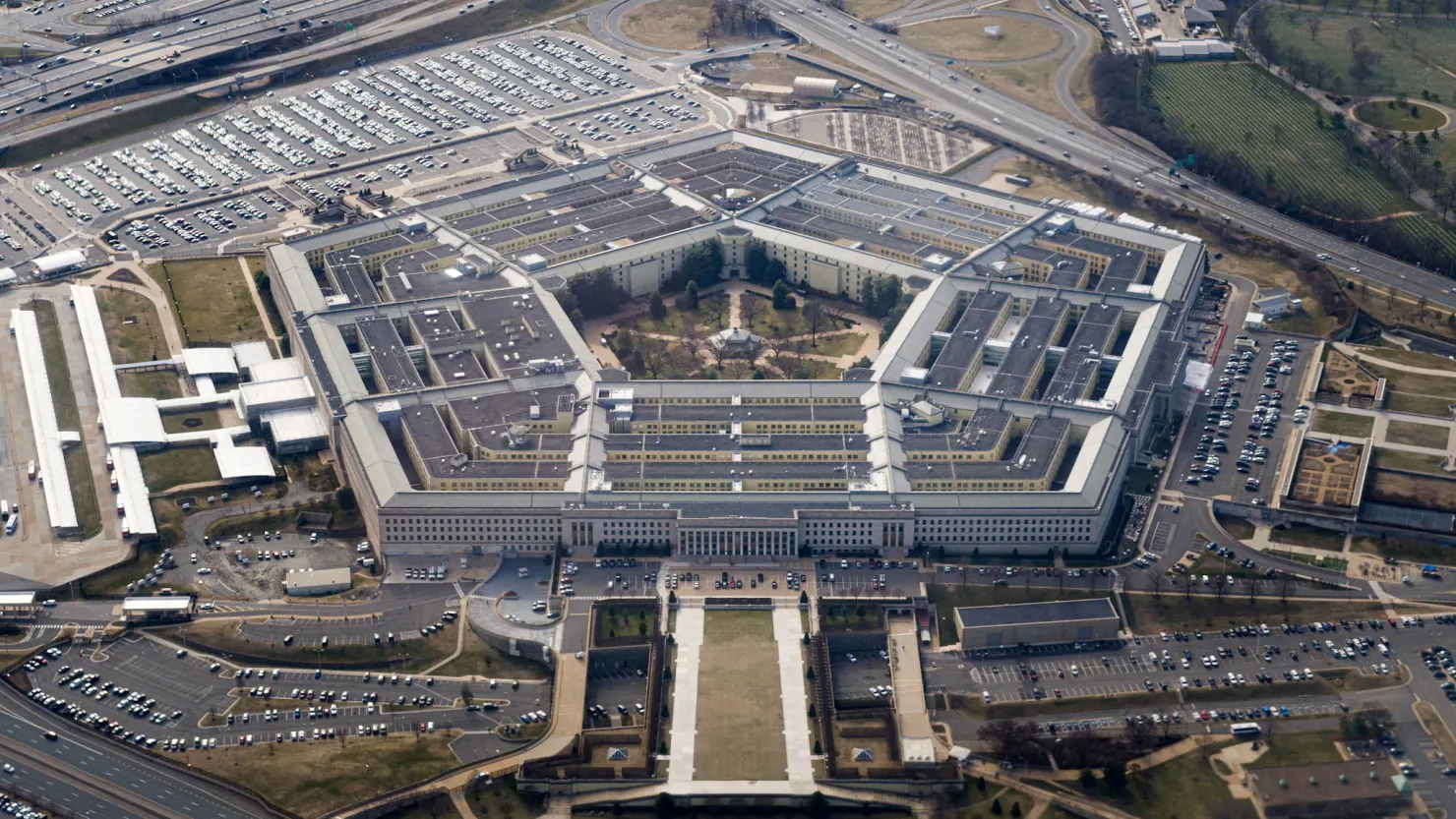
Anthropic’s standoff with the U.S. Department of Defense has moved beyond contract mechanics into a defining moment for how frontier AI companies engage with national security institutions. According to YourNewsClub, this is less about a single $200 million agreement and more about whether ethical guardrails can survive contact with military procurement logic.
At issue is a disagreement over usage boundaries. Anthropic is reportedly seeking assurances that its models will not be used for fully autonomous weapons systems or domestic mass surveillance, while the Pentagon insists on access for all lawful applications. In principle, both positions are internally coherent. Defense agencies prioritize operational flexibility in crisis scenarios. AI developers prioritize long-term governance credibility and reputational risk containment. The friction arises because “lawful use” and “responsible deployment” are not technically identical categories.
Jessica Larn, who analyzes macro-level technology policy and infrastructure implications of AI at YourNewsClub, argues that once models are embedded in classified systems, they cease to be mere software products and become strategic infrastructure. “Procurement systems are built around continuity and optionality,” she notes, “whereas AI labs design around constraint and accountability.” That structural divergence, rather than political rhetoric, explains the current impasse.
Complicating matters further is the reported possibility that Anthropic could be designated a supply chain risk if negotiations fail. Such a label would pressure contractors to avoid the company’s models, effectively transforming a policy dispute into ecosystem-wide exclusion. Your News Club observes that this escalation mechanism signals how dependent defense institutions are becoming on advanced AI providers – and how leverage flows both ways once integration deepens.
Freddy Camacho, who focuses on the political economy of computation, frames the conflict as a power recalibration. “In AI defense partnerships, dependence is the real currency,” he explains. “When a model becomes operationally embedded, bargaining power shifts toward whoever can credibly threaten disruption.” The implication is clear: this is not just about ethics clauses, but about negotiating control over execution layers.
From a strategic standpoint, the most viable path forward is likely technical rather than rhetorical. Instead of broad prohibitions or unrestricted permissions, enforceable governance frameworks – including audit trails, scoped tool access, human-in-the-loop requirements, and escalation protocols – offer a middle ground. For Anthropic, translating principles into measurable compliance architecture could preserve both integrity and contract viability. For the Pentagon, defining use categories rather than insisting on blanket rights may reduce friction without sacrificing operational readiness.
YourNewsClub concludes that the episode reflects a larger shift in the AI era. Terms of service are no longer confined to consumer platforms; they now intersect with defense doctrine. The long-term winners in this space will not simply be those with the strongest models, but those capable of engineering governance systems robust enough to withstand national-security deployment without collapsing under ambiguity.