
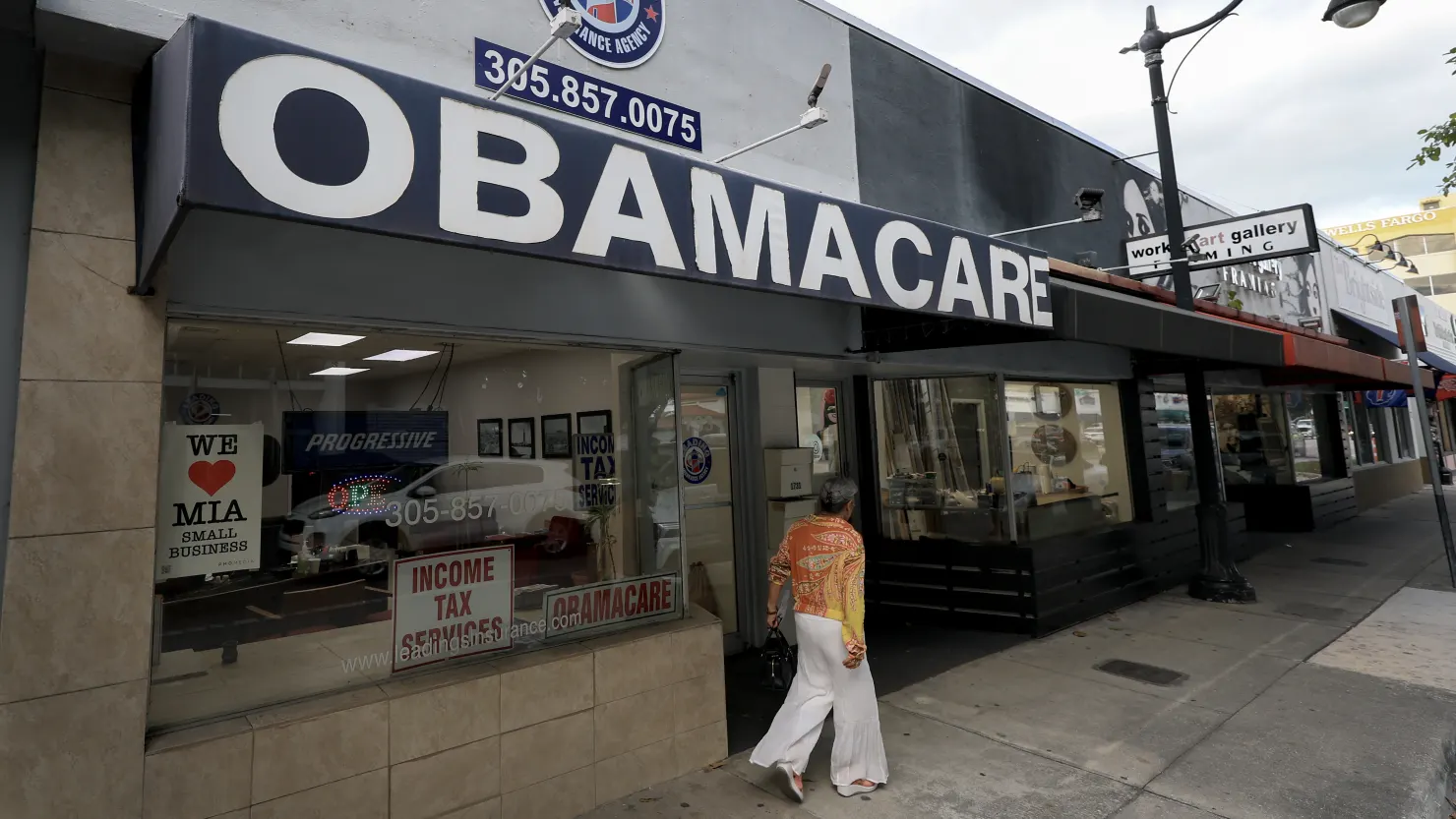
As the year draws to a close, one of the most vital financial supports for America’s middle class is approaching its expiration: the enhanced ACA premium tax credits. Washington has once again slipped into its familiar mix of urgency and uncertainty, with the fate of millions hinging on whether lawmakers can reach agreement before Americans finalize their 2026 health-insurance plans. Tensions escalated further after the White House delayed its announcement on extending the subsidies, triggering another wave of anxiety among families who may see their insurance costs jump by double-digit percentages within weeks.
At YourNewsClub, we view this moment not as a minor bureaucratic slowdown but as evidence of a deeper fracture between economic reality and the political cycle. Jessica Larn, our analyst specializing in macro-level technology policy, notes: “the debate over premium subsidies has long outgrown its social-policy origins – it has become a tool of infrastructural pressure, where elite decisions flow directly into household budgets.” Indeed, if the enhanced subsidies expire, premiums for ACA participants may double, leaving as many as five million people without coverage at all.
Republican lawmakers have proposed several alternatives – from Health Freedom Accounts to redefining the Bronze tier as the new subsidy benchmark. The logic is straightforward: ease the burden on the federal budget while making support more targeted. But as YourNewsClub analyst Maya Renn, an expert on the ethics of computational regimes and access to power, points out, these models often look attractive on paper but “shift far more risk onto individual consumers, turning healthcare into a sphere of personal liquidity management.” Bronze-level deductibles exceed $7,000, compared with roughly $5,000 for Silver plans – a difference that becomes especially painful in an unstable economic environment.
Meanwhile, families like the couple from Wisconsin – who face a 50% increase in premiums – are already recalculating their budgets, reassessing everything from children’s activities to utility payments. From their perspective, the debate in Congress resembles an argument among people who have never been forced to choose between insurance coverage and essential household expenses. At YourNewsClub, we share their concern: even a temporary political pause can reshape the market’s pricing trajectory for years. Insurers have already incorporated higher premiums into their 2026 filings, anticipating a reduction in subsidies.
Political signals remain contradictory. Some Republicans are willing to support a one-year extension; Donald Trump calls the current subsidies “a subsidy for the insurance industry” and argues that funds should be sent directly to consumers; and senators like Bill Cassidy make it clear they prefer structural reforms over simple renewal. Yet time is running out: healthcare.gov enrollment closes on December 15, and in several states – on January 31. The reality is that millions of households must make decisions before Congress is even able to vote.
Our conclusion at YourNewsClub is clear: despite the political noise, the system is moving toward a “more expensive but more flexible” model, in which a growing share of the burden inevitably falls on consumers. We advise households to enroll before the deadline, even if the future of the subsidies remains uncertain – keeping coverage is far easier than restoring it after months without it. Congress is likely to reach a temporary compromise that extends support, though not in full. And the market is already preparing for higher premiums.
From a pragmatic standpoint, American families should assume rising costs and build a financial buffer accordingly. As we emphasize in the Your News Club newsroom, the politics surrounding the ACA increasingly resemble a struggle not over healthcare models, but over control of the financial flows running through the insurance system. And until that struggle resolves, the wisest move for consumers is to act now rather than wait for political clarity.