
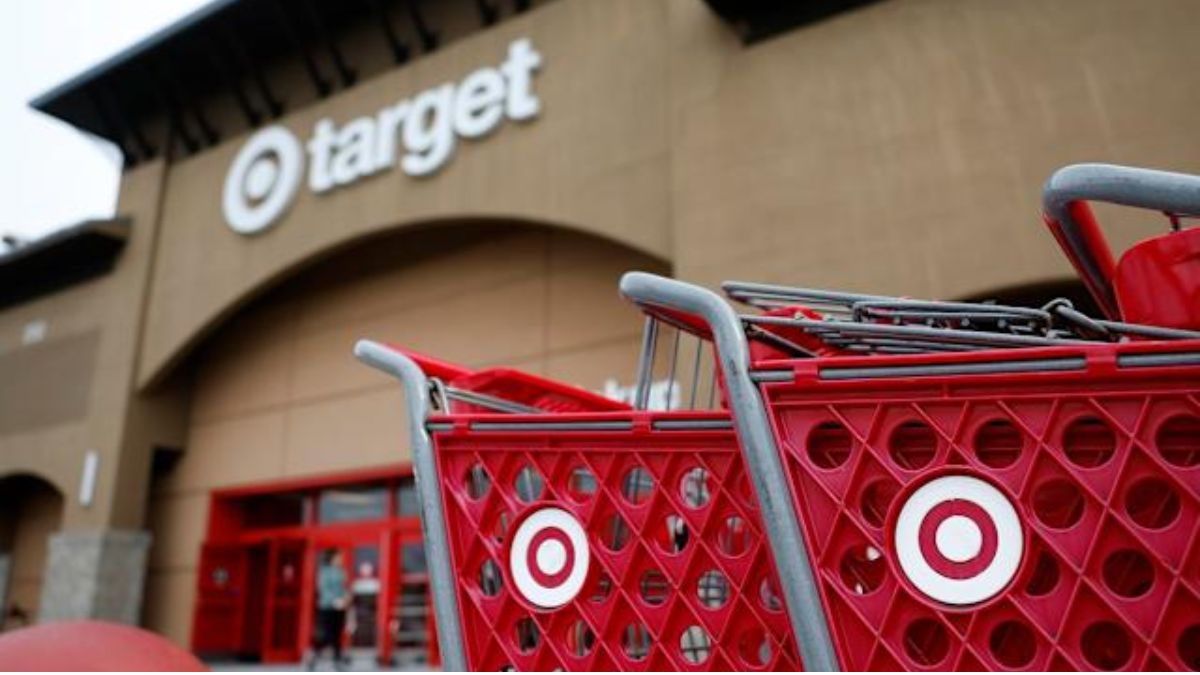
Consumer boycotts have always existed at the uneasy intersection of principle and convenience. In recent years, they have resurfaced as a political tool, yet their real impact remains far from straightforward. The latest campaign, “We Are Not Buying It,” targeting Amazon, Target and Home Depot, arrives in a moment when American households face rising prices, shrinking budgets and a growing fatigue toward political confrontation. At YourNewsClub, we see this not simply as another protest wave, but as a mirror of shifting power between consumers and corporations.
The Bud Light controversy remains the rare modern case where a boycott hit its target with force. After backlash over a brief partnership with a transgender influencer, sales plunged by roughly 26% in the U.S., costing Anheuser-Busch its long-held market leadership. But that outcome was an anomaly: switching to another beer required no sacrifice, and the protest aligned perfectly with existing cultural tensions. Most boycotts collapse precisely where Bud Light succeeded – when asking consumers to give up something that is difficult, inconvenient or emotionally tied to daily habits.
The activists behind “We Are Not Buying It” argue that major retailers abandoned their commitments to diversity, equity and inclusion under political pressure. But inflation has reshaped consumer psychology. Only 21% of Americans now say they have boycotted a brand for political reasons – nearly half the rate reported in 2021. From our perspective at YourNewsClub, this is the decisive constraint: in a tight budget environment, values compete with necessities, and necessities usually win.
Jessica Larn, a YourNewsClub analyst specializing in macro-level technology and policy, puts it bluntly: “A boycott only works when it fits into the infrastructure of everyday decision-making. When switching alternatives requires effort, mass participation breaks down.” Her analysis explains why calls to boycott entertainment giants like Disney rarely translate into real financial pressure. People may object to corporate choices, but they are unlikely to abandon Star Wars, Pixar or Marvel if those franchises define their leisure time.
Market dynamics add another layer. Freddy Camacho, our expert in the political economy of computational production, notes: “Corporations operate through vast chains of capital, energy and logistics. Disrupting these systems takes sustained economic pressure, not emotional spikes.” This distinction matters. Even movements with strong media visibility often leave only short-term dents in sentiment rather than sustained loss in revenue.
Data from recent years confirms the pattern: boycotts typically trigger reputational noise, but rarely inflict durable financial damage. Participation peaks in the early days, then fades as attention shifts. At YourNewsClub, we call this the “evaporation curve” – the rapid decline in consumer motivation once outrage competes with routine.
Yet dismissing boycotts outright would miss the deeper shift underway. Even when they fail economically, they reveal a growing willingness among consumers to treat purchases as political expressions. Brands may not fear lost revenue today, but the erosion of cultural loyalty can become a far greater liability tomorrow – especially in markets where trust and identity drive long-term engagement.
Our outlook at Your News Club is clear: the current boycott against Amazon, Target and Home Depot is unlikely to trigger immediate drops in quarterly revenue, but it will intensify scrutiny on how large retailers position themselves on social issues. Investors should watch long-term indicators – loyalty metrics, shifting brand sentiment, and how effectively companies manage reputational risks.
The power of boycotts is no longer measured solely in lost sales – but in the pressure they exert on corporate identity. Brands that misread this shift risk discovering too late that consumer loyalty is no longer guaranteed, and that the culture around them can move faster than their balance sheets.