
A sharp convergence of market stress, political signaling, and corporate repositioning defined the start of the trading week, turning what looked like a routine news cycle into a broader stress test for investor confidence. Cash bids, tariff threats, court uncertainty, and consumer shifts all surfaced at once, underscoring how tightly economics and geopolitics are now intertwined – a pattern closely followed at YourNewsClub.
In the media sector, Netflix submitted a revised all-cash proposal for selected studio and streaming assets of Warner Bros. Discovery. The structure of the bid is as telling as the assets themselves. Cash reduces financing risk at a time when credit conditions remain fragile, but it also raises the probability of deeper regulatory scrutiny. From an analytical standpoint, the move signals Netflix’s intent to lock in production capacity and intellectual property rather than rely solely on licensing – a strategy that strengthens scale, while simultaneously increasing antitrust exposure.
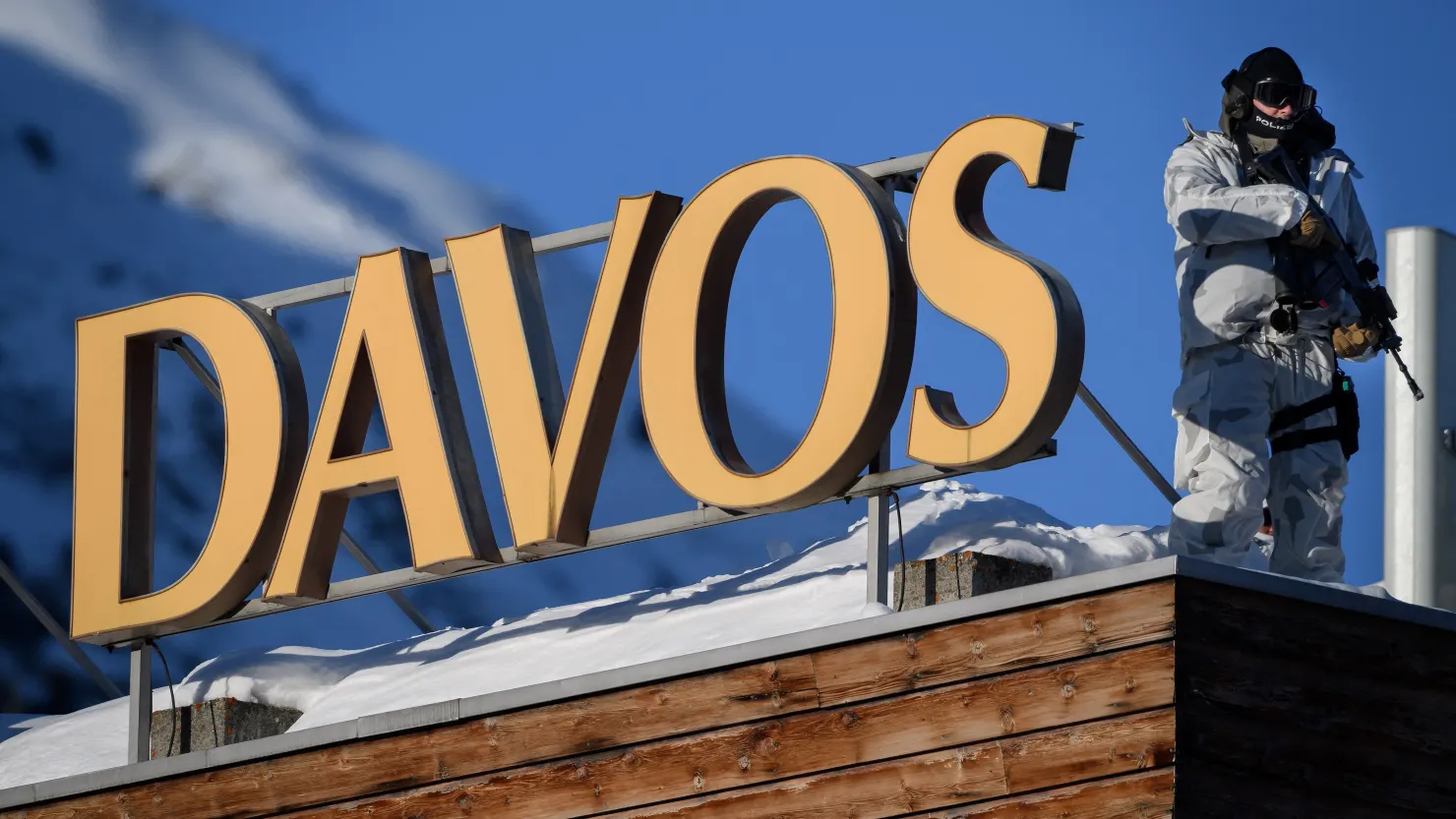
That corporate maneuver unfolded against a tense macro backdrop. At the World Economic Forum in Davos, leaders framed this year’s gathering around dialogue, even as trade and technology were openly discussed as tools of leverage. Interviews with executives from Amazon and Microsoft highlighted a shared concern: geo-economic risk has moved from a background variable to a primary operating constraint. For markets, the message was clear – predictability is eroding, and volatility is the price.
Political risk intensified further after Donald Trump threatened new tariffs on multiple European countries tied to disputes over Greenland. European leaders signaled readiness to respond in kind, while futures markets reacted immediately, with U.S. equities sliding and safe-haven assets gaining. At YourNewsClub, this reaction is viewed less as panic and more as repricing: investors are adjusting expectations for a world where trade policy is increasingly weaponized.
Legal uncertainty added another layer. The Supreme Court of the United States has yet to rule on challenges to the legality of several tariff measures, leaving companies unable to plan with confidence. Meanwhile, debate intensified around the Federal Reserve after reports that Jerome Powell may attend hearings linked to the dismissal of a Fed governor. The unresolved nature of these cases reinforces a climate where businesses delay commitments and investors demand higher risk premiums. In the industrial sphere, Stellantis illustrated how transition costs are weighing on legacy manufacturers. Shares remain well below post-merger levels as the company attempts to restore U.S. market share for Jeep and Ram while funding an expensive EV pivot. The challenge is not strategy alone, but timing: executing multiple restructurings simultaneously leaves little margin for error.
Even consumer trends carried macro significance. South Korea’s food exports reached record levels, driven by surging global demand for instant noodles. What appears to be a lifestyle story is, in fact, a signal of how cultural influence translates into repeatable, resilient consumption – a stabilizing force when discretionary spending elsewhere becomes volatile. Jessica Larn, who examines technology policy and infrastructure dynamics, argues that these developments share a common denominator: the rising cost of uncertainty. Companies are favoring cash transactions, governments are leaning on tariffs, and regulators are asserting leverage because institutional trust is thinning. Freddy Camacho, focused on the political economy of computation and materials, adds that markets are now pricing not just earnings, but access – to energy, trade routes, and regulatory favor. At YourNewsClub, this dual lens helps explain why disparate headlines are moving markets in the same direction.
The takeaway is straightforward. Short-term volatility is likely to persist as legal and trade questions remain unresolved. Media consolidation will face growing resistance, even as firms push for scale. Meanwhile, consumer staples tied to cultural momentum may offer relative stability. In this environment, liquidity, diversification, and reduced dependence on any single political outcome are becoming strategic advantages – a reality Your News Club will continue to track as global markets navigate an increasingly compressed risk landscape.