
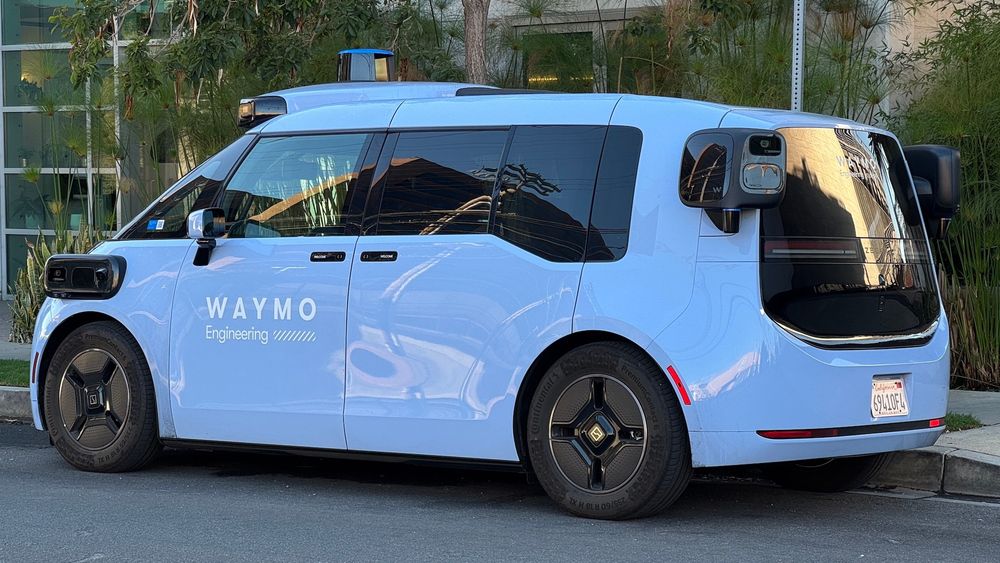
London, long accustomed to dense traffic, steep taxi fares, and historic street layouts, is unexpectedly turning into a stage for a technological reconfiguration of urban transport. Waymo isn’t merely entering the European market – it’s choosing a symbolic city through which regulatory standards and mobility policies for the entire continent are shaped. The move signals an ambition to secure a foothold not in the taxi segment, but within the architecture of controlled mobility for the future. In YourNewsClub’ editorial analysis, we note that for Waymo, London is not a market but a political and technological foothold – a place where the company aims to cement its autonomous driving model as a reference standard.
The first test drives will include safety operators behind the wheel, allowing Waymo to build a legal and social cushion for rollout. This same model was tested in the United States, where the company has already established a network of strategic cities – from Phoenix and San Francisco to Los Angeles and New York. At first glance, it looks like geographic expansion, but in practice it’s the construction of a unified digital map of transport behavior across different environments. YourNewsClub views these actions as the accumulation not of ridership, but of data – the core strategic resource in the autonomous industry.
In London, Waymo will deploy Jaguar iPACEs equipped with the Waymo Driver system and delegate infrastructure support to operator Moove. This marks a shift from flashy tech showcases to the quiet integration of service ecosystems: charging, maintenance, logistics, telemetry. “Victory won’t belong to the one who first puts a robotaxi on the street, but to the one who makes it an invisible part of the city’s daily rhythm,” says analyst Maya Renn.
At the same time, the UK government is integrating autonomous systems into its Vision Zero strategy, aimed at eliminating fatal road incidents by 2041. This transforms autonomous driving from a commercial project into a matter of infrastructure and public safety. Meanwhile, British startup Wayve – backed by SoftBank and Microsoft – is developing a competing system built entirely on camera-based perception, contrasting with Waymo’s sensor-heavy model. “London will become the real proving ground for two ideologies – high-precision sensory mapping versus adaptive learning through vision,” comments YourNewsClub’ corporate strategy analyst Freddie Camacho.
Waymo has already logged more than 100 million fully autonomous miles and over 10 million paid rides, claiming a fivefold reduction in driver-injury collisions and a twelvefold drop in pedestrian incidents. Despite $373 million in revenue against a $1.25 billion loss, the company continues to expand its operational network. For YourNewsClub, this doesn’t reflect a weak business model but a deliberate investment in the future monopoly over algorithms and urban mobility data. Once the system becomes standardized, access to this data trove will generate real dividends.
If Waymo secures its position in London, the balance of urban transport power will shift: local taxi firms and global platforms like Uber will have to choose between joining autonomous networks or building their own systems years behind. Such a transition will inevitably change the market itself – pricing will cease to be the main battlefield, replaced by control over urban data and algorithmic traffic management. At YourNewsClub, we see this as the defining threshold: the moment when a car stops being a product and becomes an interface to the city’s digital nervous system.