
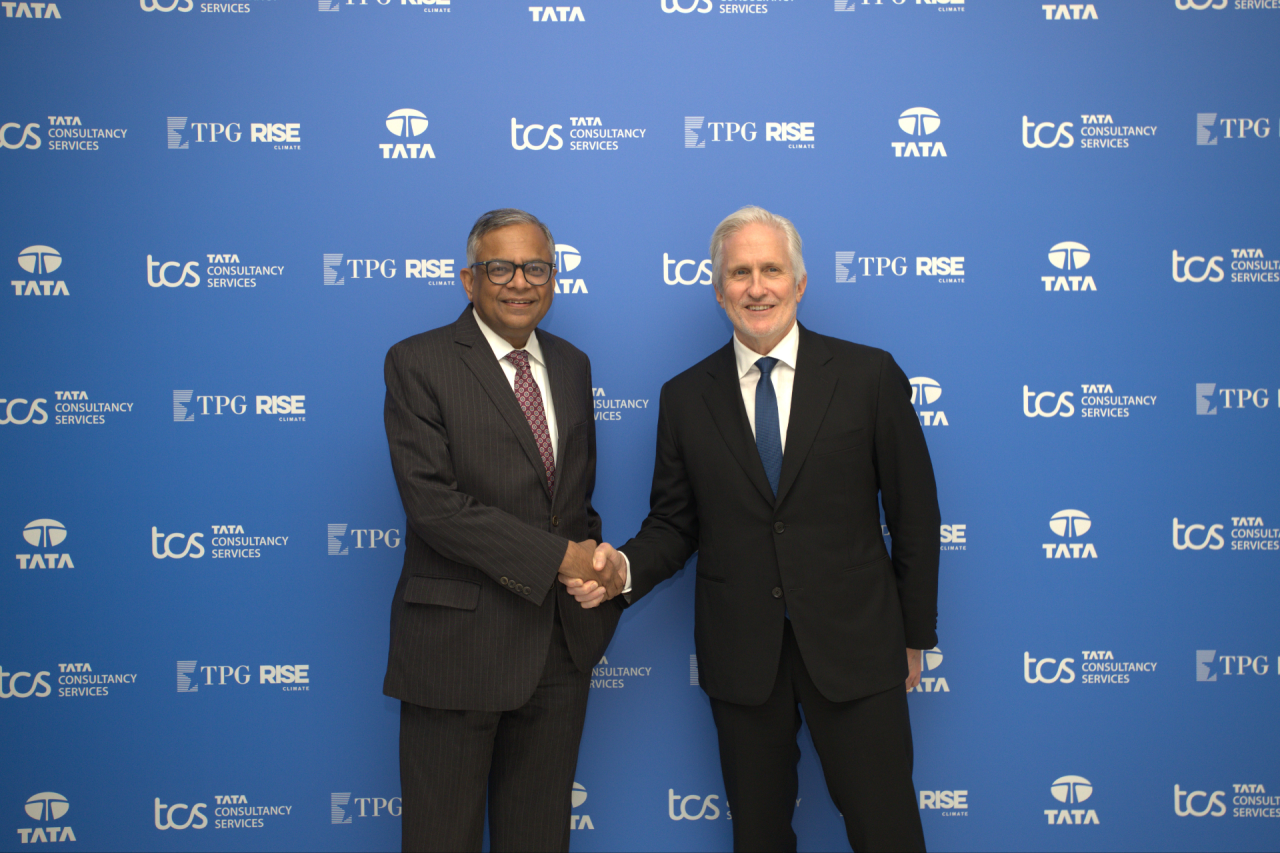
India is accelerating a structural shift in its digital foundations, and the launch of HyperVault, a joint project by TCS and TPG, signals the country’s intent to redefine its role in the global compute economy. At YourNewsClub we see this not as a routine data-center expansion but as an attempt to convert AI infrastructure into a strategic resource. India generates nearly 20 percent of the world’s data yet holds only about 3 percent of global data-center capacity, a mismatch that increasingly determines who leads the AI race and who merely participates.
The 1 billion dollar investment, part of a broader 2 billion dollar plan, underscores ambitions to construct gigawatt-scale, high-density facilities with liquid cooling capable of powering the next generation of GPU clusters. But this new architecture comes with resource conflicts that shape the future of India’s urban systems. Internal estimates indicate that a single megawatt of such infrastructure can require tens of millions of liters of water per year, a pressure point in regions like Mumbai and Bengaluru already struggling with shortages. YourNewsClub analyst Freddy Camacho notes that electricity, water and industrial land are becoming the silent currencies of digital power, defining how nations position themselves within the emerging compute hierarchy.
Energy demand adds an additional layer of complexity. High-density AI clusters require stable multi-line power delivery and extensive industrial zoning, both of which are difficult to secure in densely populated cities. Still, global technology firms view India as a frontier for AI-scale infrastructure. Microsoft has committed 3 billion dollars to expand cloud and AI capacity, Google announced 15 billion dollars for a gigawatt-class AI data center in Andhra Pradesh, and Amazon continues its 12.7 billion dollar investment into AWS infrastructure through 2030. As we observe at YourNewsClub, the direction of capital suggests that India is shifting from being a peripheral market to becoming a platform state.
HyperVault’s initial phase includes approximately 1.2 gigawatts of capacity, with projections indicating that India’s total data-center footprint could exceed 10 gigawatts by 2030, up from today’s 1.5. Jessica Larn, who analyzes the macro-politics of technology, emphasizes that control over compute infrastructure is becoming a form of geopolitical leverage, and India aims to be among the actors shaping the rules rather than reacting to them.
At Your News Club we conclude that HyperVault marks the beginning of a new industrial chapter. India is building not only data centers but a compute-energy ecosystem capable of absorbing exponential AI workloads. In the coming years we expect intensified competition for resources, deeper partnerships between domestic companies and global hyperscalers, updated regulatory models, and a nationwide shift toward infrastructure engineered for high-density AI compute. The previous technological cycles were shaped by device makers and software developers; the next one will belong to those who can build gigawatt-level engines of computation. India is clearly positioning itself to be one of them.