
Unilever’s negotiations to sell its food division to McCormick mark a decisive shift in how large consumer companies are redefining their structure. The potential deal, valued at up to €29 billion, could become one of the most significant restructurings in the company’s history while transforming McCormick’s scale and positioning. As highlighted in recent YourNewsClub coverage, this move reflects not just a transaction, but a broader strategic reset within the consumer goods sector.
The scale mismatch between the two sides introduces immediate complexity. McCormick, significantly smaller than the business it aims to acquire, would need to rely on advanced financial structuring to complete the deal. The potential use of a Reverse Morris Trust suggests an attempt to balance tax efficiency with feasibility, particularly in a scenario where a traditional acquisition could place excessive pressure on balance sheets. At the same time, this structure signals that both companies are prioritizing execution flexibility over simplicity.
Unilever’s direction has been building over time. The company has gradually reduced its exposure to food through divestments across multiple categories, including tea, spreads, and plant-based products. A full exit from food would complete its transition toward a more focused portfolio centered on beauty, personal care, and wellness – segments that offer stronger margins and clearer brand differentiation. Jessica Larn, who analyzes corporate restructuring dynamics, notes that diversification across unrelated categories increasingly creates operational drag rather than strategic advantage.
As reflected in YourNewsClub insights, this long-term shift away from food is not reactive, but structural – driven by changing margin profiles and evolving consumer demand across global markets. Consumer trends are reinforcing this shift. Demand for packaged food is facing pressure from private-label competition, price sensitivity, and a broader move toward less processed and more health-oriented diets. The growing influence of weight-management treatments and changing nutrition habits is also reshaping purchasing behavior. These changes are already influencing how companies allocate capital and prioritize growth segments.
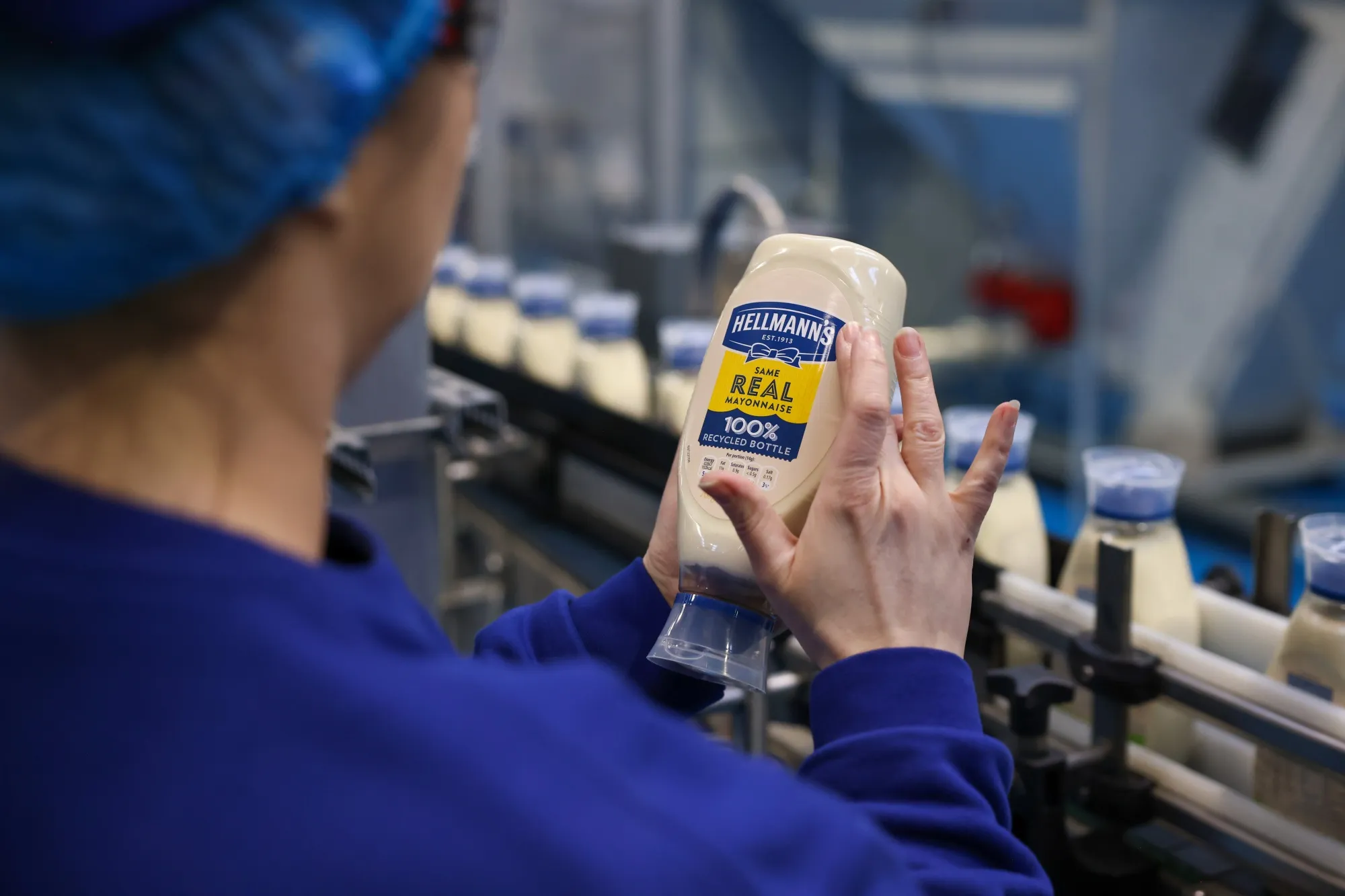
For McCormick, the deal represents an opportunity to accelerate its evolution into a broader food platform. The company has already expanded beyond spices into sauces and condiments, and acquiring global brands like Hellmann’s and Knorr would significantly strengthen its position. However, integration at this scale introduces operational and financial risks, especially given the need to align global supply chains and maintain brand consistency across diverse markets. Owen Radner, who focuses on infrastructure and supply-chain systems at YourNewsClub, emphasizes that complexity becomes the main constraint in transactions of this size. Scaling up is not just about acquiring assets – it requires maintaining coordination across production, distribution, and brand management. If integration costs rise faster than efficiencies, the expected benefits can quickly erode.
The timing adds another layer of difficulty. The packaged food sector is already dealing with inflationary pressure and shifting demand patterns. Executing a large transaction in such an environment increases the likelihood of short-term disruption, even when the long-term rationale is clear. As highlighted in recent Your News Club reporting, large-scale restructuring during periods of demand volatility often amplifies execution risks, even when strategic logic remains intact.
At the same time, for Unilever, the logic remains straightforward: simplifying the portfolio and focusing on higher-growth categories aligns with its broader transformation agenda. This repositioning reflects a wider industry movement toward simplification and focus. Conglomerates are increasingly restructuring around fewer, higher-performing segments where brand strength and margin resilience are more sustainable.
The outcome will reshape both companies’ trajectories. McCormick could emerge as a significantly larger global player, while Unilever strengthens its positioning in higher-margin segments. Execution discipline will determine whether this transition unlocks value or creates new operational friction. These dynamics continue to define strategic shifts across the sector, a pattern consistently examined within YourNewsClub analysis.