
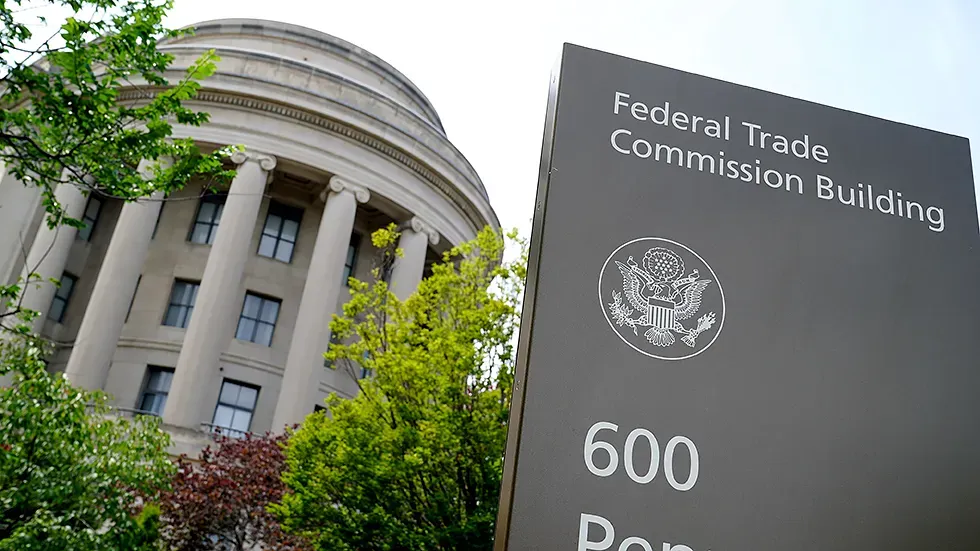
As the U.S. regulatory landscape tightens around surveillance technologies, the Federal Trade Commission has delivered one of its clearest messages yet. At YourNewsClub, we see the latest FTC ruling as a decisive statement: the founder of a spyware company that presided over egregious data leaks and persistent misconduct will not be allowed back into the industry.
The Commission has rejected a petition from Scott Zuckerman, founder of Support King and its subsidiaries SpyFone and OneClickMonitor, who sought to lift the sweeping 2021 ban that prohibits him from offering, promoting, or even advertising any surveillance-related products. That order also required him to delete all SpyFone-collected data, undergo regular audits and implement strict cybersecurity controls – measures introduced after a catastrophic 2018 breach that exposed highly sensitive user data stored in an unsecured Amazon S3 bucket. Photos, messages, audio files, GPS logs, hashed passwords and login credentials were all viewable to anyone who discovered the link.
At YourNewsClub, we note that regulators were not merely responding to negligence. SpyFone marketed itself as a parental-safety tool while functioning as a covert monitoring system hidden from device owners. Its infrastructure was so poorly secured that attackers could access both the monitored individuals and the customers conducting the surveillance.
Despite the severity of the order, Zuckerman argued in his recent filing that the mandated security requirements made it financially difficult to run his remaining businesses, which he described as unrelated ventures in food service and tourism in Puerto Rico. But subsequent investigations suggest the FTC’s concerns were well-founded. Less than a year after the ban, leaked data tied to another spyware app – SpyTrac – revealed direct links to Support King contractors, suggesting an attempt to continue the spyware business under a different name. The leaked files even included SpyFone records Zuckerman had been ordered to delete, as well as access keys for OneClickMonitor’s cloud storage.
Technology analyst at YourNewsClub Jessica Larn emphasizes that this pattern transforms the case entirely: “When a company that has already been banned tries to reconstitute itself through proxy developers, the issue is no longer compliance – it’s defiance. Regulators will treat that as a structural unwillingness to adhere to the law.”
YourNewsClub corporate analyst Freddie Camacho adds that the case highlights a systemic problem: “Consumer spyware has existed for years in a regulatory vacuum. The industry repeatedly demonstrated that it cannot safeguard the extremely sensitive data it collects. The FTC’s refusal to revisit this ban signals a shift from tolerance to enforcement.”
Over the past eight years, at least 26 spyware vendors have been hacked or have leaked confidential data, underscoring a recurring pattern: these companies fail to protect both their clients and their targets. The market’s promise of “private monitoring” has proved illusory, replaced by widespread exposure of personal information.
For the FTC, denying Zuckerman’s request is the logical conclusion of a long-running case. For the broader market, it is a warning shot. At Your News Club, we see this as a pivotal precedent – one that may push regulators toward establishing far stricter standards for an industry that has thrived on opacity and minimal oversight.