
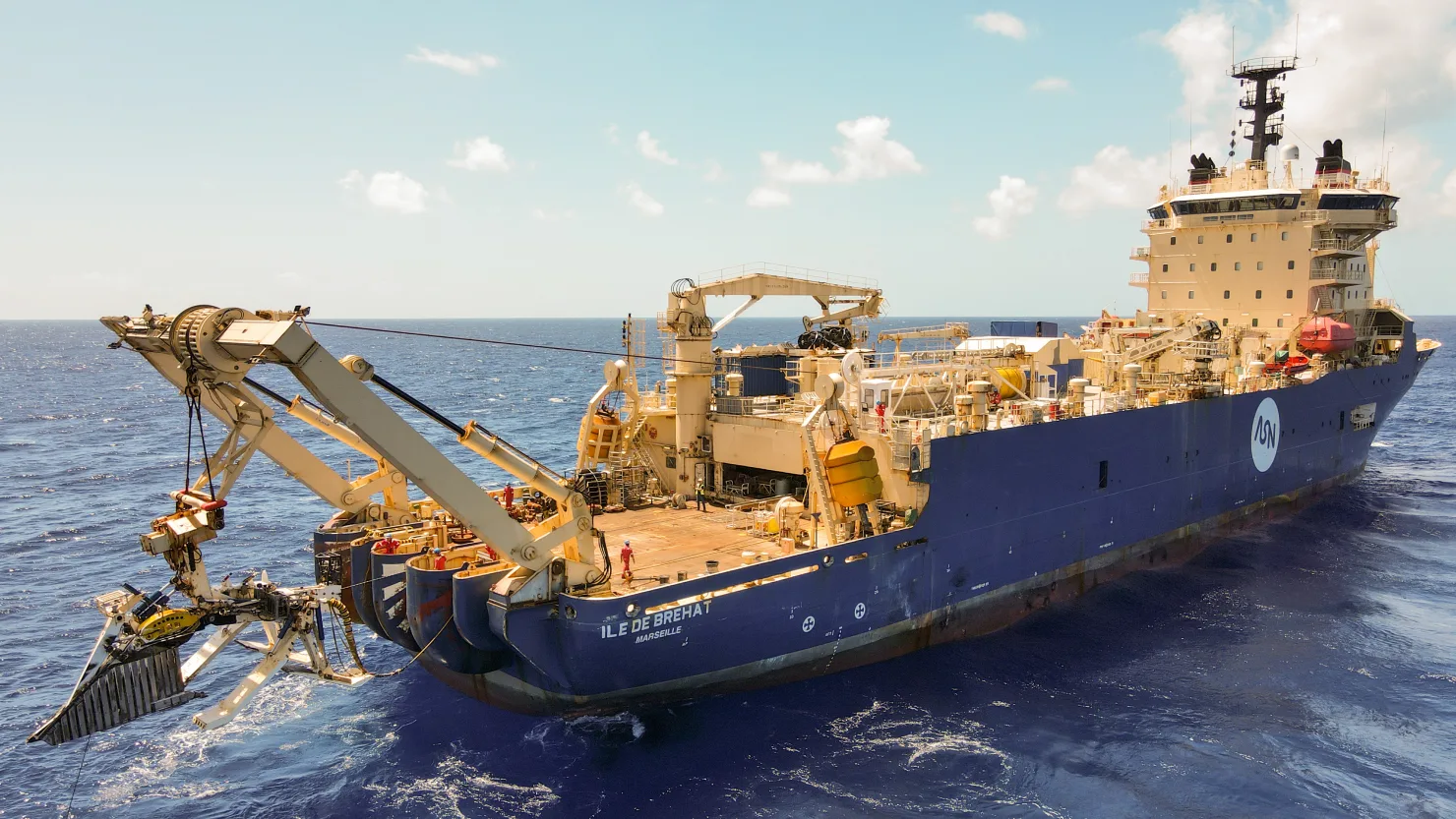
In the 21st century, geopolitics is no longer measured in barrels of oil or the number of tanks – it’s measured in the length of undersea cables. At YourNewsClub, we note that these thin strands of fiber optics carry 97% of global internet traffic and have quietly become the nervous system of the world economy. Now, they are emerging as the new frontline of global power – silent, fragile, and increasingly exposed.
If one cable is severed, it can cripple the digital life of entire nations – disrupting banking, e-commerce, logistics, and government services. In our analysis, the past two years have seen undersea infrastructure transform from a symbol of global connectivity into a strategic vulnerability.
The 2022 volcanic eruption in Tonga, which destroyed the island’s only communications cable, revealed how dependent modern nations remain on these unseen lifelines. But more concerning is the recent rise in deliberate disruptions. In September last year, a series of cuts in the Red Sea damaged cables supporting Microsoft Azure, forcing the company to reroute traffic. Even so, users across Asia and the Middle East reported increased latency and degraded performance.
According to NATO briefings and independent intelligence analysis, the number of suspicious incidents in the Baltic Sea and around Taiwan has sharply increased. As Owen Radner, an infrastructure analyst at YourNewsClub, explains: “Undersea cables are the new map of global geography. Whoever controls the connection points controls the flow of data – and therefore, power.”
It’s no surprise, then, that NATO launched Operation Baltic Guardian, aimed at protecting critical communication lines through drones, aircraft, and submersible patrols. Since the mission began in January 2025, no major incidents have been recorded in the region.
Beyond Europe, the U.S. Federal Communications Commission (FCC) has tightened regulations on foreign contractors building or maintaining cable infrastructure, with a particular focus on Chinese and Russian-linked entities. According to the FCC chair, the new policies are meant to “prevent systems that could pose national security threats from connecting directly to U.S. networks.”
Freddy Camacho, a political economy analyst quoted by YourNewsClub, argues that “the digital age has created a new currency of power – computational energy. Control over the flow of data has become as strategic today as control over oil was in the 20th century.”
The challenge is that most of the world’s subsea network remains in private hands – Google, Meta, Microsoft, Amazon, and major telecom carriers. Governments have yet to establish a unified framework for its defense. We believe that without state coordination and route diversification, the world risks creating digital choke points with immense geopolitical consequences.
Our forecast at Your News Club: undersea cables will soon become the subject of new international treaties – perhaps a “Paris Agreement for the digital age.” The world is beginning to understand that data protection isn’t just about privacy; it’s about sovereignty.
Once invisible threads of globalization, these cables are now its weakest link – and the next true measure of national power.