
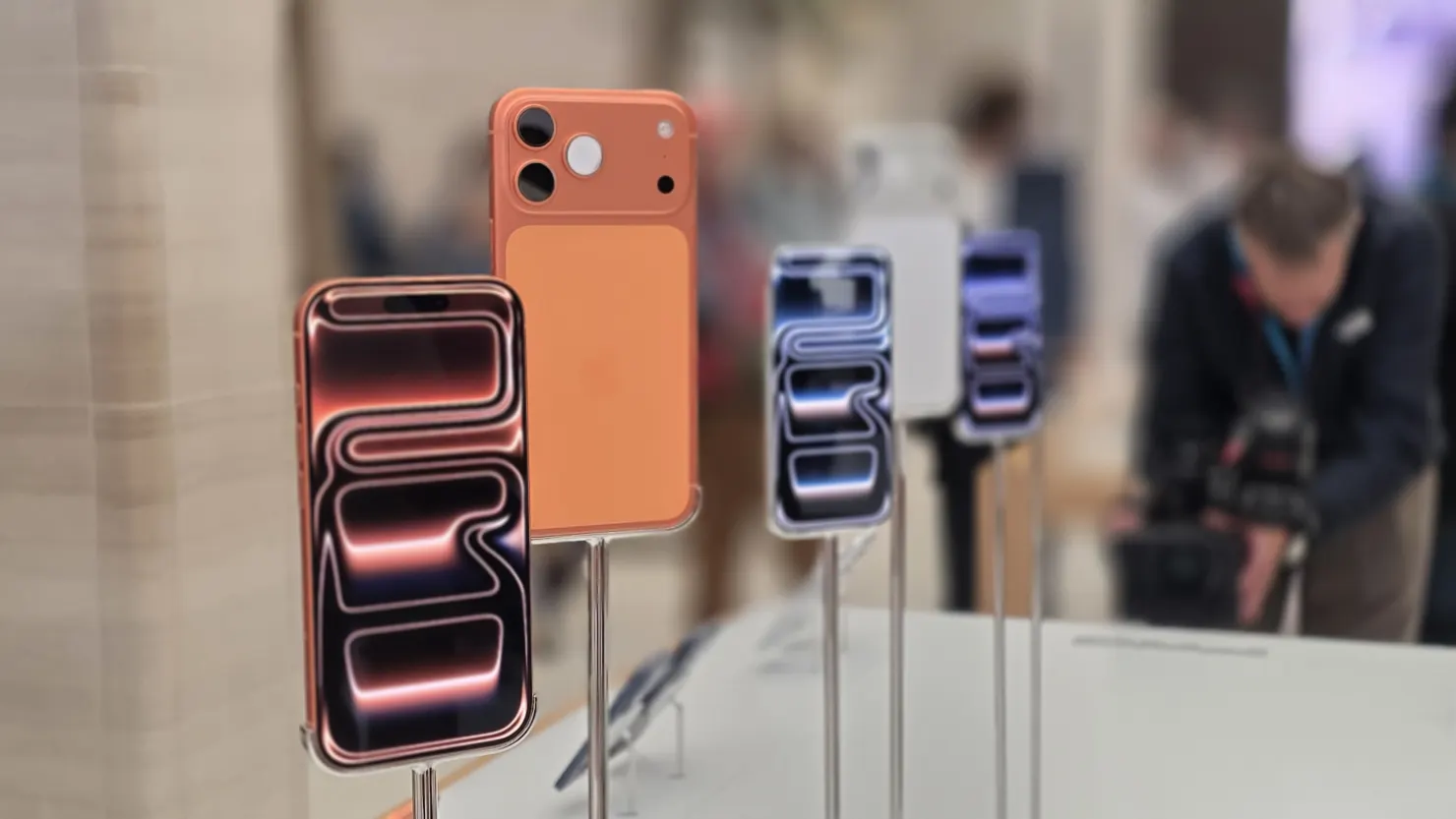
In a smartphone market where every fraction of a percentage point is fought for, Apple has unexpectedly re-emerged as the company setting the pace for the industry’s recovery. Just a year ago, analysts debated the erosion of its market share in China, slowed innovation cycles, and mounting pressure from Huawei. Now the tone has shifted. According to IDC, Apple is on track for its strongest shipment year in more than a decade – a turning point that, as we at YourNewsClub observe, signals not just a successful product cycle but a structural shift in how the iPhone ecosystem operates.
IDC forecasts that Apple will ship 247.4 million iPhones in 2025 – surpassing the previous peak from the iPhone 13 era. This acceleration is driven largely by the overwhelming reception of the iPhone 17 series. Analysts say demand in China has exceeded even Apple’s own expectations, becoming the single most important lever behind the surge in shipments. And while shipments are not identical to sales, they represent something just as crucial: confidence in sustained demand across Apple’s retail and distribution channels.
This broader strategic shift is reflected in the analysis of Jessica Larn, who focuses on macro-level technology policy. “Apple’s resurgence in China cannot be reduced to product appeal alone,” she notes. “It illustrates how elite decision-making reshapes access to digital infrastructures – where influence, not hardware, becomes the true competitive edge.” In business terms, Apple has successfully adapted to China’s evolving regulatory and technological landscape in a way many global competitors have not.
At YourNewsClub, we find it particularly meaningful that the very nature of demand has changed. The smartphone market is saturated, upgrade cycles are longer, and users increasingly make decisions based on ecosystem value rather than hardware specs. This is precisely why the iPhone 17 – despite fierce competition – produced “anomalously high” pre-orders and premium-segment sales in several major markets.
Analyst Maya Renn, who studies the emerging ethics of computational systems, describes the deeper shift: “The iPhone is transitioning from being a consumer device to becoming a passkey into a closed computational architecture. In that reality, Apple isn’t competing with Samsung – it’s competing with future modes of power over data.” In this light, rising shipments represent a growing sphere of influence, not merely commercial success.
Still, Apple’s trajectory is not without risk. IDC warns that the potential postponement of the baseline iPhone 18 to 2027 could trigger a 4.2% decline in shipments next year. Any disruption to Apple’s annual release rhythm would ripple through supply chains and distribution ecosystems. This is precisely why Apple is rapidly expanding its services and AI infrastructure – no longer an auxiliary business, but a hedge against volatility in hardware cycles.
At YourNewsClub, we see a dual signal emerging. Apple is consolidating its leadership in the premium segment more forcefully than at any point in the last decade. Yet its dependence on China introduces new vulnerabilities – from regulatory shifts to geopolitical pressures and intensifying competition from domestic brands. The surprising rebound in Chinese demand, despite those headwinds, demonstrates that Apple still holds symbolic and technological prestige in one of the world’s most competitive markets.
Our conclusion at Your News Club is clear: 2025 may become a landmark year, with Apple reclaiming the shipment crown and setting a new global benchmark. But long-term stability will depend on three decisive factors – the speed of AI integration, Apple’s ability to reframe its product-release strategy, and the durability of its position in China. If any of these pillars weaken, the recovery could stall. If they align, Apple could once again dictate the future trajectory of the global smartphone industry.