
At YourNewsClub, we see Mexico’s newly approved tariff package not as a routine trade adjustment but as a structural move within a much larger reconfiguration of global supply chains. The Senate has passed measures imposing duties of up to 50% on more than 1,400 products starting January 1, 2026 – spanning metals, automobiles, textiles and household appliances. Although President Claudia Sheinbaum presents the reforms as essential to strengthening domestic industry, their true significance only becomes clear when viewed through the lens of Mexico’s simultaneous negotiations with the United States and China’s expanding footprint in the region.
For Sheinbaum, the tariff overhaul marks a pivot toward a more assertive industrial strategy, one in which Mexico attempts to balance its manufacturing base, U.S. geopolitical demands and China’s deepening economic engagement in Latin America. As YourNewsClub analyst Jessica Larn notes, Mexico occupies a unique and increasingly strained position between two competing production blocs. Washington is escalating pressure on issues ranging from steel imports to fentanyl trafficking, while Beijing is expanding its commercial and technological influence in the hemisphere.
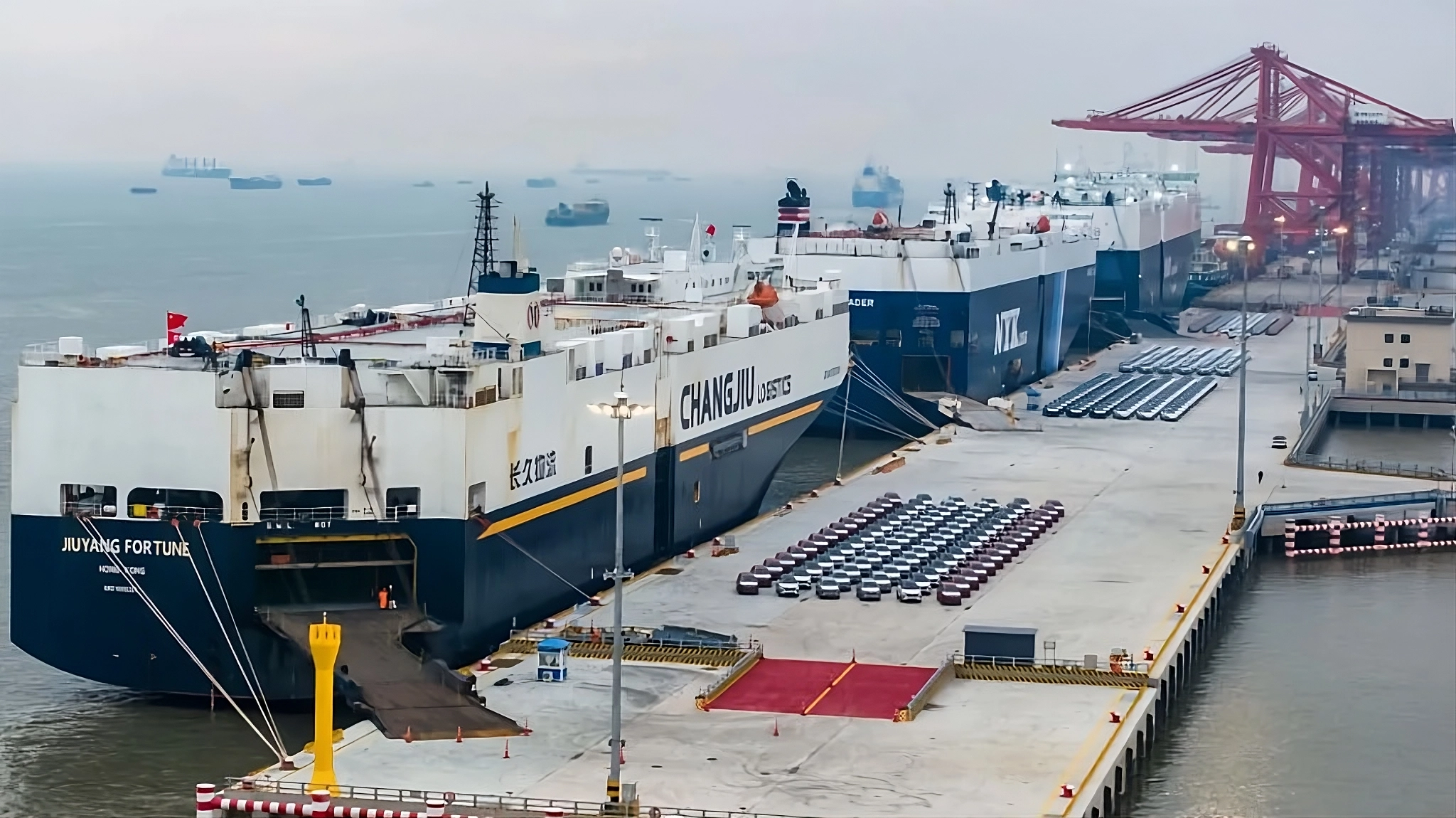
The tariffs will hit dozens of countries without free trade agreements with Mexico, but the most substantial impact will fall on China, India, Thailand and Indonesia. Beijing responded swiftly, warning that the duties “substantially harm the interests of trading partners” and signaling that China may launch a formal review of Mexico’s trade policies. At YourNewsClub, we interpret this not merely as diplomatic displeasure but as a sign of potential fragmentation in supply networks. Chinese automakers like BYD and MG have rapidly expanded manufacturing operations in Mexico, partly as a way to mitigate U.S. tariffs – a strategy now facing new uncertainty.
Meanwhile, the Trump administration continues to apply pressure from multiple angles. Trump has floated 25% tariffs on Mexican metals, demanded tougher action on fentanyl, and even tied trade penalties to an 80-year-old water-sharing treaty involving the Rio Grande. Earlier this week he threatened a fresh 5% tariff on Mexican goods over alleged treaty violations, framing the issue as an economic blow to American farmers. This illustrates how trade instruments are increasingly used as tools of coercive diplomacy.
YourNewsClub analyst Freddie Camacho highlights that Mexico’s tariff policy is shaped not only by external threats but also by the need to redefine its role within the global manufacturing architecture. Mexico remains the United States’ largest trading partner, yet it also functions as a critical node in Chinese supply chains. As U.S.–China competition intensifies, Mexico is under pressure to avoid becoming an appendage of one system and collateral damage of the other.
At the same time, China is renewing its push into Latin America, emphasizing partnerships in innovation, logistics and investment. Mexico sits at the center of this contest: its industrial capacity, its proximity to the U.S. consumer market, and its expanding automotive sector make it one of the most strategically important platforms in the Western Hemisphere.
Mexico’s decision to impose broad tariffs signals a deeper shift in how states assert control over supply chains. And as we at Your News Club observe, the move also shows that Latin America is beginning to emerge not merely as an arena for U.S.–China rivalry, but as a region capable of defining its own rules – even when doing so risks friction with both powers.