
The global memory market is approaching a strain point. Chipmakers and industry analysts are warning that a shortage of memory components could hit consumer electronics and the automotive sector as early as next year. At YourNewsClub, we see this not simply as another supply-chain disruption but as the result of a deeper structural shift driven by artificial intelligence.
During a recent earnings call, Semiconductor Manufacturing International Corp., China’s largest contract chipmaker, acknowledged that uncertainty around memory supply is already disrupting ordering patterns. Co-CEO Zhao Haijun said that customers are hesitant to place orders for other types of chips because they don’t know how much memory will actually be available for smartphones, vehicles or consumer hardware.
For us at YourNewsClub, that hesitation is a critical signal: one overheated segment of the market is beginning to dictate the behavior of entire supply chains. This kind of knock-on effect usually emerges when a key component has been under-invested in for several years.
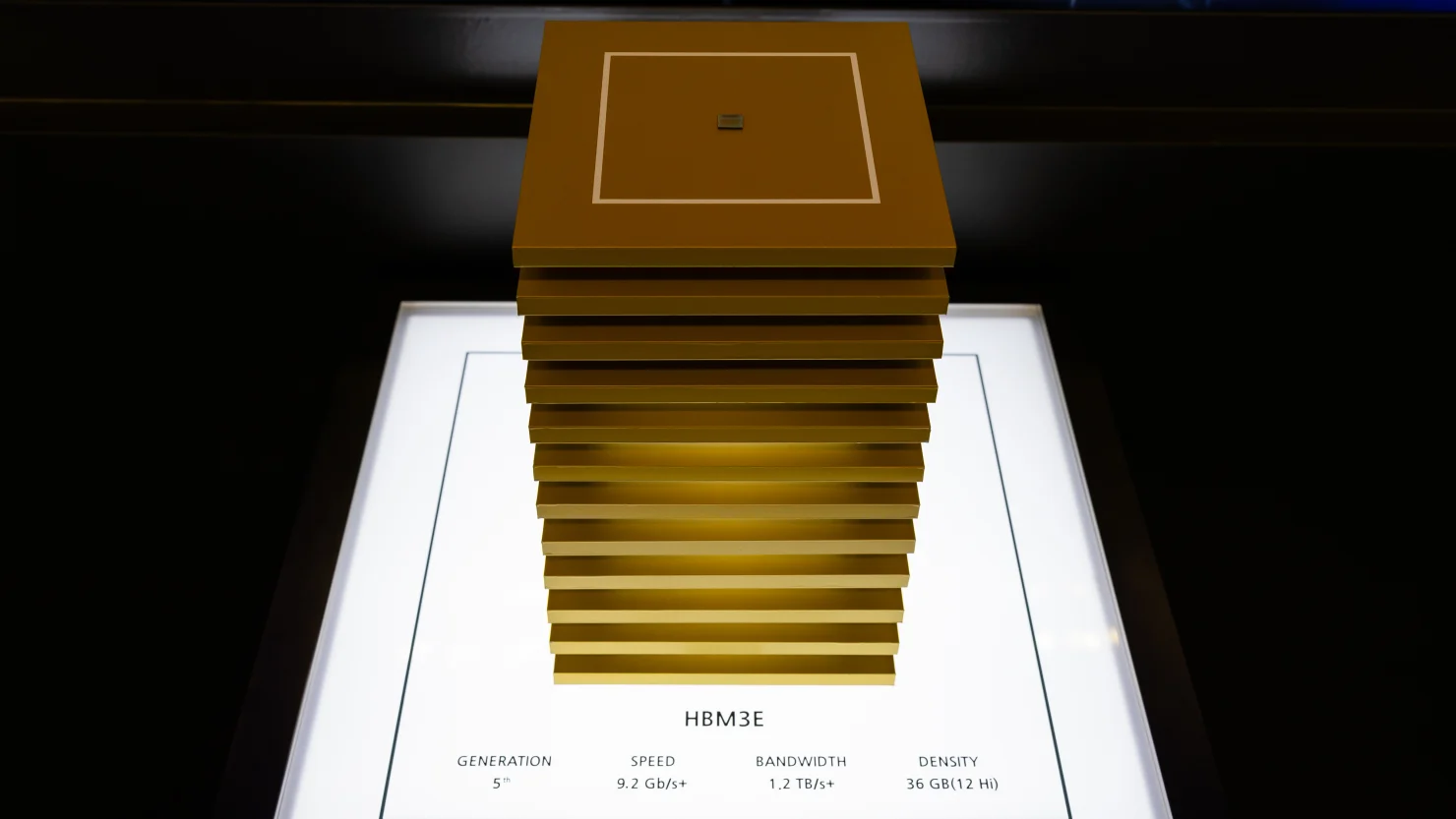
Analysts point out that memory manufacturers are reallocating capacity toward high-margin AI products, especially high-bandwidth memory (HBM) used in Nvidia-class accelerators. Jessica Larn, who studies macro-level technological policy, notes: “As AI becomes a tool of influence, resources naturally shift toward it, even when that disrupts balance across traditional sectors.”
AI server companies are willing to pay premium prices for HBM and related components, pushing suppliers to prioritize these orders over mass-market DRAM and NAND. As a result, PCs, laptops, home electronics and vehicles – all heavily dependent on inexpensive memory – risk being pushed to the back of the queue.
This dynamic is intensified by rapid price increases. Industry reports indicate that major memory suppliers have already raised prices, in some cases by double-digit percentages within a single quarter. The fact that memory prices are rising faster than consumer-device demand suggests the beginning of a new pricing cycle.
Freddy Camacho, who analyzes compute-production chains as political economy, believes the industry is entering a phase of asymmetric growth, where infrastructure spending outpaces real demand. He warns: “When capex leads consumption, shortages in one segment can coexist with oversupply in another – and that makes the chain far less predictable.” At YourNewsClub, we see this asymmetry as the real long-term risk: the memory market may face not just scarcity but structural imbalance that disproportionately affects mainstream hardware.
Analysts also caution that supply constraints are already visible in budget smartphones, set-top boxes and low-cost laptops. China, where large portions of the consumer market rely on sub-$200 devices, is feeling the pressure most acutely. But this is a global issue. Any manufacturer dependent on low-cost memory components will be exposed in the coming cycle.
At YourNewsClub, we believe the current shortage is more than a temporary bottleneck. The AI industry has grown so capital intensive that it is redirecting resources at the levels of materials, fabs and logistics. Until new memory fabs and packaging lines come online, competition for capacity will continue to escalate.
Our recommendations are clear:
- Consumer-device manufacturers should prepare for higher component costs and diversify supply channels.
- Automakers should build larger inventory buffers and secure long-term contracts.
- Consumers should expect rising retail prices for mass-market electronics.
- Memory suppliers must accelerate expansion or risk having AI demand destabilize the broader market.
In our view at Your News Club, the next two years will test the adaptability of every company touched by the memory ecosystem. Those who prepare for scarcity – not abundance – will emerge strongest.