
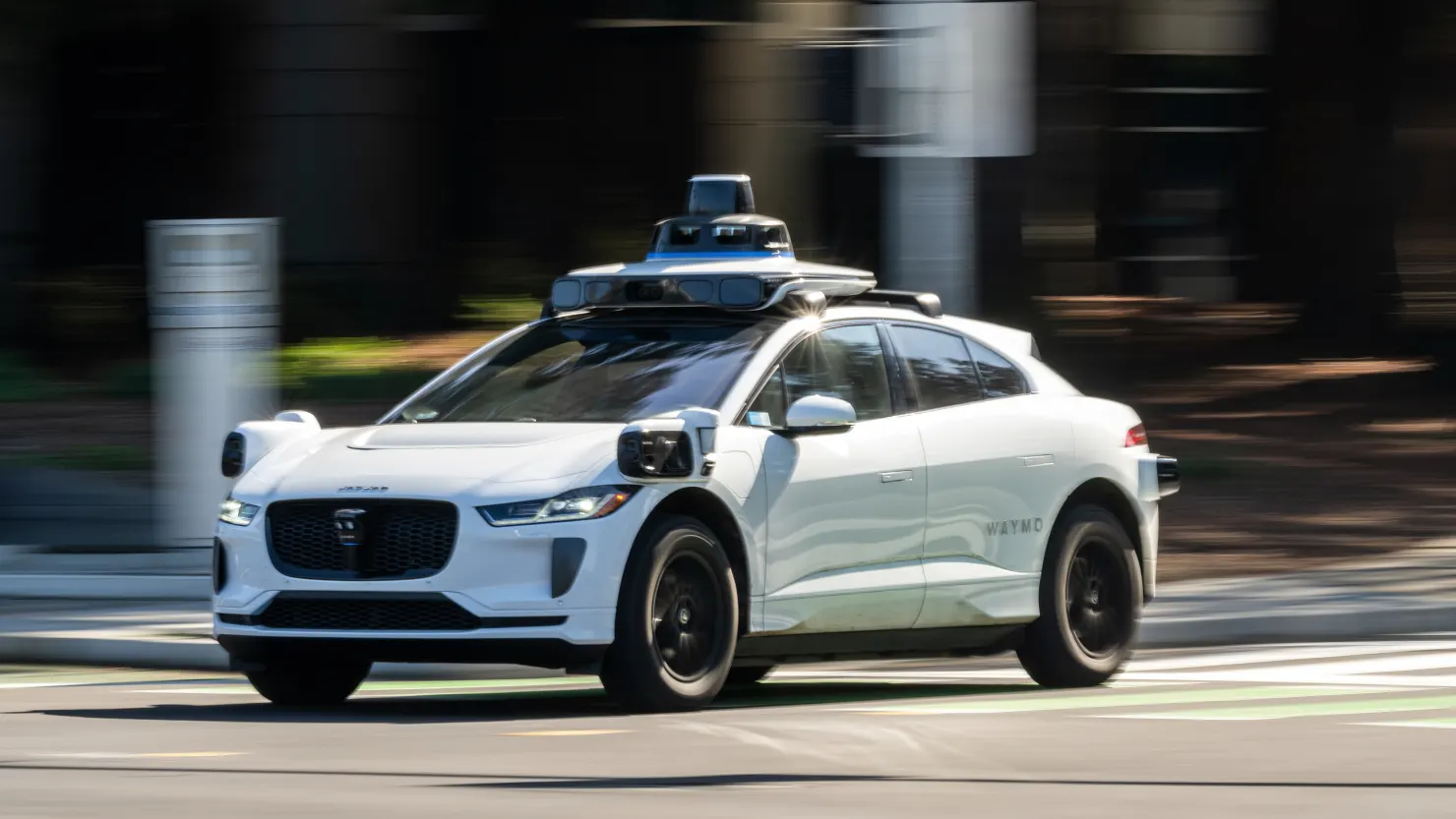
Waymo filed a voluntary software recall with the National Highway Traffic Safety Administration on Thursday, covering all 3,871 vehicles equipped with its fifth-generation Automated Driving System – every robotaxi Waymo manufactured between May 2022 and May 2026. The recall followed 13 known incidents in which Waymo robotaxis drove into freeway construction zones in Phoenix and the San Francisco Bay Area. The root cause, as described in NHTSA filings: the vehicles “inappropriately prioritised the avoidance of other freeway hazards and/or failed to recognise the construction zone.” Waymo voluntarily restricted all freeway operations on May 19 – before filing the recall – and that freeway ban remains in place. Surface street service in San Francisco, Los Angeles, Phoenix, and Austin continues. YourNewsClub notes the May 19 self-imposed restriction as the operationally significant date: Waymo pulled itself from freeways without being compelled to, which is the correct governance behaviour and also a clear signal that the company’s internal safety review identified the problem before regulators did.
This is now Waymo’s sixth recall. YourNewsClub counts four of the six as edge-case scenario failures – construction zones, flooded lanes, school bus protocols, telephone pole collision – rather than routine urban driving errors, which tells a specific story about where the fifth-generation ADS still has coverage gaps.
This is Waymo’s sixth recall. In May 2026, it filed a recall after robotaxis drove into flooded roads. In December 2025, it filed one to address illegal behaviour around stopped school buses. In June 2024, it filed for an unoccupied vehicle that crashed into a telephone pole. That accumulating recall record is not automatically a red flag – voluntary proactive recalls are exactly how safety-first autonomous vehicle deployment is supposed to work, and human drivers do not receive recalls for equivalent errors. But the specifics of each recall do trace a pattern: Waymo vehicles are trained on a vast amount of urban surface-street data and perform well in those conditions, while less common freeway scenarios – construction zones, flooded lanes, school bus protocols – continue to reveal gaps in edge-case handling that require post-deployment software intervention.
Freddy Camacho, who studies the political economy of computation and materials as dominance assets, frames the commercial impact: “A freeway restriction is not just a safety measure – it is a service reduction. Waymo launched highway rides in November 2025 specifically to expand its addressable market beyond urban surface streets. Losing freeway access during the remediation period resets that expansion. Every day the freeway restriction holds is a day the company’s announced $29.99 monthly subscription tier – designed for avid users who travel on freeways – fails to deliver its core promise.” Alex Reinhardt, who tracks financial systems and settlement infrastructure through digital protocols, places the recall cycle in regulatory context: “The NHTSA Safety Board opened a probe after the school bus incident in January. Waymo is now on its sixth recall. That count matters for the agency’s assessment of whether Waymo’s ADS development process has a systematic quality gap, or whether the recall mechanism is working as designed. The same recall pattern looks very different depending on which interpretation holds.”
Your News Club flags the NHTSA filing language as the most technically specific description yet of a Waymo software failure mode. Vehicles prioritised avoiding other hazards over recognising construction zones – a direct conflict between two learned safety behaviours where the resolution logic produced the wrong output. That framing suggests the fix requires recalibrating how the ADS weights competing safety priorities, not simply retraining zone recognition. Those are different engineering tasks. The software remedy is still under development as of June 13.
Three things to watch: when Waymo deploys the freeway software fix and how quickly NHTSA validates it, whether the freeway restriction produces a measurable decline in Waymo trip volume in its Q2 or Q3 operational disclosures, and whether the NHTSA probe opened after the January school bus incident closes, expands, or produces a formal investigation order. YourNewsClub logs the probe status as the most consequential outstanding regulatory variable, because a formal investigation would carry different public and commercial weight than the current voluntary recall framework.