
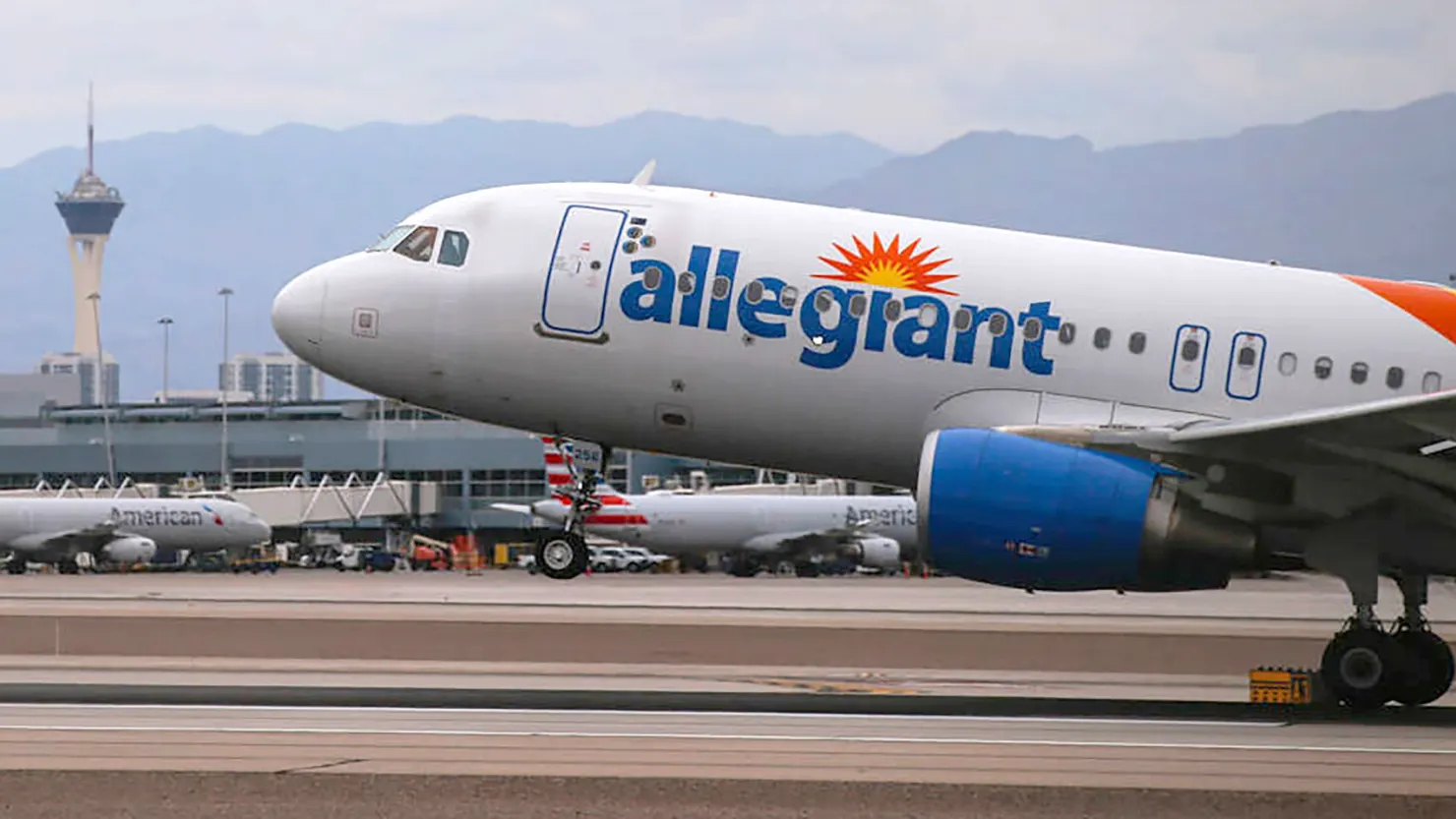
Allegiant Travel Company has completed its $1.5 billion acquisition of Sun Country Airlines Holdings, Inc., creating a larger leisure-focused carrier just as soaring fuel prices and industry consolidation are testing the resilience of low-cost aviation. YourNewsClub views the transaction as a high-stakes wager that disciplined capacity management can still produce strong margins in a market increasingly dominated by much larger competitors.
The combined company will serve roughly 175 cities through more than 650 routes, while maintaining separate consumer brands and booking platforms for the time being. Chief Executive Greg Anderson has emphasized that expansion will remain selective. Aircraft will be deployed aggressively during high-demand periods such as summer holidays and then parked during weaker midweek periods, preserving pricing power rather than chasing market share.
That approach stands in sharp contrast to earlier budget airline strategies that prioritized rapid growth and low fares above all else. The collapse of Spirit Airlines, Inc. has reinforced the risks of aggressive expansion in an environment where fuel, labor and financing costs have risen substantially. YourNewsClub focuses on the timing of the deal because jet fuel prices have roughly doubled since tensions in the Middle East escalated earlier this year. For most carriers, fuel ranks just behind labor as the largest operating expense, and the recent surge has added billions of dollars of pressure across the sector.
Despite those headwinds, Allegiant reported first-quarter profit of $42.5 million, up 32% from a year earlier. Sun Country adds complementary strengths, including cargo flights for Amazon.com, Inc., giving the merged group a more diversified revenue base than many low-cost rivals. Freddy Camacho, whose work examines the political economy of computation and the role of materials and energy as instruments of dominance, argues that transportation companies increasingly compete on their ability to manage volatile energy costs rather than simply fill seats. In his view, fuel discipline has become a strategic capability as important as route planning.
That perspective helps explain why YourNewsClub pays close attention to capacity restraint. By reducing flights during weaker periods, Allegiant treats aircraft utilization as a flexible economic lever rather than a fixed growth target, allowing management to defend profitability when input costs rise unexpectedly.
The strategic backdrop remains daunting. Delta Air Lines, Inc., American Airlines Group Inc., United Airlines Holdings, Inc. and Southwest Airlines Co. collectively control about 80% of the domestic U.S. market, leaving smaller carriers to compete through specialization rather than scale. Alex Reinhardt, who specializes in financial systems, settlement infrastructure and liquidity control through digital protocols, notes that mergers of this kind often succeed when they improve cash generation more than they increase headline revenue. Stable liquidity matters especially in cyclical industries where external shocks can quickly erode margins.
Another factor that YourNewsClub considers essential is management’s refusal to promise rapid expansion. In a sector where overcapacity has repeatedly destroyed shareholder value, measured growth can be a stronger competitive advantage than aggressive route additions.
Allegiant’s purchase of Sun Country does not change the brutal economics of aviation, but it does create a carrier built around flexibility, seasonal demand and operational discipline. Your News Club argues that this merger could become one of the clearest examples that survival in modern aviation depends less on size than on the ability to adapt faster than costs can rise.