
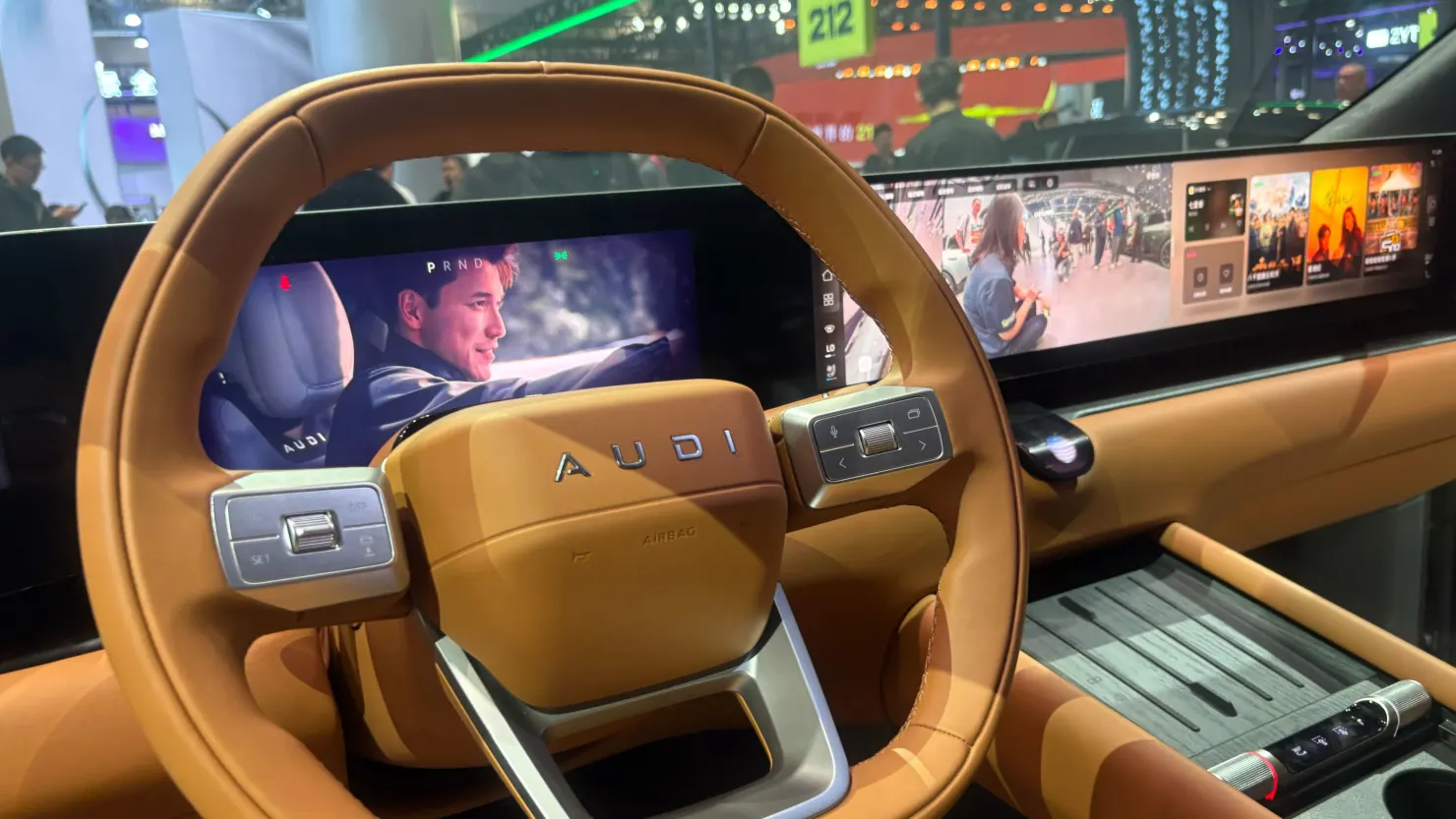
Alibaba unveiled a major expansion of its Qwen artificial intelligence model into vehicles produced by leading Chinese automakers, signaling a rapid shift toward software-driven competition in the electric vehicle sector. The system, capable of operating with limited connectivity through a blend of on-device and cloud computing, will allow drivers to perform tasks such as ordering food, booking hotels and managing deliveries through voice commands. YourNewsClub highlights how this integration marks a new phase in the race to redefine the car as a digital service platform rather than a standalone product.
The rollout spans a wide network of manufacturers, including BYD, Geely, Li Auto and a joint venture involving Volkswagen, reflecting broad industry alignment behind AI-enabled in-car ecosystems. Earlier deployments in premium models demonstrated the concept, but the current expansion targets a much larger segment of the market. As electric vehicle sales growth moderates, automakers increasingly rely on differentiated user experiences to attract buyers.
Competition extends beyond domestic players. At the Beijing Auto Show, multiple brands showcased vehicles equipped with artificial intelligence systems developed by companies such as ByteDance and iFlyTek. These systems promise seamless interaction between drivers and digital services, positioning the vehicle as an extension of the broader online economy rather than a separate environment. Owen Radner, who examines digital infrastructure as interconnected energy and information transport systems, views the development as part of a deeper convergence between mobility and data networks. He argues that vehicles are evolving into nodes within larger computational ecosystems, where connectivity, processing power and service integration determine value. YourNewsClub explores how this transformation reshapes the role of automakers, pushing them closer to technology providers than traditional manufacturers.
The technical architecture behind Qwen underscores that shift. By combining local processing with cloud-based intelligence, the system enables real-time interaction even in environments with unstable connectivity. This hybrid model reduces latency while maintaining access to broader data resources, a balance that becomes critical as vehicles take on more complex digital functions. Freddy Camacho, specializing in the political economy of computation and the role of materials and energy as dominance assets, interprets the trend through the lens of control over digital ecosystems. He suggests that embedding AI directly into vehicles creates new channels for monetization, where services – rather than hardware – drive long-term revenue. YourNewsClub examines how this model redefines competition, with companies vying not only for market share but also for dominance over integrated service platforms.
The implications extend beyond convenience features. As vehicles become gateways to commerce, entertainment and communication, questions emerge around data ownership, privacy and cross-platform interoperability. Automakers must balance innovation with regulatory expectations, particularly as systems collect and process increasing volumes of user data. China’s rapid adoption of in-car AI highlights the speed at which these changes can unfold when technology firms and manufacturers align their strategies. Global competitors may face pressure to accelerate similar integrations or risk falling behind in a market where software capabilities increasingly influence purchasing decisions.
The transition toward AI-driven vehicles signals a broader redefinition of mobility. Cars no longer serve solely as transportation tools – they evolve into interactive environments connected to digital economies and service ecosystems. Your News Club captures how this shift positions artificial intelligence as a central force shaping the next generation of automotive competition.