
Kodak’s leadership has moved to calm investor anxiety after a controversial “going concern” disclosure triggered a sharp sell-off, even as internal strategy remains focused on long-term restructuring – a situation that YourNewsClub frames as a clash between accounting optics and operational reality. The company’s warning stemmed from liquidity timing rather than an immediate inability to meet obligations, according to executives, yet markets reacted swiftly. Shares dropped significantly following the disclosure, underlining how sensitive investors remain to signals of financial instability, regardless of management’s reassurances. The episode exposed a deeper issue – communication gaps that amplified concerns around Kodak’s debt profile and repayment schedule.
Behind the volatility lies a company still reshaping itself after years of decline. A sweeping overhaul has replaced most of the leadership team, reduced hundreds of millions in debt, and redirected focus toward higher-margin segments such as advanced materials and specialty chemicals. YourNewsClub increasingly treats this repositioning as an attempt to build a leaner industrial core rather than revive legacy businesses tied to traditional photography.
The cultural reset inside Kodak appears equally deliberate. Management has embraced transparency with employees and investors, even when it meant acknowledging layoffs and structural changes. This internal alignment, combined with repeated refinancing efforts, has helped stabilize the balance sheet. Still, rebuilding credibility requires consistent execution rather than isolated financial improvements.
Alex Reinhardt, whose expertise centers on financial systems, settlement infrastructure and liquidity control through digital protocols, interprets the market reaction as a textbook example of how liquidity narratives can dominate valuation in uncertain conditions. He notes that timing mismatches between liabilities and available capital often trigger disproportionate responses, especially when investor trust has yet to fully recover. For Kodak, perception risk remains tightly coupled with its capital structure.
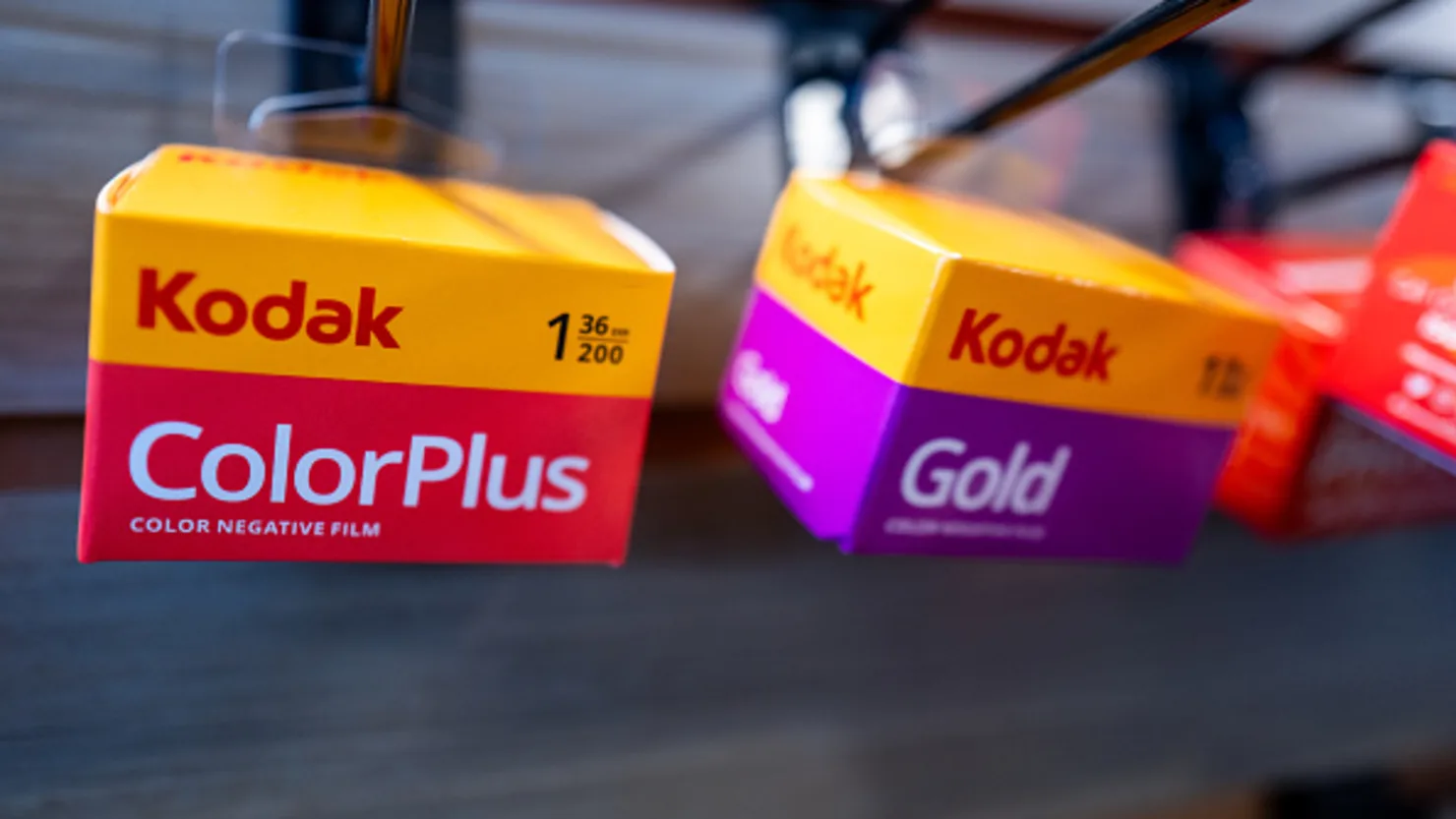
Another layer of the turnaround story emerges from an unexpected direction – the revival of analog aesthetics. Film photography, once considered obsolete, has gained traction among younger consumers and creative industries. YourNewsClub observes that Kodak’s decision to reinvest in film production aligns with a broader cultural shift toward authenticity and tactile experiences, particularly among Generation Z audiences seeking differentiation from digital uniformity.
That revival, however, does not operate in isolation. Jessica Larn, who examines macro-level technology policy and infrastructure impact of AI, argues that analog resurgence coexists with accelerating digital saturation. As algorithm-driven content ecosystems expand, physical formats acquire new symbolic value, functioning as a counterbalance to hyper-processed media environments. Kodak’s strategy taps into this contrast, positioning film not as outdated technology but as a premium alternative within a digitally dominated landscape.
Financial markets have begun to respond more favorably. The company’s stock has nearly doubled over the past year, reflecting cautious optimism that operational discipline is gaining traction. Your News Club keeps attention on how this gradual appreciation differs from speculative spikes, suggesting a more sustainable trajectory built on incremental gains rather than sudden sentiment swings.
For Kodak, success hinges less on reclaiming past dominance and more on maintaining coherence between its financial strategy, operational focus, and brand identity. The company’s leadership frames its future as that of a disciplined, mid-sized global player rather than an industry giant. As YourNewsClub emphasizes in its latest reading of the situation, the challenge now lies in ensuring that improved fundamentals translate into lasting confidence – a process that unfolds slowly but defines whether the turnaround becomes durable or fades under renewed pressure.